
What factors influence the amount a business can save with commercial solar panels?
When considering the installation of commercial solar panels, understanding the factors that influence potential savings is crucial. Several elements come into play, including the size and efficiency of the solar panel system, geographical location, and the nature of the business’s energy usage. By evaluating these factors, businesses can make informed decisions about the financial benefits of transitioning to solar energy.
The initial cost of installation and available incentives or subsidies also play a significant role in determining savings. Additionally, the amount of sunlight the location receives and the local electricity rates can greatly impact the return on investment. By thoroughly assessing these variables, businesses can maximise their savings and contribute to sustainable energy practices.
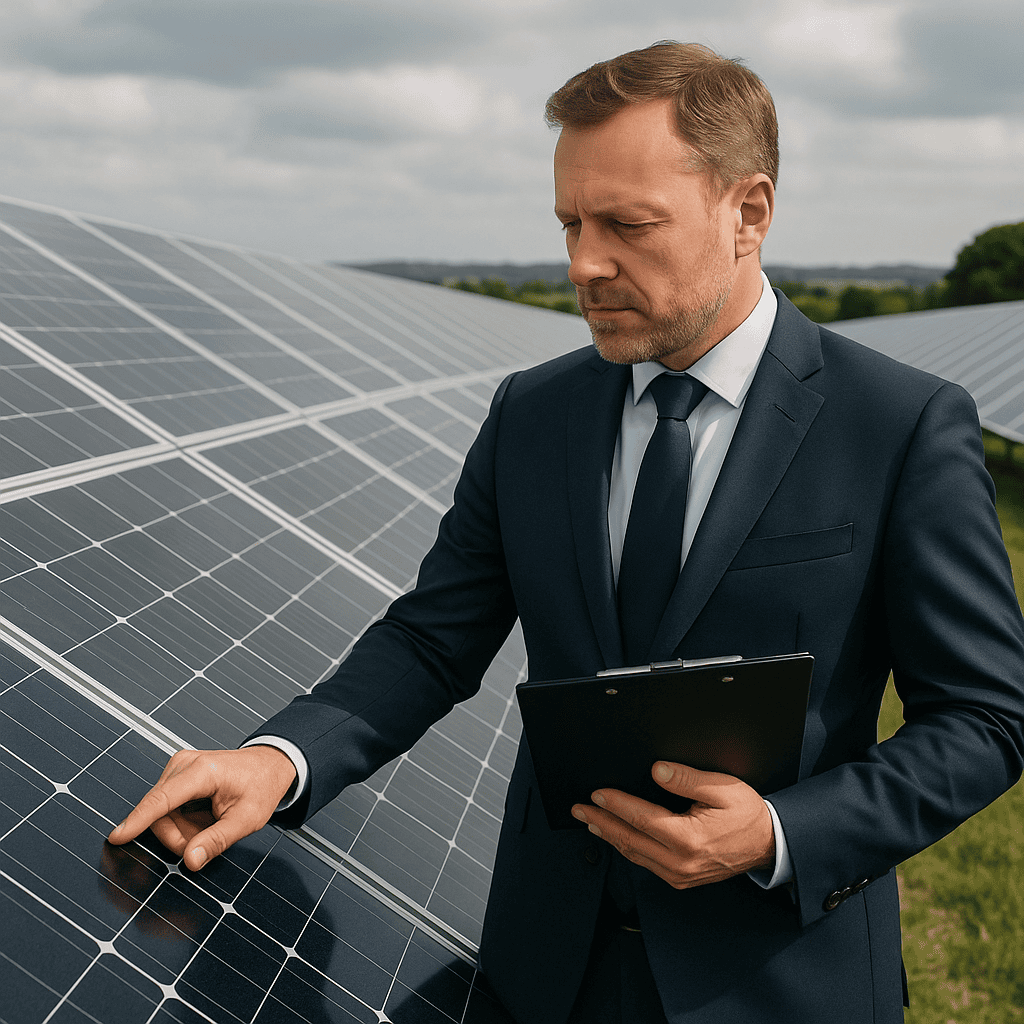
Firstly, the size and efficiency of the solar panel system are primary determinants of potential savings. Larger systems with high-efficiency panels can generate more electricity, thereby reducing reliance on the grid and lowering energy bills. It’s essential to align the system’s capacity with the business’s energy consumption patterns to achieve optimal savings.
Secondly, geographical location significantly affects solar savings. Areas with higher solar irradiance will naturally offer more energy production and thus greater savings. Additionally, local climate conditions and seasonal variations should be considered when estimating the energy output and financial benefits of solar panels.
Lastly, government incentives and subsidies can dramatically influence the savings a business can achieve. Programmes such as feed-in tariffs, tax credits, and grants can offset installation costs and improve the financial viability of solar investments. By staying informed about these opportunities, businesses can enhance their savings and support environmental sustainability.