
What is commercial solar energy and how does it work?
Commercial solar energy refers to the use of solar power systems to generate electricity for business or industrial purposes. This form of energy harnesses sunlight through photovoltaic (PV) panels or solar thermal systems, converting it into usable electricity to power commercial operations. By tapping into this renewable resource, businesses can significantly reduce their reliance on traditional energy sources.
The process begins with solar panels capturing sunlight, which is then converted into direct current (DC) electricity. This DC electricity is subsequently transformed into alternating current (AC) electricity by an inverter, making it suitable for use in commercial buildings. This clean energy solution not only helps in reducing energy costs but also contributes to a sustainable future by lowering carbon footprints.
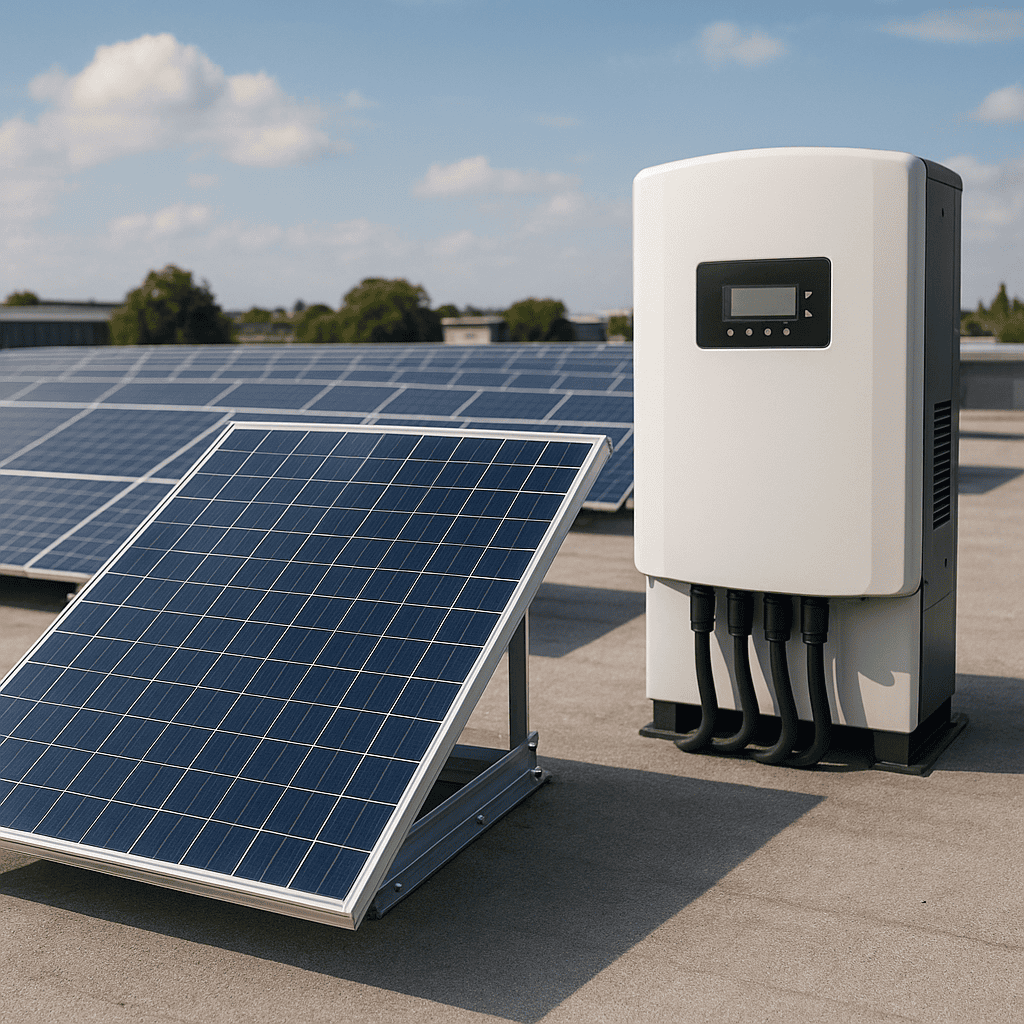
The fundamental component of any commercial solar energy system is the photovoltaic panel, which is made up of numerous solar cells. These cells are typically composed of silicon and are responsible for absorbing sunlight and converting it into electrical energy. The efficiency of this conversion process can vary based on factors such as the quality of the solar panels and the amount of sunlight received.
Once the sunlight is converted into electricity, it is transported via an inverter, which plays a crucial role in transforming DC electricity into AC electricity. This conversion is necessary because most commercial appliances and systems operate on AC electricity. The inverter also ensures that the electricity generated is compatible with the building’s electrical system, allowing seamless integration into the existing power infrastructure.
Beyond the immediate supply of electricity, commercial solar energy systems often include monitoring systems that track energy production and consumption. This data is invaluable for businesses aiming to optimise their energy usage and efficiency. By understanding their energy patterns, businesses can make informed decisions about how to best utilise their solar investment, ensuring maximum return while contributing positively to environmental goals.