Getting Started with Commercial Solar Solutions
To begin exploring commercial solar solutions, it’s essential to understand your energy needs and usage patterns. Start by reviewing your current energy bills to identify peak usage times and overall consumption. This data will help you determine the size and capacity of the solar system that would best suit your business. Next, consider the available roof space or land for installation, as this will impact the system’s efficiency and output.
Once you have a clear understanding of your requirements, the next step is to schedule a free site assessment with a qualified solar provider. They will evaluate your property, discuss potential designs, and provide tailored recommendations based on your unique circumstances. This initial consultation is crucial for ensuring that your investment in solar energy aligns with your financial goals and sustainability objectives. Continue reading to discover key terms and definitions that will further enhance your understanding of commercial solar.
Unlocking the Advantages of a Commercial Solar Glossary
A commercial solar glossary offers more than just definitions; it empowers businesses with knowledge, fostering informed decisions and strategic growth in the solar industry.
Enhanced Decision-Making
Understanding key terms helps businesses make informed choices about solar investments and technology adoption.
Improved Communication
Clear terminology enhances communication between stakeholders, ensuring everyone is aligned and reducing misunderstandings.
Boosted Operational Efficiency
Familiarity with solar terms streamlines operations, helping teams work more efficiently and effectively manage projects.
Increased Competitive Edge
Knowledge of industry jargon positions businesses as knowledgeable leaders, giving them an edge in competitive markets.
Strategic Financial Planning
Grasping financial terms related to solar projects aids in better budgeting and investment strategies.
Navigating the Commercial Solar Installation Process
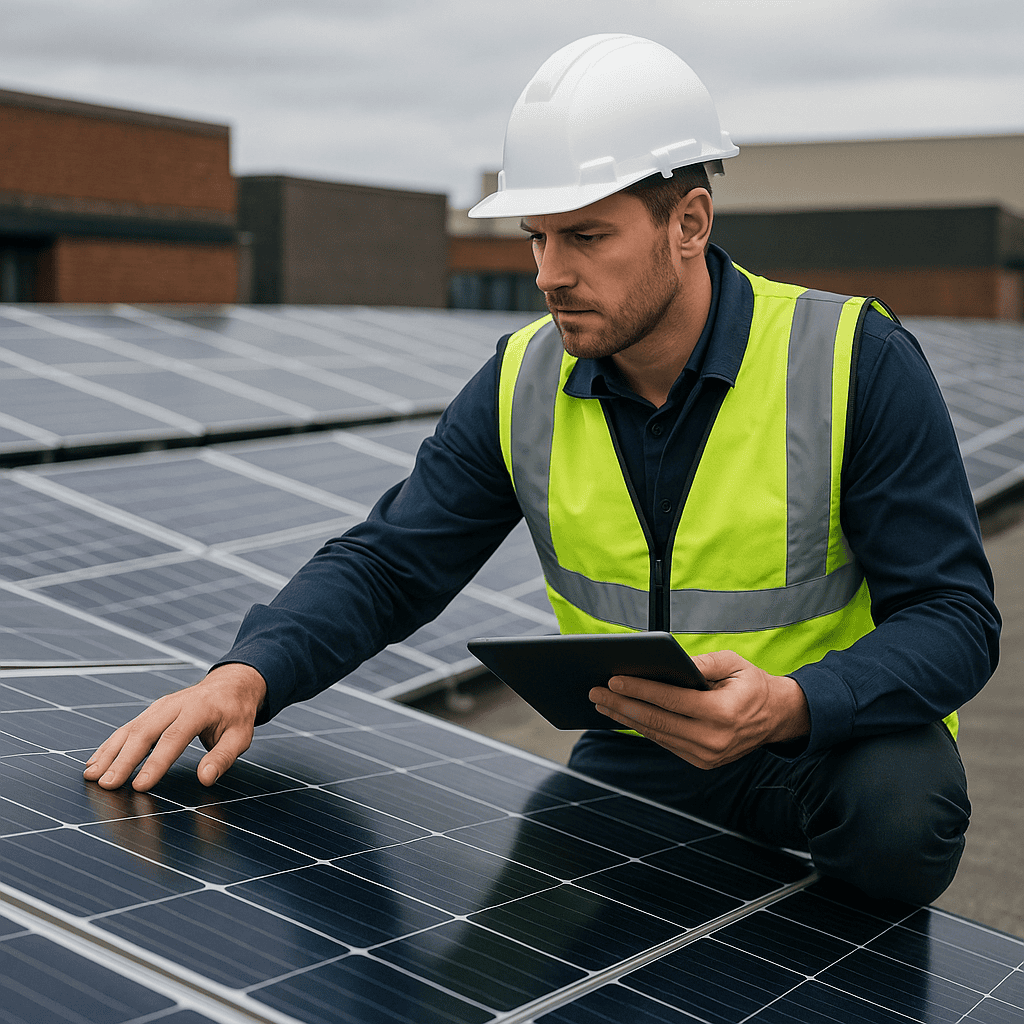
Embarking on a commercial solar project involves several crucial steps beginning with a thorough site assessment. This initial phase includes evaluating the property’s solar potential, assessing structural capabilities, and understanding the site’s energy consumption patterns. Gathering this data ensures that the solar system is tailored to meet specific energy goals efficiently.
Following the site assessment, the design and permitting phase commences. Here, engineers create a detailed system design that aligns with both the site’s needs and local regulations. This involves selecting appropriate solar panels, inverters, and mounting systems while ensuring compliance with zoning and safety standards. Securing necessary permits is a key aspect during this stage.
The final step involves installation and commissioning. Experienced technicians install the solar panels and equipment, connecting them to the existing electrical system. Once installed, the system undergoes rigorous testing to confirm operational efficiency before it begins generating clean energy for the business.
Solar Vocabulary
Did you know? “Photovoltaic” comes from “photo,” meaning light, and “voltaic,” meaning electric, named after Alessandro Volta.
Top 5 Questions About Commercial Solar Systems
What is commercial solar energy and how does it work?
Commercial solar energy harnesses sunlight using photovoltaic panels to generate electricity for businesses. The system converts solar radiation into usable power, reducing reliance on grid energy, lowering operational costs, and minimising environmental impact through sustainable energy practices.
What are the benefits of installing commercial solar panels?
Installing commercial solar panels can significantly reduce energy costs, enhance sustainability, and improve corporate image. Additionally, they provide long-term financial savings through reduced reliance on grid electricity and potential government incentives, contributing to a more resilient energy strategy.
How do I choose the right commercial solar system for my business?
Consider your energy needs, available roof space, and budget. Evaluate different system types, such as grid-tied or off-grid, and consult with a solar expert to assess potential savings and incentives tailored to your business's specific requirements.
What are common terms associated with commercial solar installations?
Common terms include photovoltaic (PV), which refers to solar panels converting sunlight into electricity; inverter, the device that converts DC to AC power; and feed-in tariff, a payment scheme for energy exported to the grid.
How does the return on investment (ROI) for commercial solar compare to other energy sources?
The ROI for commercial solar is often higher than traditional energy sources due to lower operational costs and government incentives. Over time, solar installations can significantly reduce energy bills, leading to substantial long-term savings compared to fossil fuels.