What glossary terms are essential for understanding solar energy investments?
Understanding the terminology associated with solar energy investments is crucial for anyone considering this renewable energy source. With the right knowledge, you can make informed decisions and maximise your investment’s potential. This glossary aims to demystify the essential terms, helping you gain a clearer understanding of the technology and financial implications involved in solar energy.
By familiarising yourself with these key terms, you can navigate the complexities of solar energy investments more confidently. Whether you’re a homeowner, a business owner, or an investor, comprehending these concepts will empower you to evaluate solar options effectively and understand the associated costs and benefits.
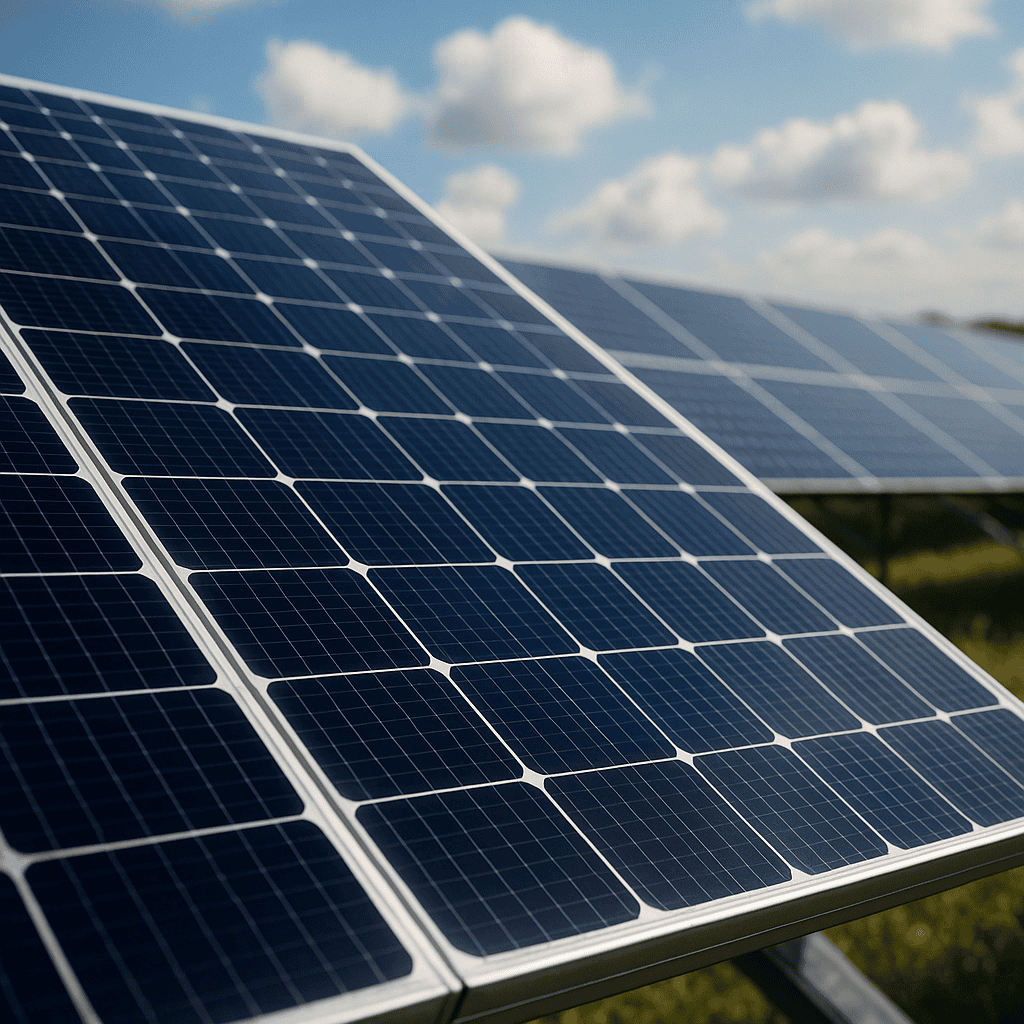
One fundamental term to grasp is ‘Photovoltaic (PV) cells’, which are the building blocks of solar panels. These cells convert sunlight into electricity through the photovoltaic effect, providing a clean and sustainable energy source. Understanding how PV cells work can help you assess the efficiency and potential output of different solar panels.
Another critical concept is ‘Feed-in Tariff (FiT)’, a policy mechanism designed to promote renewable energy investments. It involves a long-term contract that pays solar energy producers a fixed price for the electricity they generate. Familiarity with FiT can aid in evaluating the financial returns from your solar energy system.
Lastly, the term ‘Grid Parity’ refers to the point at which solar energy costs the same as or less than electricity from the grid. Achieving grid parity is a significant milestone, indicating that solar energy is economically viable without subsidies. Understanding this concept can help you assess the long-term financial and environmental benefits of investing in solar energy.