
How do installation costs vary between different solar technologies?
When considering solar energy solutions, understanding the variations in installation costs across different solar technologies is crucial. The primary solar technologies available today include photovoltaic (PV) panels, solar thermal systems, and concentrated solar power (CSP). Each of these technologies offers unique advantages and challenges, which are reflected in their installation costs.
The cost differences are influenced by several factors, including the complexity of the technology, the materials used, and the installation process itself. By examining these aspects, you can make an informed decision that aligns with your energy needs and budget. This guide will provide a comprehensive overview of how installation costs can vary among these solar technologies.
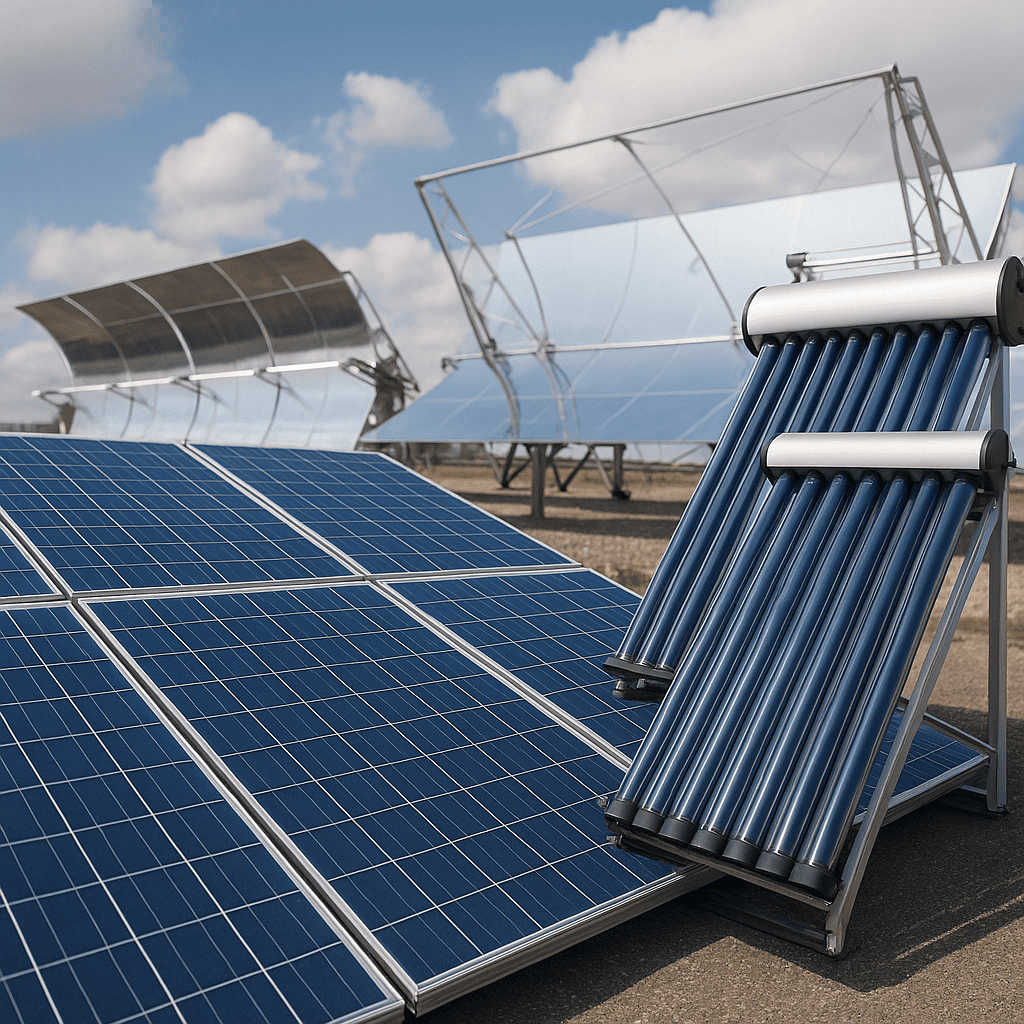
Photovoltaic (PV) panels are the most common type of solar technology, and their installation costs are generally moderate compared to other systems. The expenses are largely dictated by the size of the system and the quality of the panels. PV installations are relatively straightforward, which helps keep labour costs manageable, although high-efficiency panels can drive up overall expenses.
Solar thermal systems, used primarily for heating water, tend to have higher installation costs due to the additional plumbing and equipment required. These systems often involve more complex installation processes, which can lead to increased labour costs. However, they can be a cost-effective solution in the long run, particularly in regions with high demand for hot water.
Concentrated solar power (CSP) systems are typically the most expensive to install. These systems require large-scale infrastructure, such as mirrors or lenses to concentrate sunlight, making them more suitable for utility-scale projects. The intricate nature of CSP technology contributes to its higher installation costs, but it offers significant efficiency benefits for large-scale energy production.