
What are the common reasons why a solar battery is not charging?
Solar batteries are a crucial component of any solar energy system, storing energy for use when the sun is not shining. However, there are times when these batteries may not charge as expected, leading to concerns about their functionality. Understanding the common reasons behind a solar battery not charging can help in addressing the issue promptly and effectively.
There are several factors that can contribute to a solar battery not charging. These include issues with the solar panels themselves, problems with the battery or its connections, and environmental factors such as insufficient sunlight. By identifying the root cause, you can take appropriate steps to restore your solar battery’s performance and ensure the continued efficiency of your solar energy system.
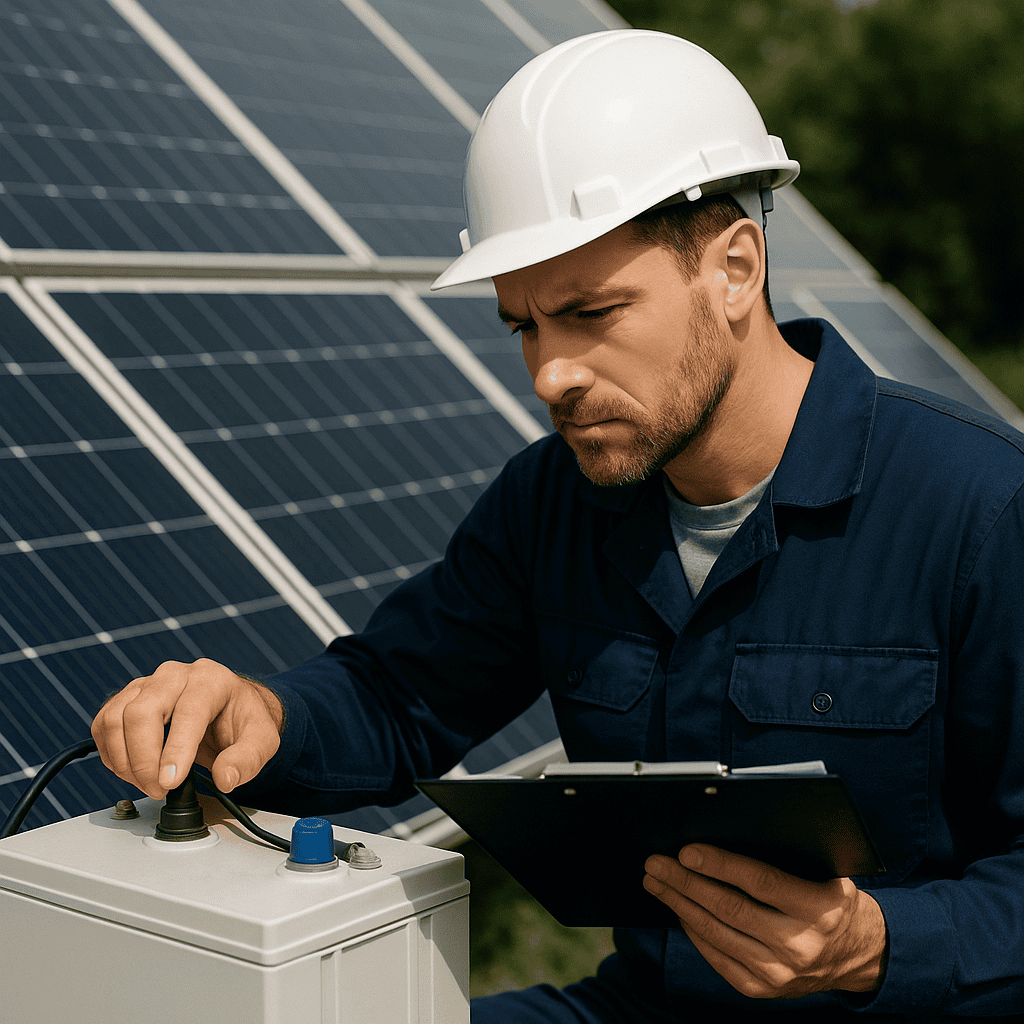
One of the primary reasons why a solar battery may not charge is due to problems with the solar panels. If the panels are dirty or obstructed, they may not generate enough power to charge the battery. Regular cleaning and maintenance of the panels can enhance their efficiency and ensure optimal energy production. Additionally, checking for any physical damage or loose connections in the solar panels can help in resolving charging issues.
Another common issue is related to the battery itself. Over time, batteries can degrade, reducing their capacity to hold a charge. It is essential to monitor the battery’s health and replace it when necessary. Ensuring that the battery is properly connected and that there are no corrosion or loose connections can also improve charging efficiency.
Environmental factors, such as insufficient sunlight, can also impact the charging of solar batteries. During periods of overcast weather or in locations with limited sunlight, the energy produced may not be enough to charge the battery fully. In such cases, considering alternative charging methods or adjusting energy consumption can help in managing the available power effectively.