
What steps should I take if my solar inverter shows a fault code?
Experiencing a fault code on your solar inverter can be concerning, but rest assured, there are systematic steps you can take to address the issue. A solar inverter is a crucial component of your solar energy system, converting the direct current (DC) generated by your solar panels into alternating current (AC) used by your home. Thus, ensuring its optimal function is essential for maintaining your energy supply.
Understanding and resolving these fault codes can not only restore your system’s efficiency but also prevent potential damage. By following a structured approach, you can identify and rectify common issues, ensuring your solar system continues to function smoothly and effectively.
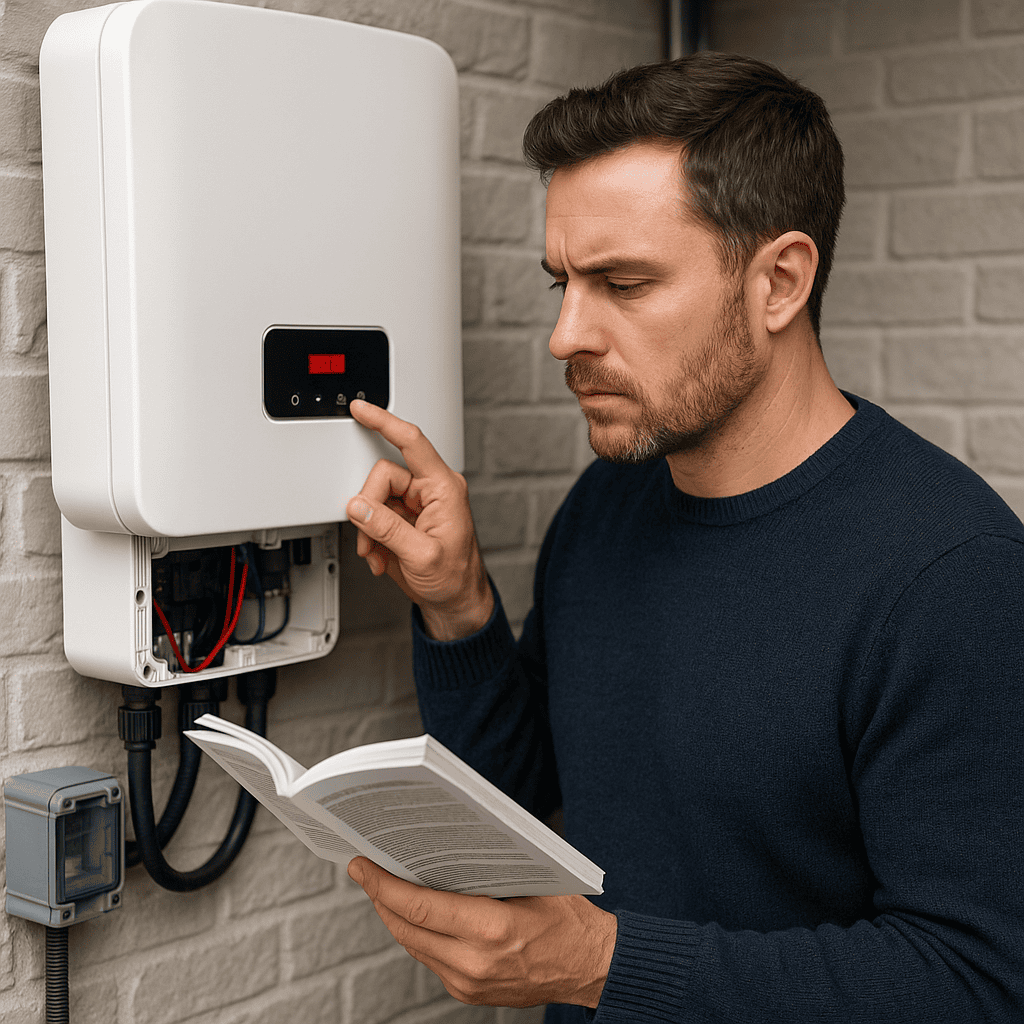
Firstly, consult the inverter’s manual to identify the specific fault code and its meaning. Most inverters come with a manual that details various fault codes and provides initial troubleshooting steps. This is a crucial first step, as it allows you to understand the nature of the problem and determine whether it requires professional intervention or can be resolved independently.
Once you have identified the fault, inspect the inverter and associated components for any visible issues. Check for loose connections, damaged wiring, or any obstructions that may be causing the fault. If you are comfortable doing so, you may reset the inverter by following the manufacturer’s instructions, as this can sometimes resolve minor glitches.
If the fault persists after performing basic checks, it may be necessary to contact a qualified technician. A professional can conduct a more detailed assessment and undertake any complex repairs required. Ensuring your solar inverter operates correctly is vital for the longevity and efficiency of your solar energy system, so do not hesitate to seek expert assistance if needed.