
How can I troubleshoot my solar inverter if it's not functioning properly?
If your solar inverter is not functioning as it should, it can be both frustrating and concerning. An inverter is a critical component of your solar power system, converting the DC electricity generated by your solar panels into AC electricity for use in your home. When issues arise, it’s important to approach troubleshooting methodically to identify and resolve the problem efficiently.
Before delving into complex diagnostics, ensure the basics are covered. Check that the inverter is receiving adequate sunlight, and inspect the connections for any obvious signs of wear or damage. Often, simple causes such as a tripped breaker or blown fuse can be the root of the issue.
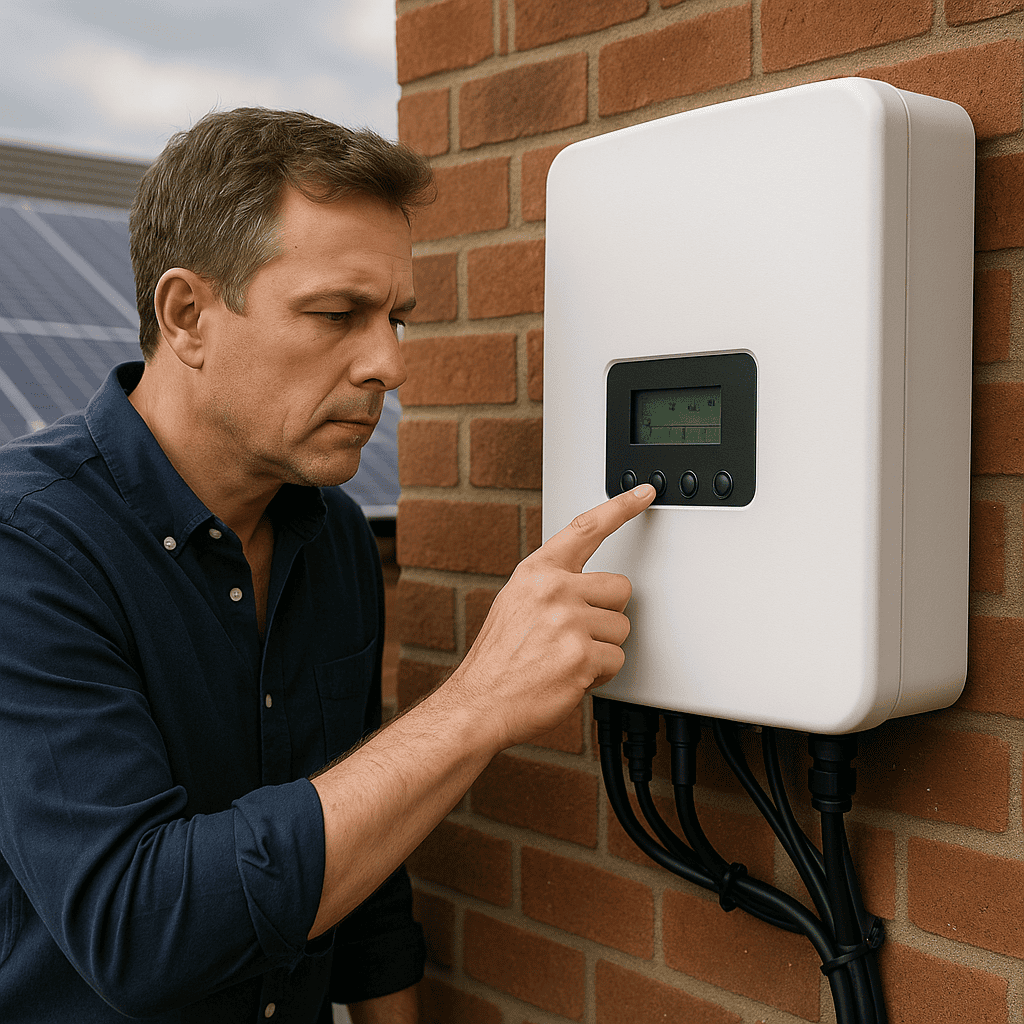
First, examine the display panel on your inverter. Many inverters are equipped with a display that provides error codes or status messages. Refer to your inverter’s manual to interpret these codes, as they can offer valuable insights into the specific problem affecting your system. If the manual is unavailable, many manufacturers provide digital versions online.
Next, inspect the solar panels and wiring for any visible damage or obstructions. Debris, shading, or physical damage can significantly impact the system’s performance. Ensure that all connections are secure and free from corrosion. If you discover any damage, it may be necessary to consult a professional for repairs.
Finally, consider external factors that might affect the inverter’s performance, such as recent weather conditions or grid issues. Power outages or fluctuations in the grid can sometimes cause inverters to shut down as a protective measure. If the problem persists despite your efforts, it may be prudent to contact a qualified technician to perform a more thorough investigation and ensure your system is restored to optimal functionality.