
What are common misconceptions about the environmental costs of solar technology?
Solar technology is often hailed as a cornerstone of sustainable energy, yet misconceptions about its environmental costs persist. Many believe that the production and disposal of solar panels create significant ecological harm. However, when compared to traditional energy sources, solar technology generally offers a more environmentally friendly alternative. It is crucial to differentiate between the myths and the realities to fully appreciate the benefits and challenges associated with solar energy.
While it is true that the manufacturing process of solar panels involves the use of certain chemicals and energy, advances in technology are continually reducing these impacts. When considering the entire lifecycle of solar panels, from production to disposal, the overall environmental footprint remains considerably lower than that of fossil fuels. Understanding these nuances is essential for making informed decisions about energy solutions and adopting practices that genuinely support environmental sustainability.
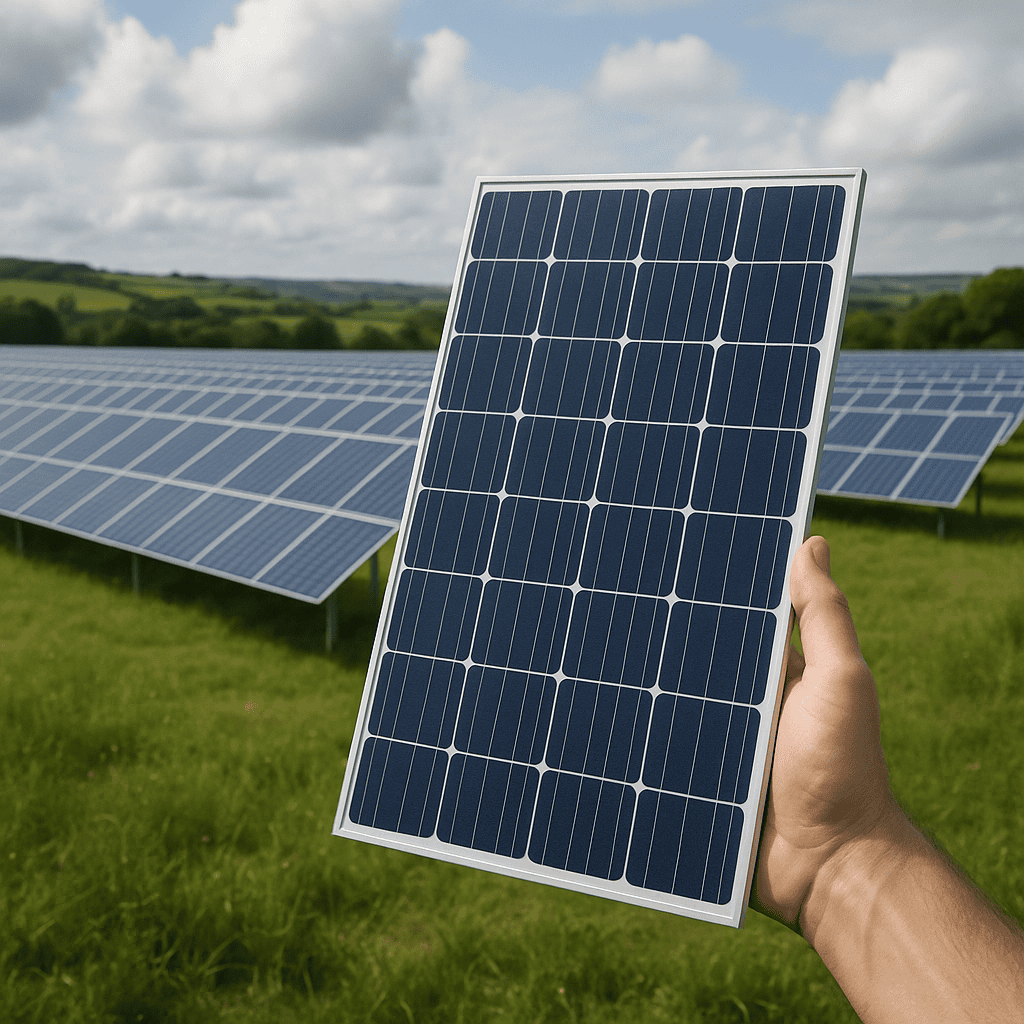
One common misconception is that the energy required to produce solar panels negates their environmental benefits. In reality, the energy payback time—the period it takes for a solar panel to generate the amount of energy used in its production—has significantly decreased over the years. Modern solar panels typically recoup their embodied energy within one to three years, while their operational lifespan can exceed 25 years, offering a net positive energy contribution.
Another myth is that solar panels are non-recyclable and contribute heavily to landfill waste. In fact, solar panels are largely recyclable, and ongoing research is making recycling processes more efficient and cost-effective. Many components, such as glass, aluminium, and certain semiconductor materials, can be recovered and reused, reducing the environmental impact of panel disposal.
Lastly, some argue that the land use for solar farms is detrimental to local ecosystems. However, solar installations can often be integrated into existing land uses, such as agriculture, or sited on degraded lands, thereby minimising ecological disruption. Moreover, the land footprint of solar energy is generally much smaller than that of fossil fuel extraction, making it a more sustainable choice in the long term. Understanding these facts helps dispel myths and underscores the role of solar technology in a sustainable energy future.