
What are the long-term financial savings associated with investing in solar energy?
Investing in solar energy presents a promising avenue for substantial long-term financial savings. By harnessing the power of the sun, individuals and businesses can significantly reduce electricity bills, thus offering a cost-effective solution to traditional energy sources. Over time, the initial investment in solar panels is offset by the reduction in monthly energy expenses, leading to considerable savings.
Moreover, solar energy systems often come with incentives such as tax credits and rebates, further enhancing their financial appeal. These savings are not only beneficial for one’s wallet but also contribute to a more sustainable future by reducing dependency on fossil fuels.
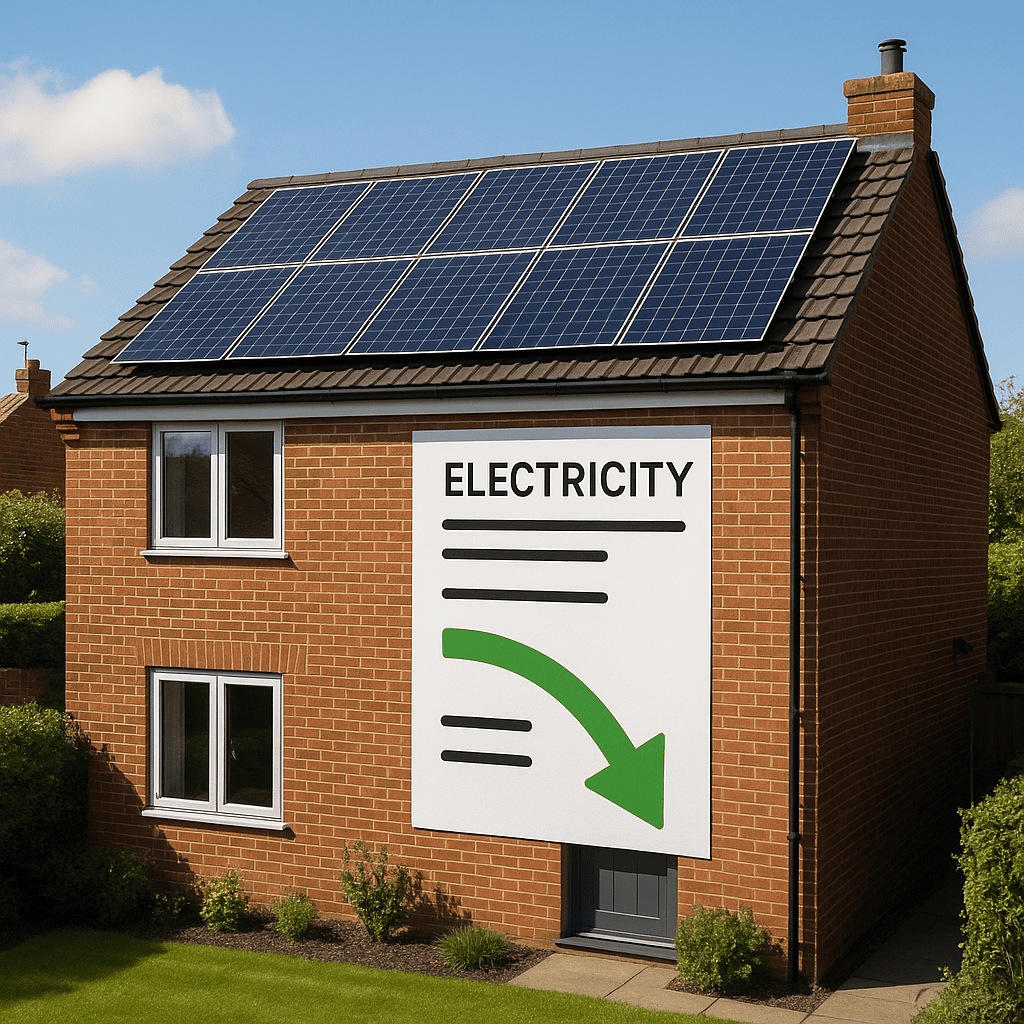
The primary financial benefit of solar energy is the reduction in electricity costs. Once installed, solar panels generate electricity at no additional cost, allowing homeowners and businesses to rely less on energy from the grid. This translates into lower energy bills, with savings increasing as energy prices rise over time.
Additionally, the longevity and low maintenance of solar panels contribute to their cost-effectiveness. Most systems come with warranties ranging from 20 to 25 years, ensuring long-term reliability. This durability means that the initial investment pays off significantly over the lifespan of the system, with minimal maintenance costs.
Furthermore, investing in solar energy can increase property value. Homes equipped with solar installations are often more attractive to buyers, who are willing to pay a premium for energy-efficient properties. This potential increase in property value, combined with energy savings, underscores the long-term financial advantages of solar energy investments.