
How does the noise generated by solar technology compare to other renewable energy sources?
In the quest for sustainable energy solutions, understanding the noise implications of different technologies is essential. Solar technology, renowned for its quiet operation, stands out when compared to other renewable energy sources. While solar panels themselves are silent, ancillary equipment such as inverters may produce low-level noise, yet it remains negligible in most settings.
By contrast, other renewable energy sources such as wind turbines and hydroelectric plants tend to generate more noticeable noise. Wind turbines, for instance, produce mechanical and aerodynamic sounds, while hydroelectric facilities can emit noise from water flow and machinery. Overall, solar technology offers a quieter alternative, making it an appealing choice for urban and residential areas.
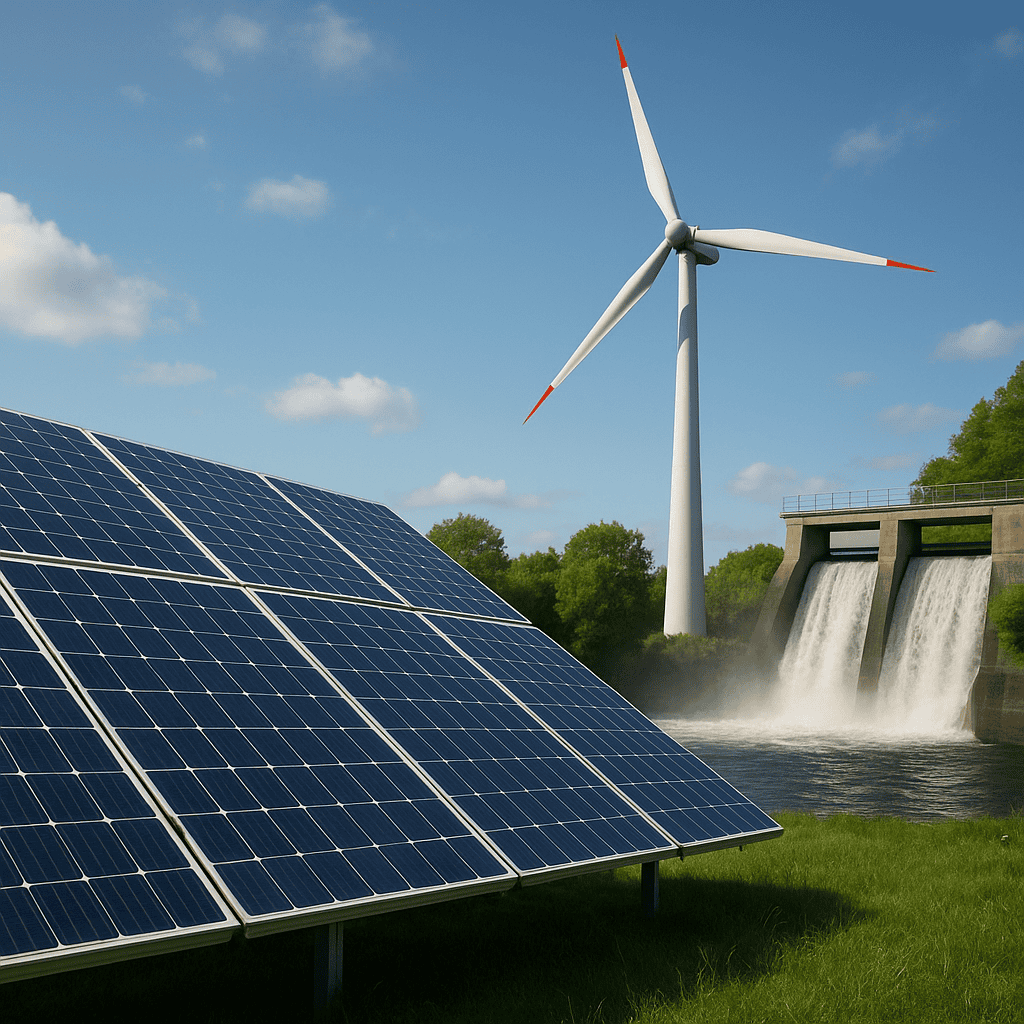
Solar technology’s noise profile is minimal, primarily because the photovoltaic panels themselves are silent. The only potential for noise comes from inverters, which convert direct current (DC) to alternating current (AC). Even then, the sound produced is often comparable to a refrigerator hum and is generally inaudible from a distance.
In contrast, wind energy is known for its characteristic noise, which can be a concern for nearby residents. The sound comes from both the mechanical components and the blades cutting through the air. These noises can vary depending on wind speed and turbine design, but they are typically more prominent than those associated with solar technology.
Hydroelectric power, another renewable source, can also generate significant noise levels. The sound of water rushing through turbines and the mechanical operation of the plant contribute to its auditory impact. While effective in energy production, these noise levels can be a consideration for the surrounding environment. In summary, solar technology remains one of the quietest renewable energy options available.