
How do solar farms affect wildlife habitats and ecosystems?
Solar farms, while a crucial component of the transition to renewable energy, have a nuanced relationship with wildlife habitats and ecosystems. Their installation can lead to habitat disruption, but with careful planning and management, they can coexist beneficially with local biodiversity. The impact on wildlife largely depends on the location and design of the solar farm.
The potential for positive outcomes exists, such as creating new habitats or enhancing existing ones by integrating native vegetation. This dual approach allows solar farms to contribute to energy needs while minimising ecological disturbances. Understanding these dynamics is essential to ensure that solar technology and biodiversity can thrive together.
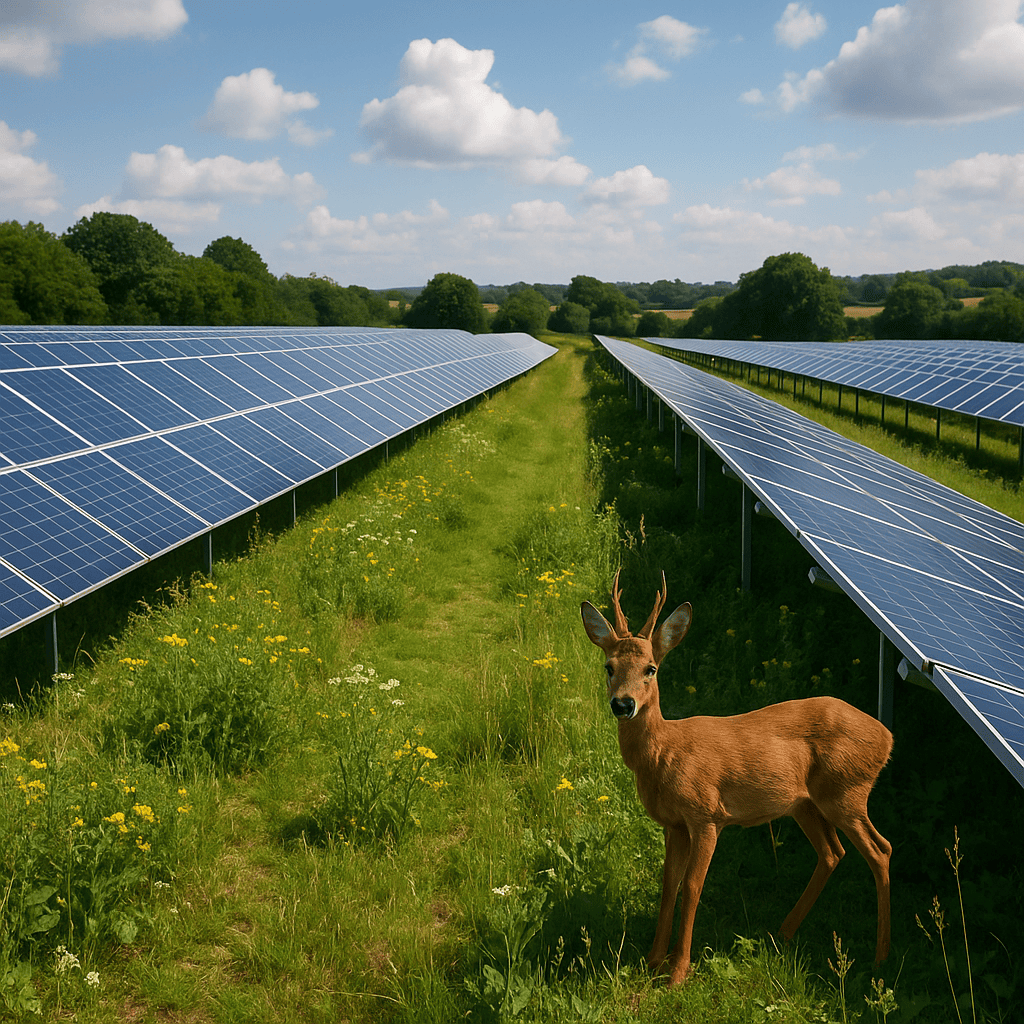
Solar farms can influence wildlife habitats in several ways. When land is cleared for solar panels, it may lead to habitat loss or fragmentation, affecting species that rely on that particular environment. However, by choosing sites with minimal ecological value, such as brownfields or already disturbed lands, the negative impact can be significantly reduced.
Moreover, solar farms can be designed to support biodiversity. Incorporating features such as wildlife corridors and planting native flora can create new habitats and promote the return of certain species. These measures can help mitigate the initial disruption caused by construction and encourage a diverse range of species to thrive.
Overall, the relationship between solar farms and ecosystems is complex but manageable. Through thoughtful site selection and design, solar farms can play a role in both clean energy production and conservation efforts. By prioritising ecological considerations, it is possible to balance technological advancement with the preservation of biodiversity.