
What is the impact of solar energy on local biodiversity?
The impact of solar energy on local biodiversity is a topic of growing interest and concern. As the world increasingly turns to renewable energy sources, understanding the ecological implications becomes essential. Solar energy, while a cleaner alternative to fossil fuels, can have both positive and negative effects on local ecosystems. On one hand, large solar farms may alter habitats, but on the other, they can also create new opportunities for wildlife.
While the construction of solar facilities can disrupt native plant and animal life, thoughtful planning and management can mitigate these effects. For instance, solar installations can be designed to coexist with local flora and fauna, promoting biodiversity. By considering the location and scale of solar projects, it is possible to minimise their environmental footprint and even enhance local biodiversity.
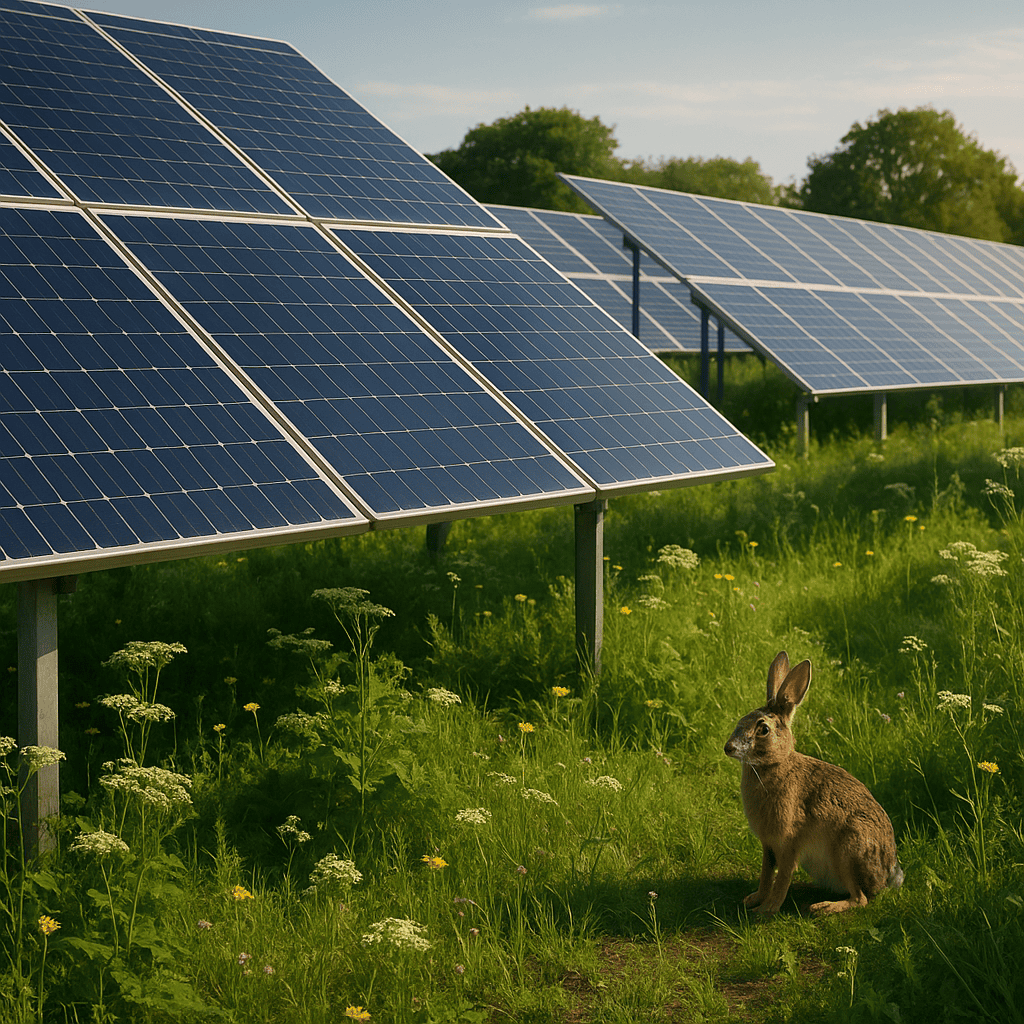
Firstly, the physical footprint of solar panels can lead to habitat loss or fragmentation, which may affect local species. However, this impact can be reduced by choosing sites that have already been disturbed or degraded. Moreover, solar farms can be designed to allow vegetation to grow beneath and around the panels, providing shelter and food for various species. This approach can transform solar sites into thriving habitats, supporting a wide range of organisms.
Secondly, solar energy production does not emit greenhouse gases, which are a major threat to biodiversity due to climate change. By reducing reliance on fossil fuels, solar energy helps mitigate climate change, ultimately benefiting wildlife and ecosystems globally. This shift towards cleaner energy sources is crucial for preserving biodiversity in the face of a changing climate.
Lastly, community involvement and strategic planning play pivotal roles in ensuring solar projects benefit local biodiversity. Engaging with local conservation groups and stakeholders can lead to innovative solutions that balance energy needs with ecological preservation. By integrating biodiversity considerations into the planning process, solar energy can become a positive force for environmental sustainability.