
What types of solar technology are eligible for Ofgem grants?
Exploring solar technology options can be a rewarding journey, especially when considering the financial support available through Ofgem grants. These grants are designed to encourage the adoption of renewable energy solutions, making solar technology more accessible to homeowners and businesses alike. Understanding which types of solar technology are eligible for these grants is crucial for anyone looking to invest in sustainable energy.
Ofgem grants typically cover various solar technologies, primarily focusing on those that contribute significantly to energy efficiency and sustainability. Photovoltaic (PV) solar panels, which convert sunlight directly into electricity, are a common technology eligible for these grants. Additionally, solar thermal systems, which harness solar energy to heat water, may also qualify under specific conditions. The eligibility often depends on meeting certain efficiency standards and installation criteria.
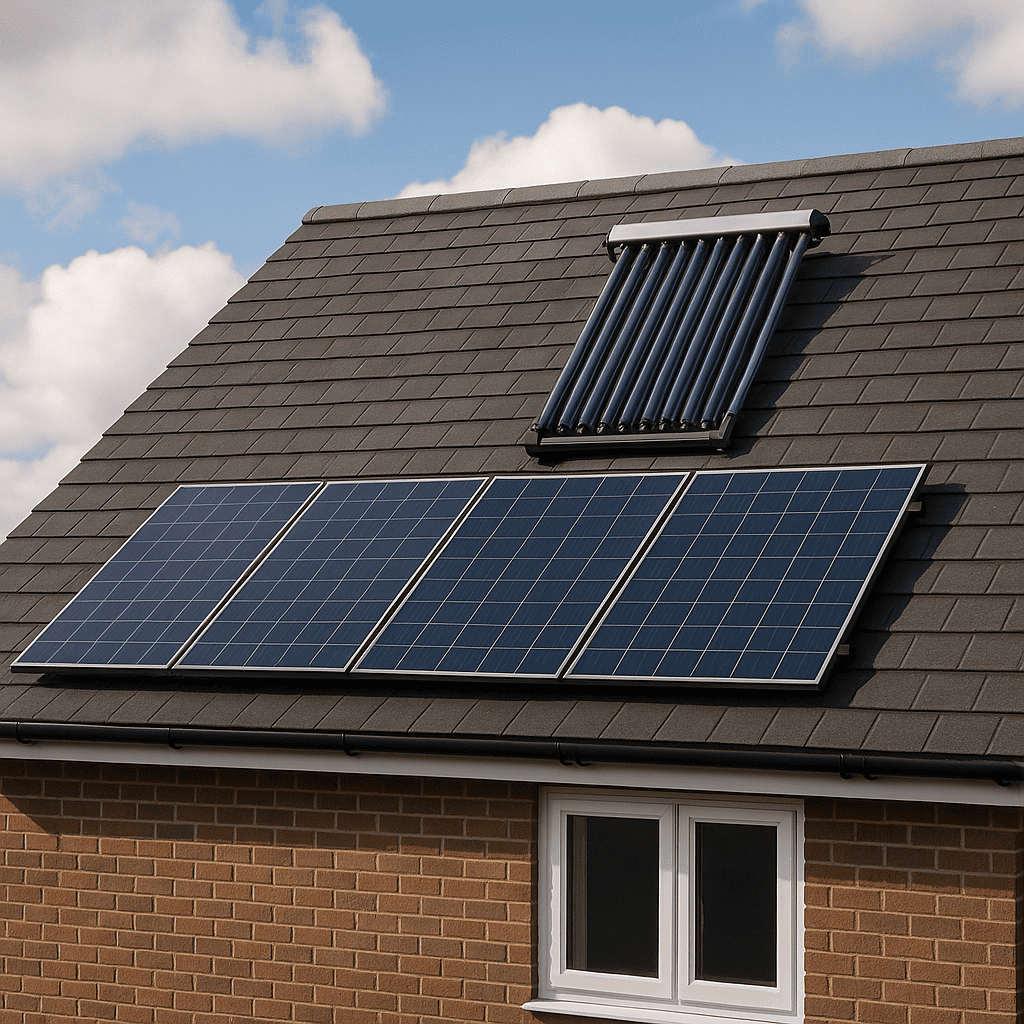
To qualify for Ofgem grants, solar photovoltaic (PV) panels are frequently the most recognised and supported technology. These panels must meet specific performance and efficiency standards to ensure they effectively contribute to reducing carbon emissions and energy costs. The grants aim to support the installation of systems that are both efficient and environmentally beneficial.
Besides PV panels, solar thermal systems can also be eligible for Ofgem grants. These systems, which use solar energy to heat water for domestic or commercial use, must adhere to particular specifications and standards. They are often evaluated based on their ability to integrate seamlessly with existing heating systems and their potential to reduce energy consumption.
When considering eligibility, it is important to ensure that the chosen solar technology and its installation comply with the criteria set out by Ofgem. These criteria are designed to maximise the benefits of solar energy adoption, promoting sustainable practices that align with national energy goals.