
What costs should businesses consider when implementing solar technology for SECR compliance?
Implementing solar technology for SECR compliance involves a variety of costs that businesses must carefully consider. These costs can be broadly categorised into initial investment, ongoing maintenance, and operational expenses. The initial investment typically includes purchasing and installing solar panels, inverters, and other necessary equipment. Additionally, businesses may need to allocate funds for site assessments and feasibility studies to ensure optimal solar technology deployment.
Beyond the initial setup, ongoing maintenance is crucial to ensure the longevity and efficiency of the solar system. Regular inspections, cleaning, and potential repairs can incur additional costs over time. Furthermore, businesses should be aware of any potential changes in energy tariffs or policy adjustments that could affect operational expenses. By understanding and planning for these costs, businesses can make informed decisions that align with their SECR compliance goals.
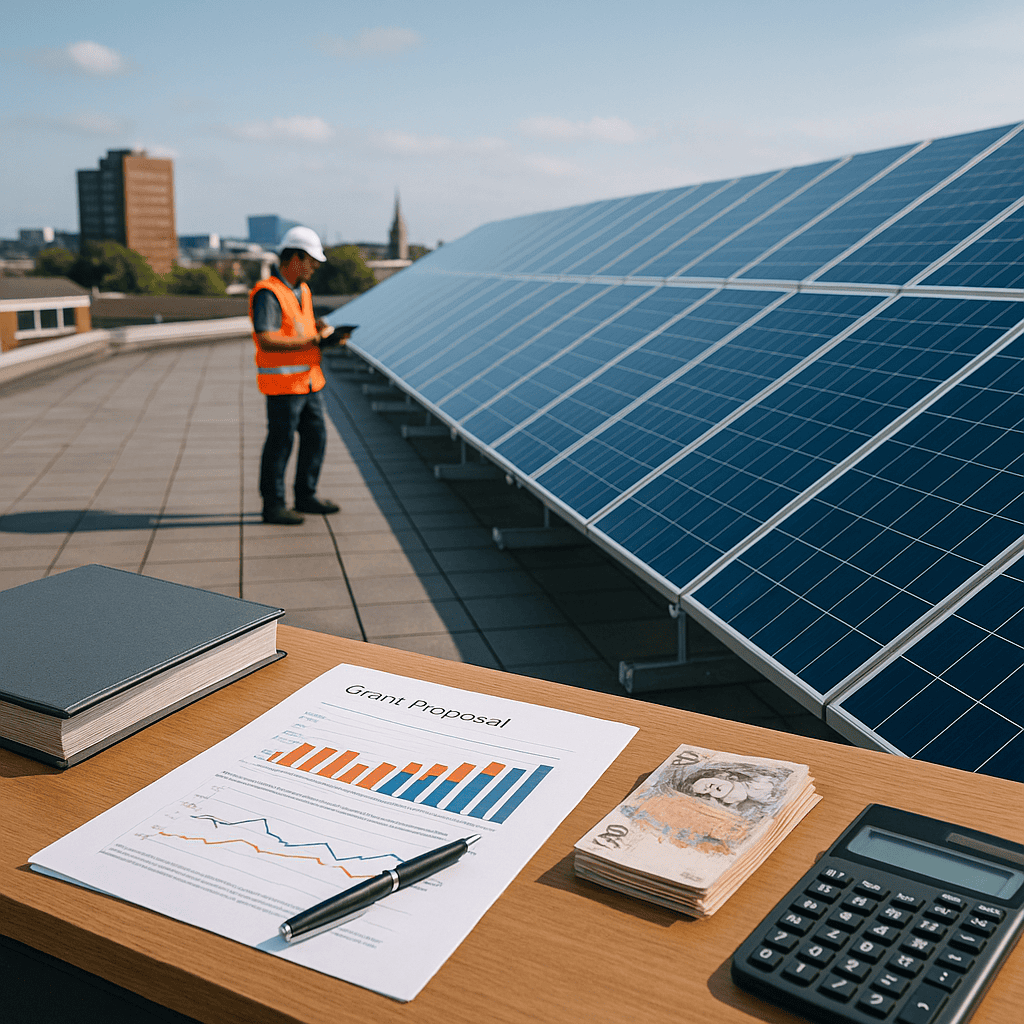
The initial costs of implementing solar technology can be substantial, as they include the purchase of solar panels, inverters, and installation services. Businesses may also need to invest in structural modifications to support the new system. It is advisable to explore available grants and incentives that can offset some of these initial expenses, making the transition to solar technology more financially feasible.
Ongoing maintenance is another critical aspect that businesses must budget for. This includes regular cleaning of solar panels to maintain efficiency, as well as periodic inspections to identify and rectify potential issues. Businesses may choose to enter into maintenance contracts with service providers to ensure their solar systems operate optimally and comply with SECR requirements.
Lastly, businesses should consider the impact of policy changes and energy tariffs on their operational costs. Staying informed about government policies and market trends can help businesses anticipate and manage these variables effectively. By planning for these factors, businesses can better control their long-term expenses while contributing to sustainable energy goals.