
What are the key benefits of solar technology in relation to carbon reporting under SECR?
Solar technology offers several key advantages when it comes to carbon reporting under the Streamlined Energy and Carbon Reporting (SECR) framework. By integrating solar energy solutions, organisations can significantly reduce their carbon footprint, thereby enhancing their sustainability credentials. This clean energy source not only contributes to lowering emissions but also provides a reliable and renewable way to meet energy needs.
Furthermore, utilising solar technology aligns with the growing emphasis on environmental responsibility. Adopting solar energy can demonstrate a commitment to sustainable practices, which is increasingly valued by stakeholders and consumers alike. This proactive approach not only supports compliance with SECR requirements but also fosters a positive public image.
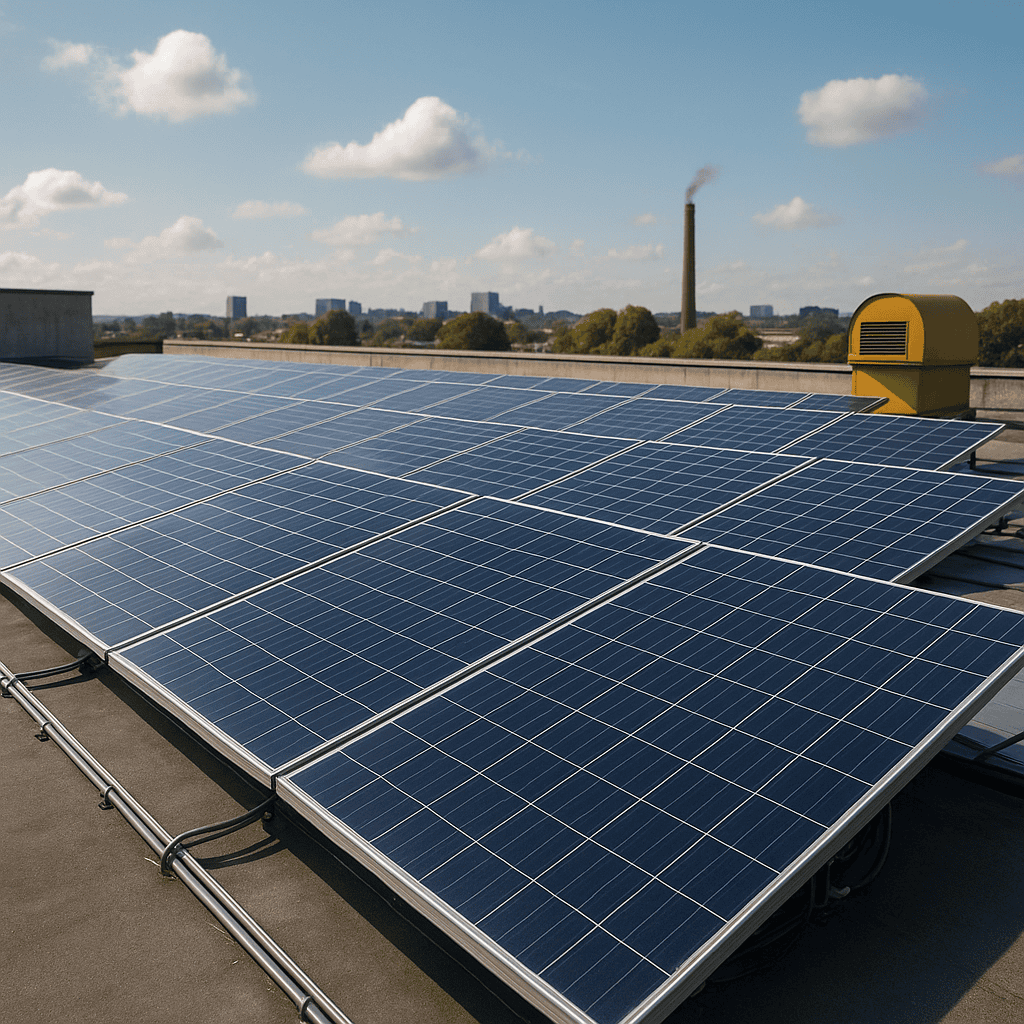
One of the primary benefits of solar technology for SECR is the reduction in greenhouse gas emissions. By generating electricity from solar panels, organisations can decrease their reliance on fossil fuels, which are major contributors to carbon emissions. This reduction is directly reflected in the carbon reporting metrics, showcasing a tangible commitment to environmental stewardship.
Additionally, solar technology can lead to significant cost savings over time. Although the initial investment may be substantial, the long-term reduction in energy costs can be considerable. These savings can be reinvested into further sustainability initiatives, enhancing the overall impact of an organisation’s environmental efforts. Moreover, government grants and incentives can offset initial expenses, making solar energy a financially viable option.
Finally, adopting solar technology supports compliance with governmental policies aimed at reducing carbon emissions. By aligning with these regulations, organisations can avoid potential penalties and benefit from tax incentives. This alignment not only ensures regulatory compliance but also positions organisations as leaders in the transition to a low-carbon economy.
