
What are the eligibility criteria for solar grants in the UK?
Understanding the eligibility criteria for solar grants in the UK is essential for individuals and businesses looking to reduce their carbon footprint and energy costs. Solar grants can provide significant financial assistance, making renewable energy more accessible. The criteria can vary depending on the specific grant or scheme in question, but generally, they aim to support those who can benefit most from the transition to solar energy.
In general, eligibility for solar grants may depend on a variety of factors, including the type of property, its location, and whether any previous grants have been received. By exploring these criteria, you can better assess your potential for funding and take steps towards a more sustainable future.
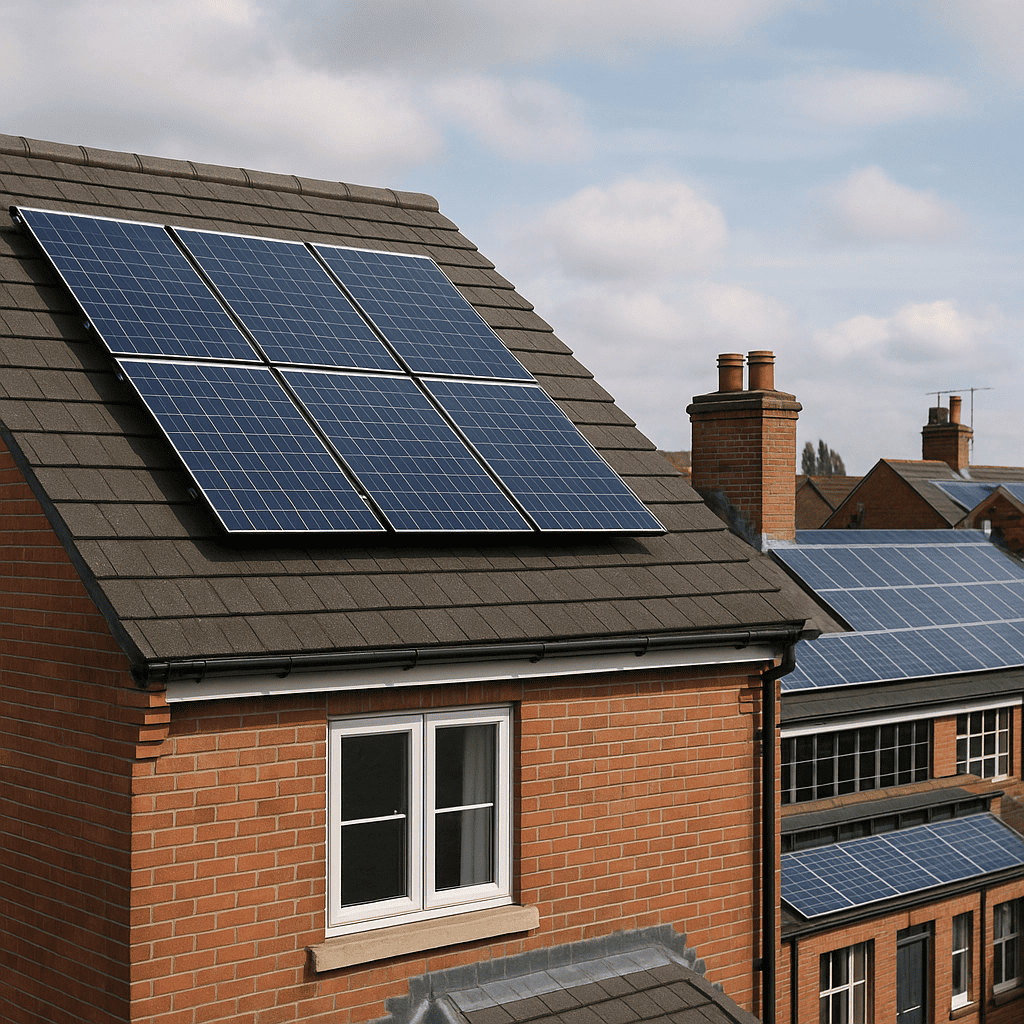
The eligibility for solar grants in the UK often begins with the type of property you own. Residential properties, commercial buildings, and community projects may all qualify, but the specific requirements can vary. For homeowners, grants might be available for both new installations and upgrades to existing solar systems, depending on the current government policies and local regulations.
Another important factor is the location of your property. Certain areas, particularly those identified as having lower socio-economic status or higher levels of fuel poverty, may receive priority in grant allocation. Additionally, properties in regions with specific renewable energy targets might also have access to more generous funding options.
Finally, previous grant receipts can influence eligibility. If you have already received funding for solar installations, you might be subject to restrictions on applying for additional grants. It’s crucial to carefully review the terms and conditions of each grant to ensure compliance and maximise your chances of receiving financial support.