
What are the typical system sizes for solar installations?
When considering solar installations, understanding the typical system sizes is crucial for estimating both the cost and the efficiency of your investment. Solar systems generally range in size based on the energy needs of the property they serve, whether residential or commercial. For residential properties, the system size often depends on factors such as roof space, energy consumption, and budget.
In contrast, commercial solar installations usually require larger systems to meet higher energy demands. These systems are designed to maximise energy efficiency and cost savings, making them an attractive option for businesses aiming to reduce their carbon footprint. By exploring the typical sizes of solar installations, you can make an informed decision tailored to your specific energy needs.
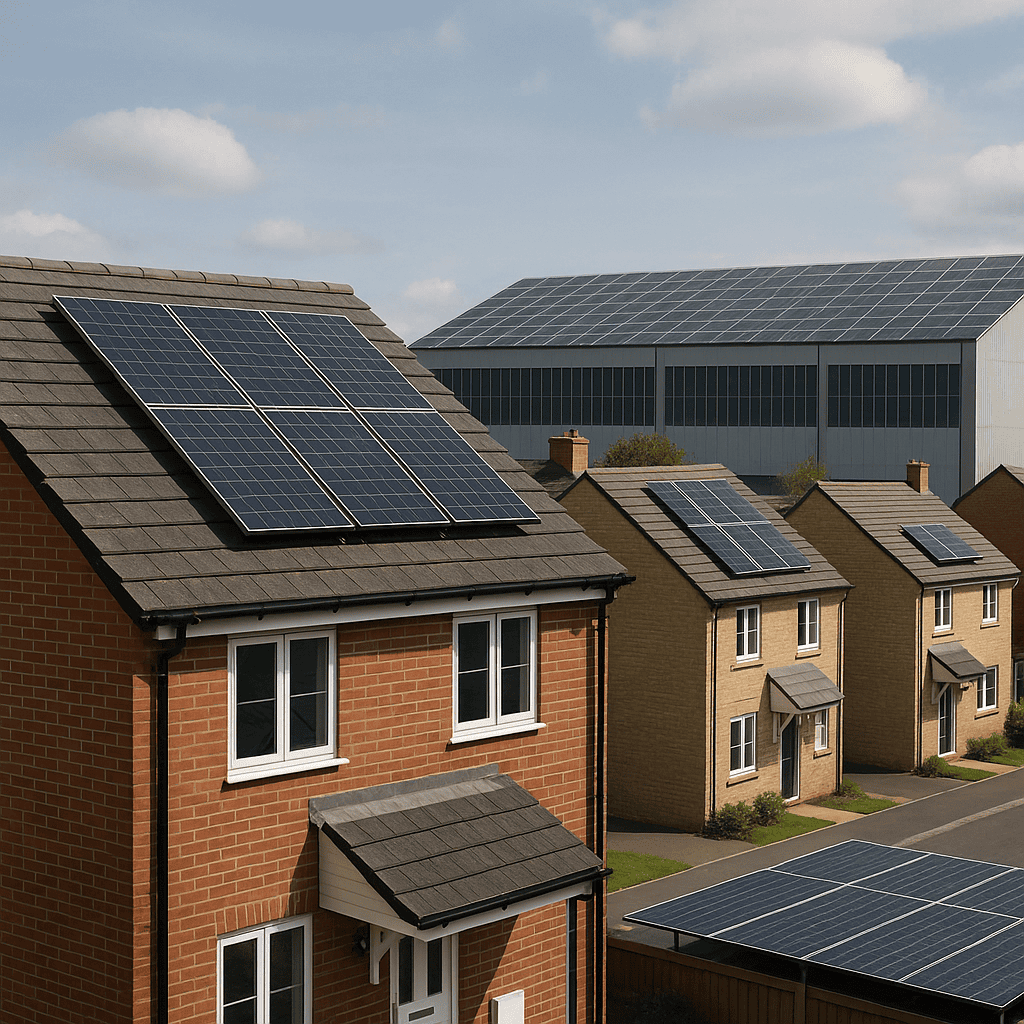
Residential solar systems typically range from 3 kW to 10 kW. A 3 kW system might be suitable for a small household with modest energy usage, while a 10 kW system could accommodate a larger household with higher energy demands. The size of the system will directly influence the number of solar panels required, which in turn affects the installation cost and the potential energy savings over time.
For commercial properties, solar installations often start at around 10 kW and can exceed 100 kW, depending on the scale of the business. Larger systems are capable of supporting extensive energy requirements, making them a feasible option for businesses looking to significantly lower their energy costs. The size of the system should be carefully evaluated against the company’s energy consumption patterns to ensure optimal efficiency.
Ultimately, the decision on the size of a solar installation should be based on a thorough assessment of energy needs, available space, and financial considerations. Engaging with a solar energy expert can provide valuable insights and aid in selecting the most appropriate system size to achieve your energy goals.