
What factors affect solar savings calculations?
Calculating solar savings involves several crucial factors that can significantly impact the potential financial benefits of installing solar panels. Understanding these elements is essential for accurately estimating the savings you might achieve from switching to solar energy. By considering these variables, you can make a more informed decision about whether solar energy is the right choice for your home or business.
The main factors that affect solar savings calculations include the size and efficiency of the solar panel system, the amount of sunlight your location receives, and the cost of electricity in your area. Additionally, government incentives and tax credits play a significant role in determining the overall financial benefits. By analysing these components, you can gain a clearer picture of your potential savings.
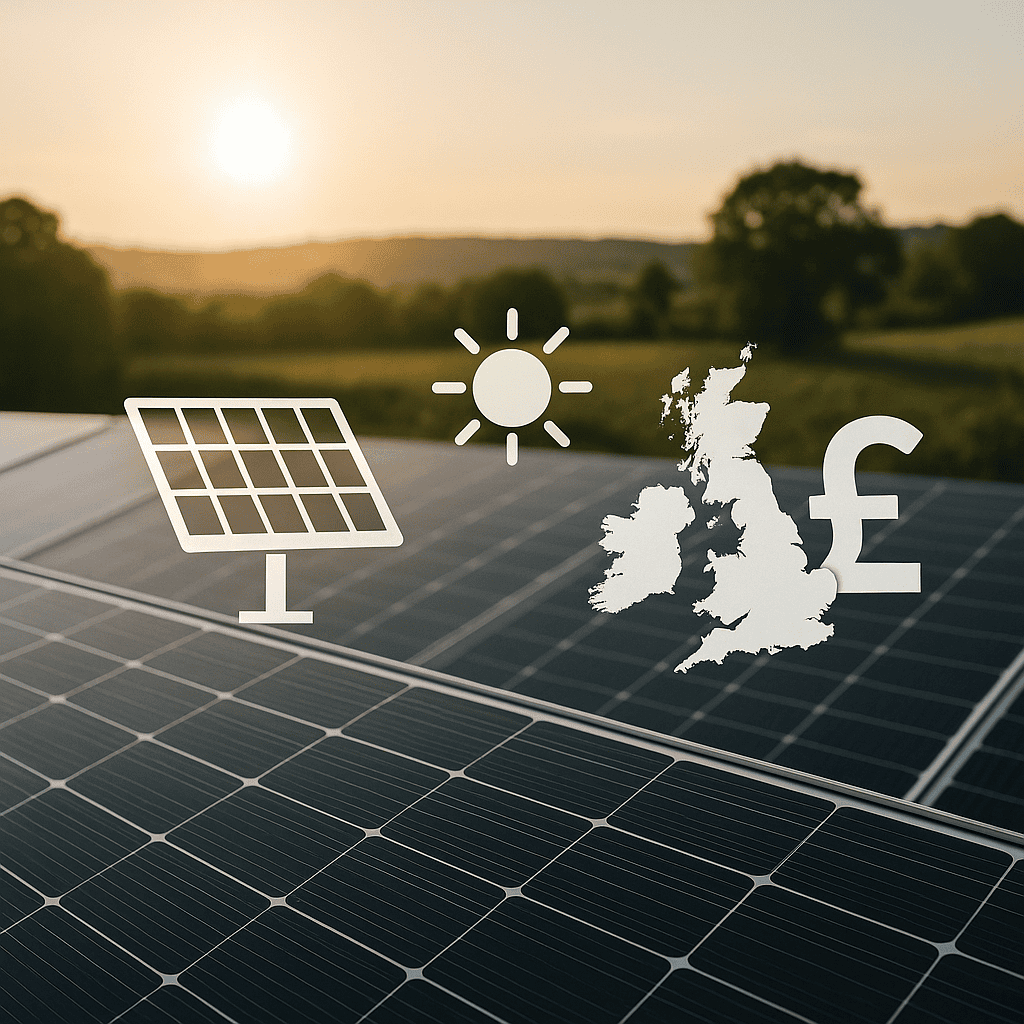
The size of your solar panel system is a primary factor in calculating savings. Larger systems can generate more electricity, which can lead to greater savings on your energy bills. However, the initial cost of installation also increases with system size, so a balance must be found that suits your energy needs and budget.
Another important factor is the amount of sunlight your location receives. Regions with more sunlight naturally produce more solar energy, increasing potential savings. This means that geographical location can significantly influence the effectiveness of a solar panel system, making it a crucial element in your calculations.
Finally, the cost of electricity in your area and available government incentives can greatly affect your solar savings. Higher electricity rates mean greater savings potential, as you offset more of your energy costs. Additionally, government incentives and tax credits can reduce the upfront costs of installation, enhancing the financial appeal of transitioning to solar energy.