
What factors influence the efficiency of integrated PV systems in solar tiles?
Integrated photovoltaic (PV) systems in solar tiles are a cutting-edge solution for harnessing solar energy while maintaining aesthetic appeal. The efficiency of these systems is influenced by several critical factors that determine their overall performance and energy yield. Understanding these factors is essential for homeowners and professionals alike to optimise the benefits of solar technology.
In essence, the efficiency of integrated PV systems hinges on elements such as the quality of photovoltaic materials, the design of the mounting systems, and the orientation of the roof. Each of these components plays a vital role in ensuring that solar tiles convert sunlight into electricity as effectively as possible.
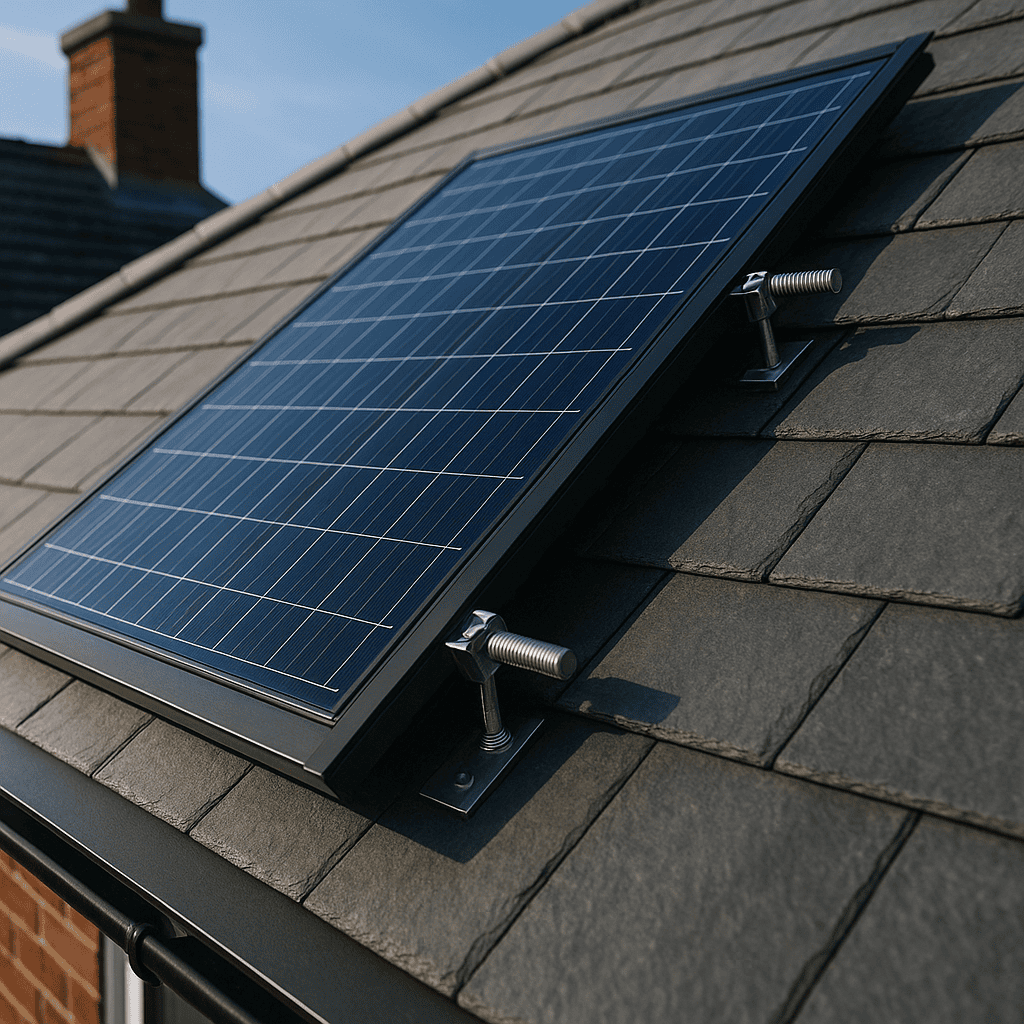
The quality and type of photovoltaic materials used are paramount in determining the efficiency of integrated PV systems. High-quality materials with superior light absorption and minimal energy loss can significantly enhance the system’s performance. Innovations in PV technology continue to advance, improving the capability of solar tiles to convert sunlight into usable energy.
The design and installation of mounting systems also play a crucial role in the efficiency of solar tiles. Properly designed mounting systems ensure optimal positioning and stability, reducing shading and maximising sunlight exposure. This careful consideration during installation can lead to significant improvements in energy generation.
Lastly, the orientation and tilt of the roof on which the solar tiles are installed are critical factors. Ideally, roofs should be angled in such a way that maximises exposure to sunlight throughout the day. In regions of the Northern Hemisphere, a south-facing orientation is typically preferred. Adjustments to these parameters can greatly influence the overall efficiency and energy output of integrated PV systems.