
What are the cost implications of inadequate weatherproofing in solar installations?
Inadequate weatherproofing in solar installations can lead to significant cost implications that extend beyond the initial investment. Poor weatherproofing can expose your solar panels and roofing to moisture, leading to potential damage and inefficiency. Over time, this can result in costly repairs and replacements, negating the financial benefits of your solar system.
Ensuring that your solar installation is properly weatherproofed is crucial to safeguarding your investment. Proper weatherproofing not only protects the structural integrity of your roof but also enhances the longevity and performance of your solar panels. By investing in quality weatherproofing solutions, you can avoid unexpected expenses and maximise the return on your solar energy investment.
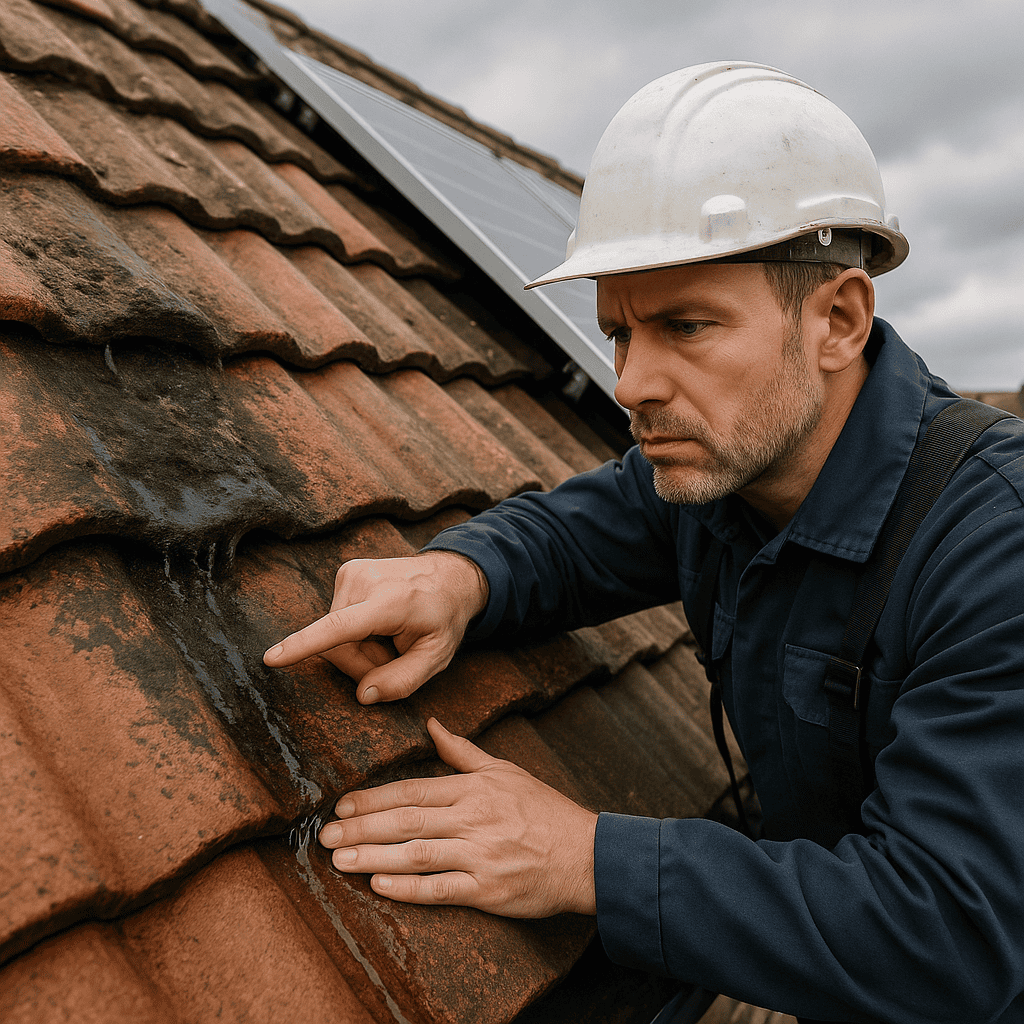
One major cost implication of inadequate weatherproofing is water damage. If water seeps into the roof through poorly sealed areas, it can lead to leaks, mould, and structural damage. Repairing these issues can be expensive and time-consuming, often requiring professional intervention to ensure the roof and solar panels are restored to optimal condition.
Another financial repercussion is the potential loss of energy efficiency. Moisture and debris infiltrating the system can affect the performance of solar panels, reducing their energy output. This inefficiency can lead to higher energy bills, as you may need to rely more on traditional energy sources to meet your power needs, thereby diminishing the cost-saving benefits of solar energy.
Finally, inadequate weatherproofing can shorten the lifespan of your solar installation. The cumulative damage from exposure to the elements can necessitate premature replacement of panels or other components. By investing in appropriate weatherproofing measures, such as quality flashings and seals, you can extend the lifespan of your solar system and avoid the substantial costs associated with early replacements.