
How do time of use tariffs affect the export rates for solar energy back to the grid?
Time of use tariffs can significantly influence the export rates for solar energy back to the grid. These tariffs are designed to reflect the varying cost of electricity throughout the day, encouraging consumers to use energy during off-peak times when it is cheaper. As a result, the timing of when you export solar energy can affect the financial returns you receive.
With these tariffs in place, the export rates you obtain for feeding solar energy back into the grid may vary depending on the time of day. Understanding the relationship between your solar generation and the tariff structure can help you maximise the benefits from your solar energy system.
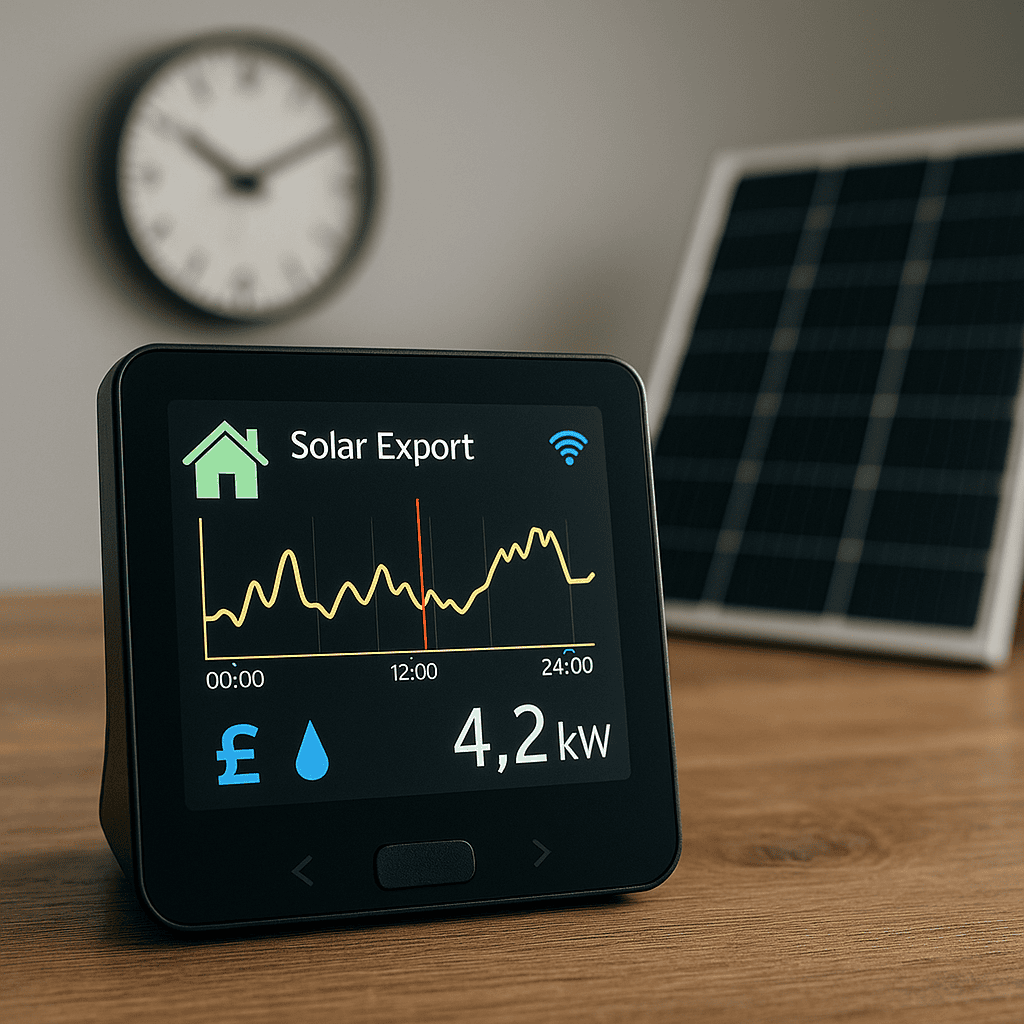
Time of use tariffs are structured to align energy costs with demand, which means that electricity is more expensive during peak hours and cheaper during off-peak periods. Consequently, if you export solar energy during peak demand times, you might receive higher rates compared to off-peak times when the demand and energy prices are lower. This dynamic can create opportunities for solar energy producers to optimise their export strategy by monitoring peak periods.
Additionally, the variability in these tariffs can lead to a more strategic approach to energy use and export. By understanding when your solar system generates the most power, you can align your energy usage and export times to coincide with the most favourable tariffs. This not only enhances your financial returns but also contributes to a more efficient and balanced energy grid.
Furthermore, time of use tariffs encourage a more conscious approach to energy consumption and generation. They incentivise solar producers to store energy during low-demand periods and release it back to the grid when demand and prices are higher. By doing so, you can achieve optimal financial benefits while supporting the grid’s stability and efficiency.