
What is the relationship between grid usage and time of use tariffs for solar energy users?
Solar energy users often wonder how their usage of the grid impacts their time of use tariffs. Time of use tariffs are designed to reflect the cost of electricity at different times of the day, encouraging users to adjust their consumption patterns to take advantage of lower rates. For solar energy users, understanding the relationship between grid usage and these tariffs can lead to significant cost savings.
When solar panels generate excess energy, it is often fed back into the grid, which can offset some of the costs associated with higher tariff periods. Conversely, during times when solar production is low or demand is high, users might need to draw energy from the grid. By strategically aligning energy consumption with tariff schedules, solar users can minimise expenses and maximise efficiency.
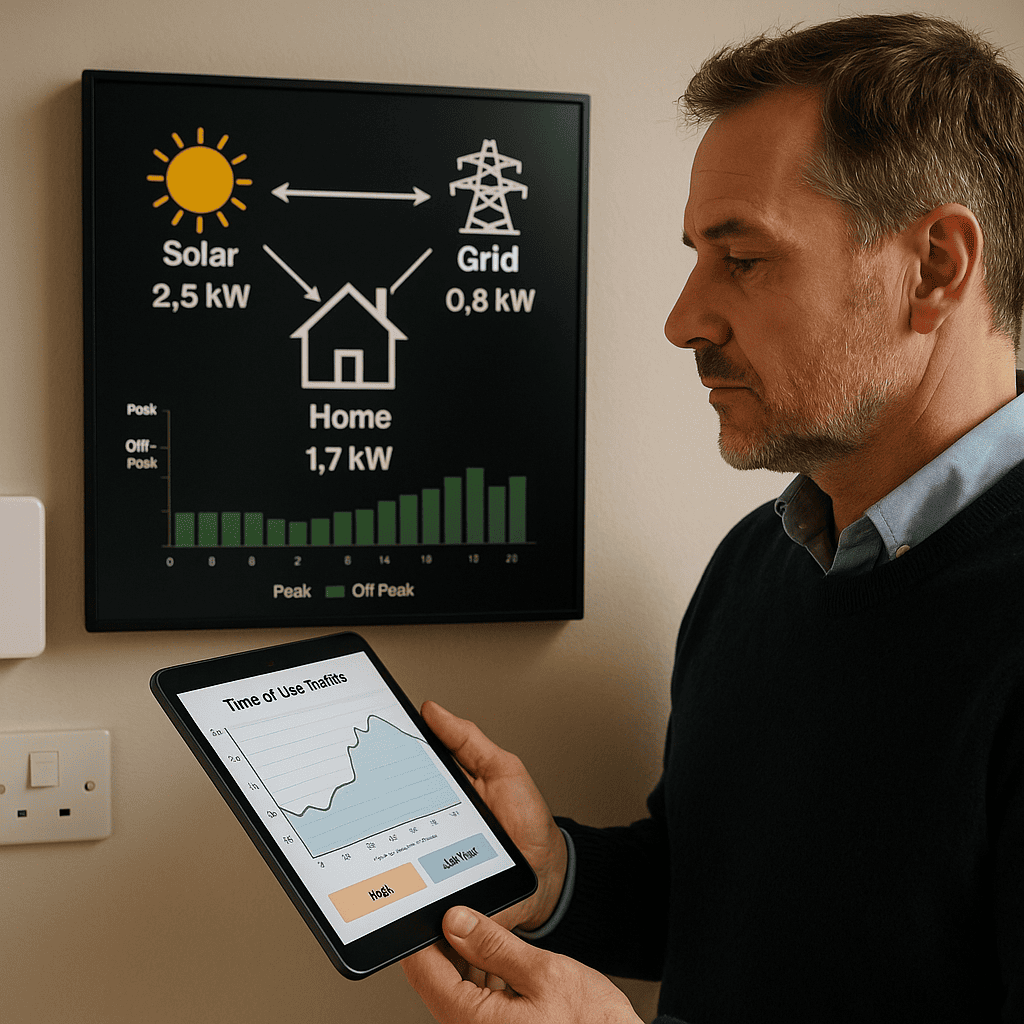
Time of use tariffs are structured around peak and off-peak periods, with prices varying accordingly. For solar energy users, this means that the timing of both energy consumption and production is crucial. By using more electricity during off-peak times when the grid charges less, users can reduce their overall energy costs.
Additionally, during peak times, when grid energy is most expensive, solar users can benefit by relying more on their solar-generated electricity. If the solar system generates excess power, it can be exported to the grid, potentially earning credits that offset future energy costs. This dynamic creates an opportunity for users to optimise their energy use patterns.
Ultimately, the key to leveraging time of use tariffs lies in understanding the balance between solar production, grid usage, and the tariff schedule. By monitoring energy production and consumption, solar users can make informed decisions that align with tariff periods, resulting in more efficient energy use and reduced electricity bills.