
How does curtailment affect solar energy production and profitability?
Curtailment refers to the deliberate reduction of solar energy output, often due to grid constraints or an oversupply of electricity. While solar energy is a clean and renewable resource, its production can sometimes exceed the immediate demand or the grid’s capacity to manage it. This results in solar systems being temporarily switched off or their output limited. This practice, although necessary for grid stability, can have implications for energy production and profitability.
When solar energy is curtailed, it results in a loss of potential electricity generation, impacting the financial returns for solar producers. For businesses and homeowners who rely on exporting solar power back to the grid, curtailment can mean reduced income, as they are unable to sell all of their generated energy. Understanding how curtailment works is crucial for stakeholders in the solar energy sector to navigate its challenges and optimise their investment returns.
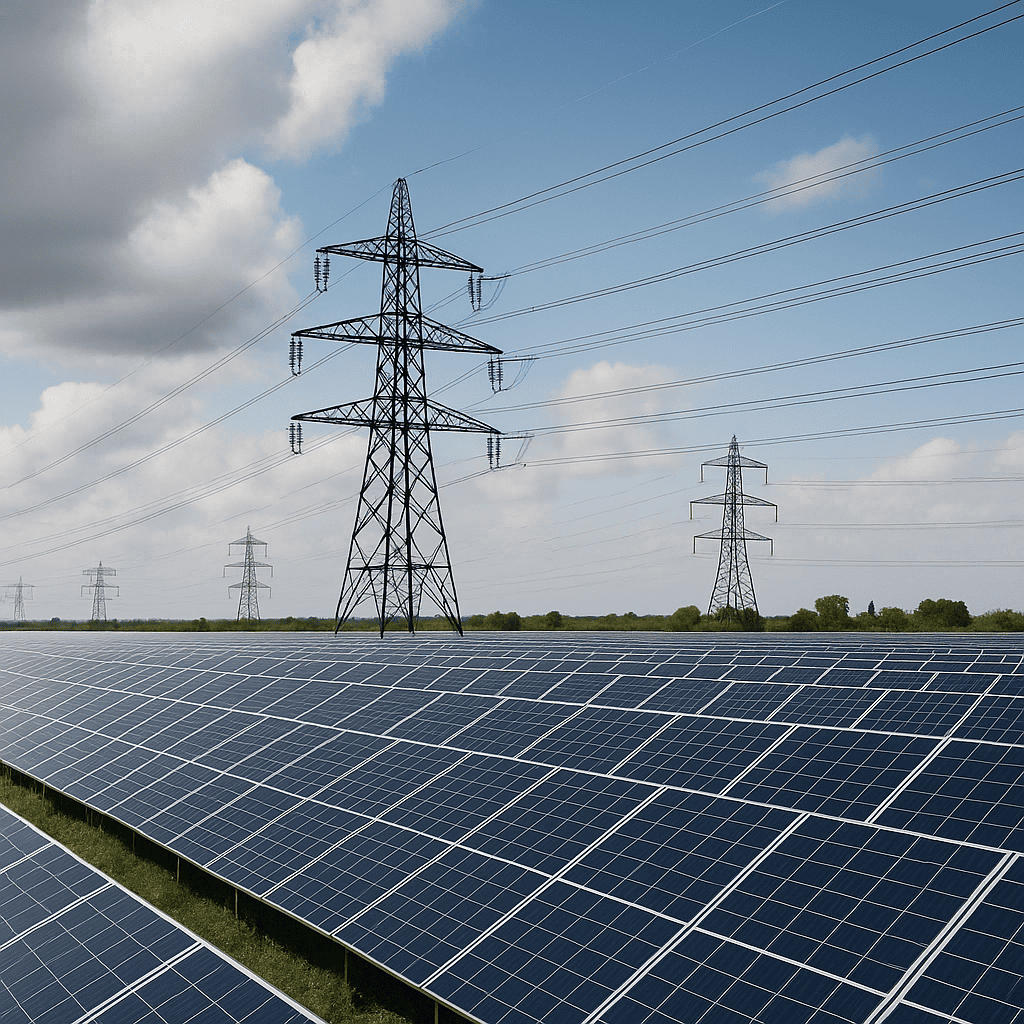
Curtailment occurs when the supply of solar energy surpasses the grid’s capacity to accommodate it, often during periods of low demand or when other energy sources are prioritised. This situation can arise due to factors such as limited grid infrastructure, regulatory policies, or a mismatch between production and consumption patterns. As a result, solar producers may be required to limit the amount of energy they export to the grid, directly affecting their output and, consequently, their profitability.
For solar energy producers, curtailment can pose significant financial challenges. The inability to export excess energy means that the return on investment may not meet initial expectations. This is particularly relevant for large-scale solar farms and businesses that have invested heavily in solar infrastructure. The reduction in energy sales can lead to lower revenue streams, impacting the overall financial viability of solar projects.
To mitigate the effects of curtailment, solar producers can explore strategies such as energy storage solutions or demand-side management. By storing excess energy for later use or adjusting energy consumption patterns, solar producers can reduce the impact of curtailment on their operations. Additionally, engaging with policymakers and grid operators to advocate for improved grid infrastructure and more flexible energy policies can help minimise curtailment incidents, ensuring a more stable and profitable solar energy environment.
