
What is the DNO process for connecting solar technology to the grid?
Connecting solar technology to the grid involves a structured process managed by a Distribution Network Operator (DNO). The DNO is responsible for ensuring that the local electricity network can accommodate the new energy source without compromising safety or reliability. This process is essential for anyone looking to install solar panels and export electricity back to the grid.
To begin, you will need to notify your DNO of your intention to connect solar technology to the grid. This involves completing an application form that provides details about your solar installation. The DNO will then assess the impact on the local network and determine if any upgrades are necessary to support your connection.
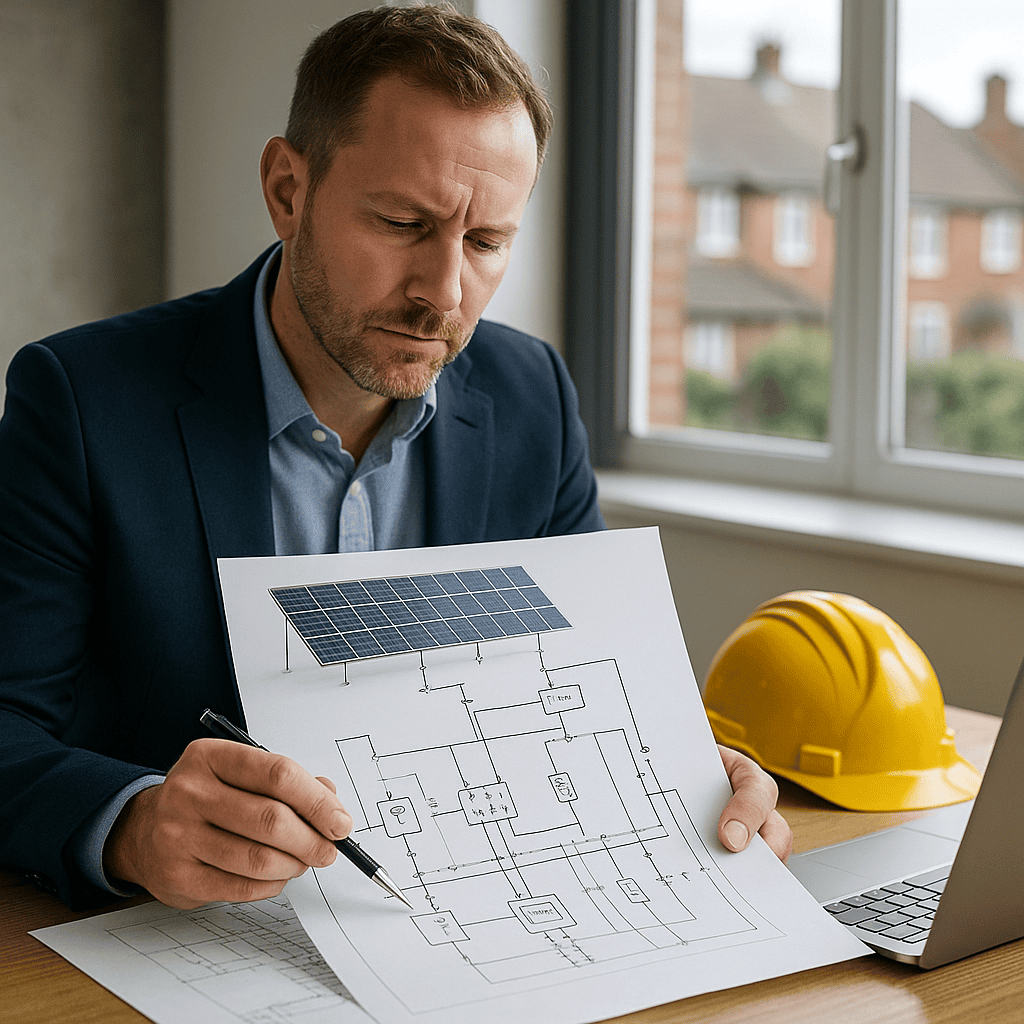
The first step in the DNO process is the application stage, where you provide detailed information about your solar system, including its capacity and location. The DNO will evaluate this information to ensure the grid can handle the additional energy input. Depending on the size of your installation, a simple notification might suffice, or a more detailed application may be required.
Once your application is submitted, the DNO conducts a technical assessment to evaluate the impact of your solar installation on the local grid. This assessment helps determine whether any network upgrades are necessary to facilitate your connection. The DNO will inform you of any additional costs or technical requirements that may arise from this evaluation.
After the assessment, if all criteria are met and any required upgrades are completed, the DNO grants permission for your solar technology to be connected to the grid. This permission is crucial as it ensures safe and efficient integration into the network. By following the DNO process, you can help ensure a smooth transition towards generating and exporting renewable energy.
