
What factors influence the payments received under the Smart Export Guarantee?
The payments received under the Smart Export Guarantee (SEG) are influenced by several key factors. Primarily, the tariff rates offered by energy suppliers play a crucial role. These rates can vary significantly, affecting how much you earn for the electricity you export back to the grid. Additionally, the volume of electricity you generate and export is a determining factor. The more surplus energy you produce, the higher your potential earnings.
External influences such as market demand and time of export also impact payments. Exporting electricity during peak demand periods can lead to more favourable rates. Furthermore, regional differences in grid capacity and energy policies may also affect the payments under the SEG scheme. Understanding these elements can help maximise your earnings and ensure that you are making the most of your renewable energy installation.
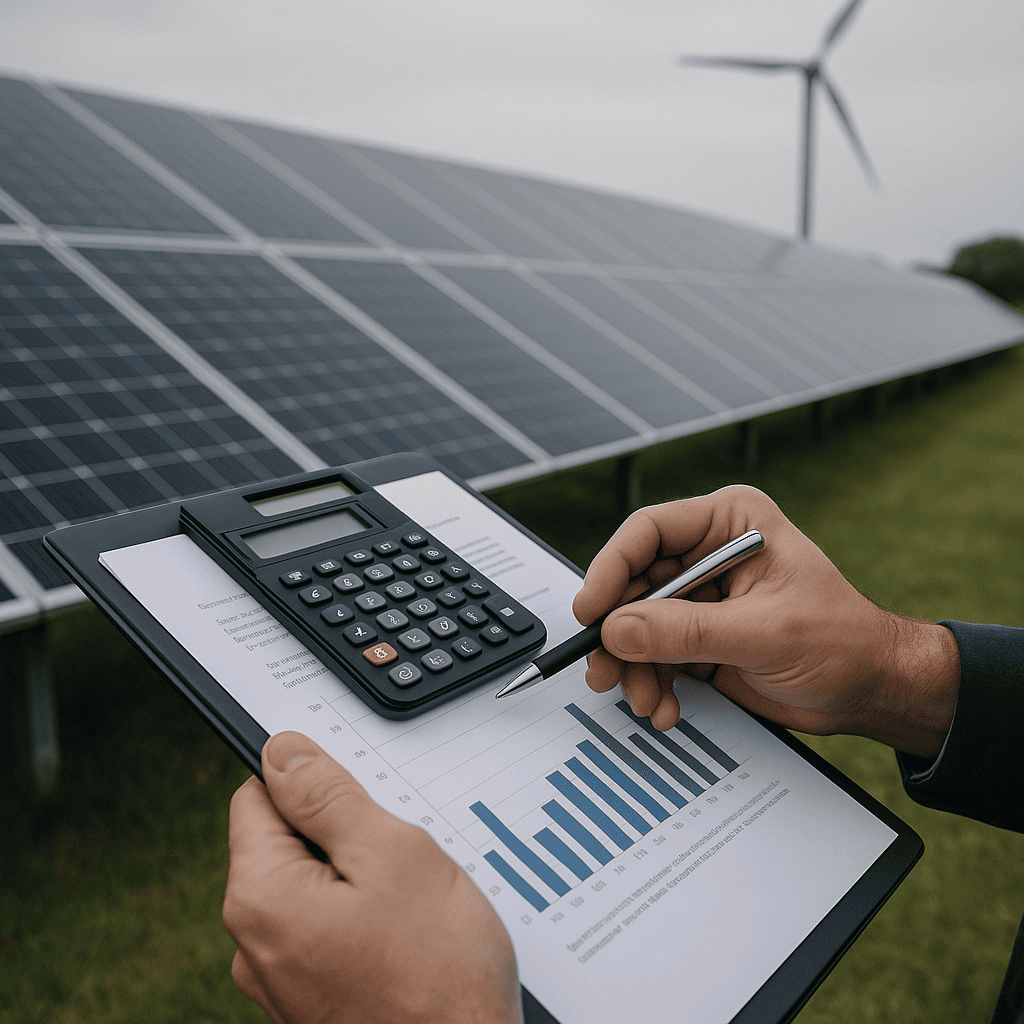
One of the primary factors influencing SEG payments is the tariff rate provided by your energy supplier. Suppliers set these rates independently, which means they can vary widely across different companies. It’s crucial to compare these rates carefully to ensure you are receiving the best possible return for the energy you export.
Another significant factor is the amount of electricity you generate and subsequently export. The more energy you produce from renewable sources like solar panels or wind turbines, the greater the volume available for export. This surplus energy directly contributes to the payments you receive, making it essential to optimise your energy production.
Finally, timing and market conditions can affect the payments under the SEG. Exporting electricity during high-demand periods can result in more advantageous rates. Additionally, regional grid capacity and specific energy policies may influence the overall value of the payments. Being aware of these dynamics can help you strategically manage your energy exports for optimal returns.