
What types of batteries are commonly recycled in the solar industry?
In the solar industry, the recycling of batteries plays a crucial role in promoting environmental sustainability. Commonly recycled batteries include lithium-ion, lead-acid, and nickel-cadmium types. Each of these batteries has distinct characteristics and applications, making them suitable for various solar energy systems. Recycling these batteries not only helps in reducing waste but also in recovering valuable materials, which can be reused in the production of new batteries.
The recycling process is essential in mitigating the environmental impact associated with battery disposal. By ensuring that batteries are properly recycled, the solar industry contributes to a circular economy, where resources are efficiently utilised. This approach not only conserves natural resources but also reduces the carbon footprint of solar energy systems, aligning with global efforts towards a more sustainable future.
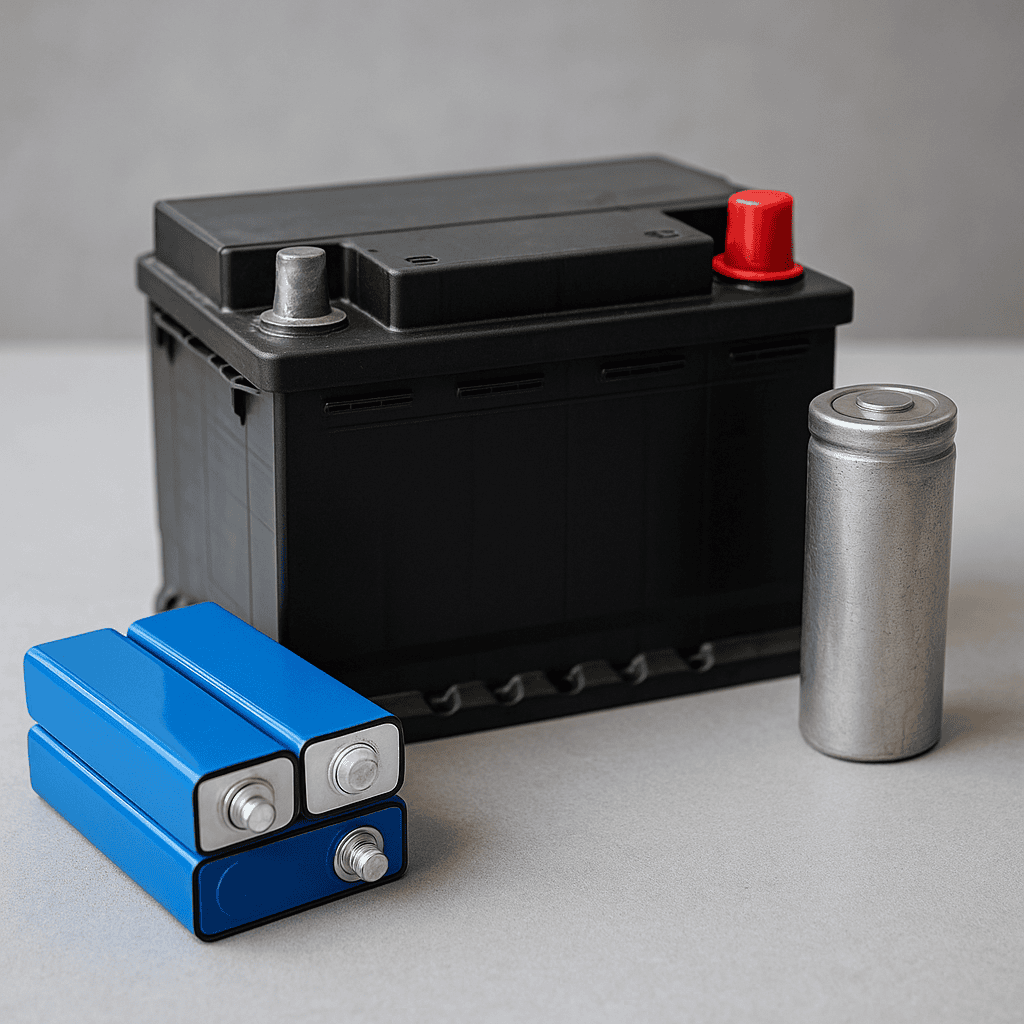
Lithium-ion batteries are widely used in solar energy systems due to their high energy density and efficiency. These batteries are highly recyclable, and the process involves recovering valuable metals such as lithium, cobalt, and nickel. Recycling lithium-ion batteries helps in reducing the demand for raw materials, thereby minimising the environmental impact of mining activities.
Lead-acid batteries have been a staple in the solar industry for many years, known for their reliability and cost-effectiveness. They are also one of the most recycled battery types, with a well-established recycling process that efficiently retrieves lead and plastic components. This recycling not only prevents hazardous materials from entering the environment but also supports the production of new batteries.
Nickel-cadmium batteries, although less common today, are still used in certain solar applications. These batteries contain toxic cadmium, making recycling imperative to prevent environmental contamination. The recycling process for nickel-cadmium batteries focuses on recovering nickel and cadmium, ensuring that these materials are safely managed and reused, thereby reducing potential harm to the environment.
