
What are the differences in cycle life among various types of solar batteries?
Understanding the cycle life of solar batteries is crucial for anyone looking to invest in solar energy storage. Cycle life refers to the number of complete charge and discharge cycles a battery can undergo before its capacity falls below a specified percentage of its original capacity. Not all solar batteries are created equal, and their cycle life can vary significantly depending on the type of battery and the conditions under which it operates.
Different types of solar batteries, such as lithium-ion, lead-acid, and flow batteries, each offer unique benefits and limitations concerning cycle life. By examining these differences, you can make an informed decision that aligns with your energy needs and long-term sustainability goals.
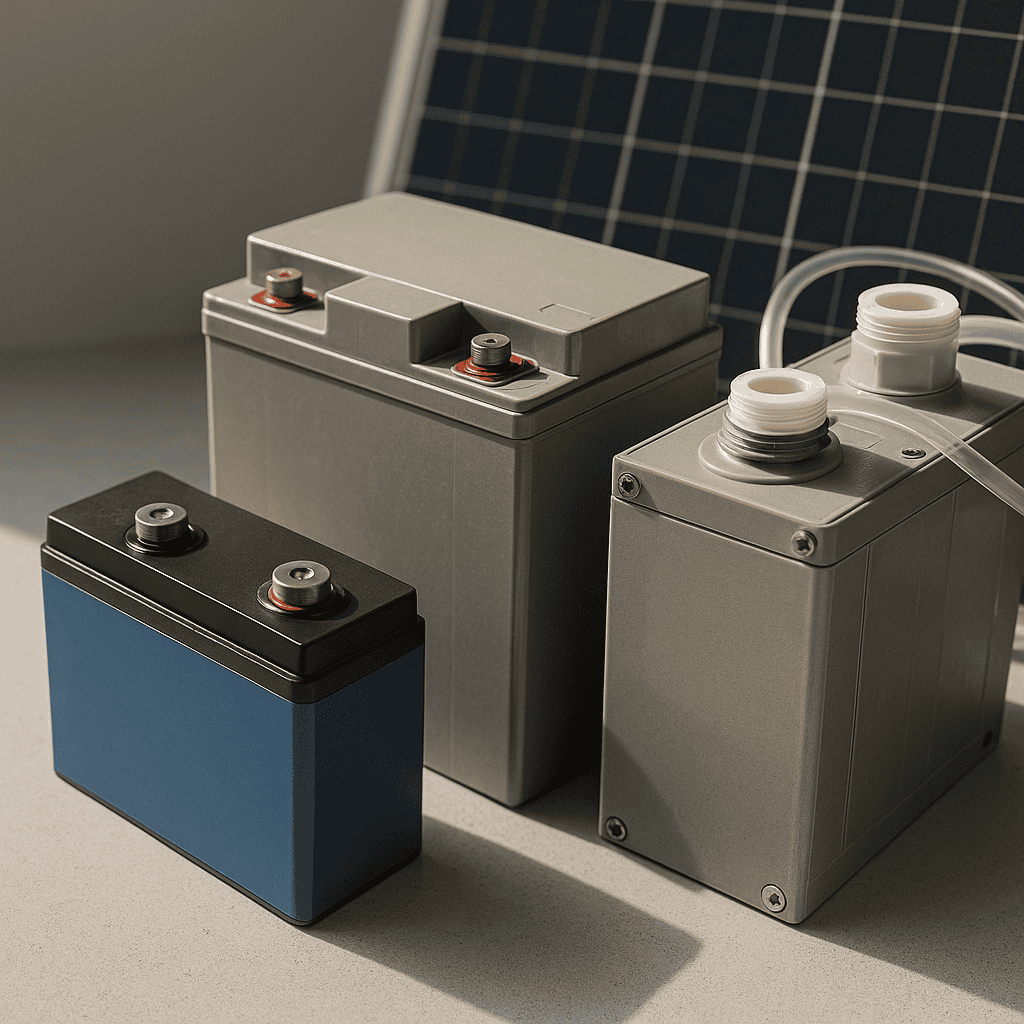
Lithium-ion batteries are often praised for their long cycle life, typically ranging from 2,000 to 5,000 cycles. This longevity is due to their efficient charge-discharge capabilities and minimal self-discharge rates. These characteristics make them an excellent choice for residential and commercial solar systems where frequent cycling is expected.
In contrast, lead-acid batteries, while more affordable, generally have a shorter cycle life, often between 500 and 1,500 cycles. Their cycle life can be affected by factors such as depth of discharge and operating temperature. Despite their shorter cycle life, they remain popular due to their reliability and cost-effectiveness for certain applications.
Flow batteries offer a different approach with potentially unlimited cycle life, as their energy storage capacity is separate from the number of cycles. This unique feature makes them an attractive option for large-scale energy storage projects, although their higher initial costs and complexity may not suit all users.