
How do different types of batteries compare in terms of capacity and kWh for solar applications?
When considering solar energy systems, selecting the right battery is crucial for optimising performance and efficiency. Different types of batteries offer varying capacities and energy outputs, often measured in kilowatt-hours (kWh), making it essential to understand how these differences impact solar applications. The choice of battery will influence not only the storage capacity but also the overall cost and longevity of your solar energy system.
In this guide, we will explore the most common types of batteries used in solar applications, including their capacities and how they compare in terms of kWh. By understanding the characteristics of each battery type, you can make an informed decision that aligns with your energy needs and sustainability goals.
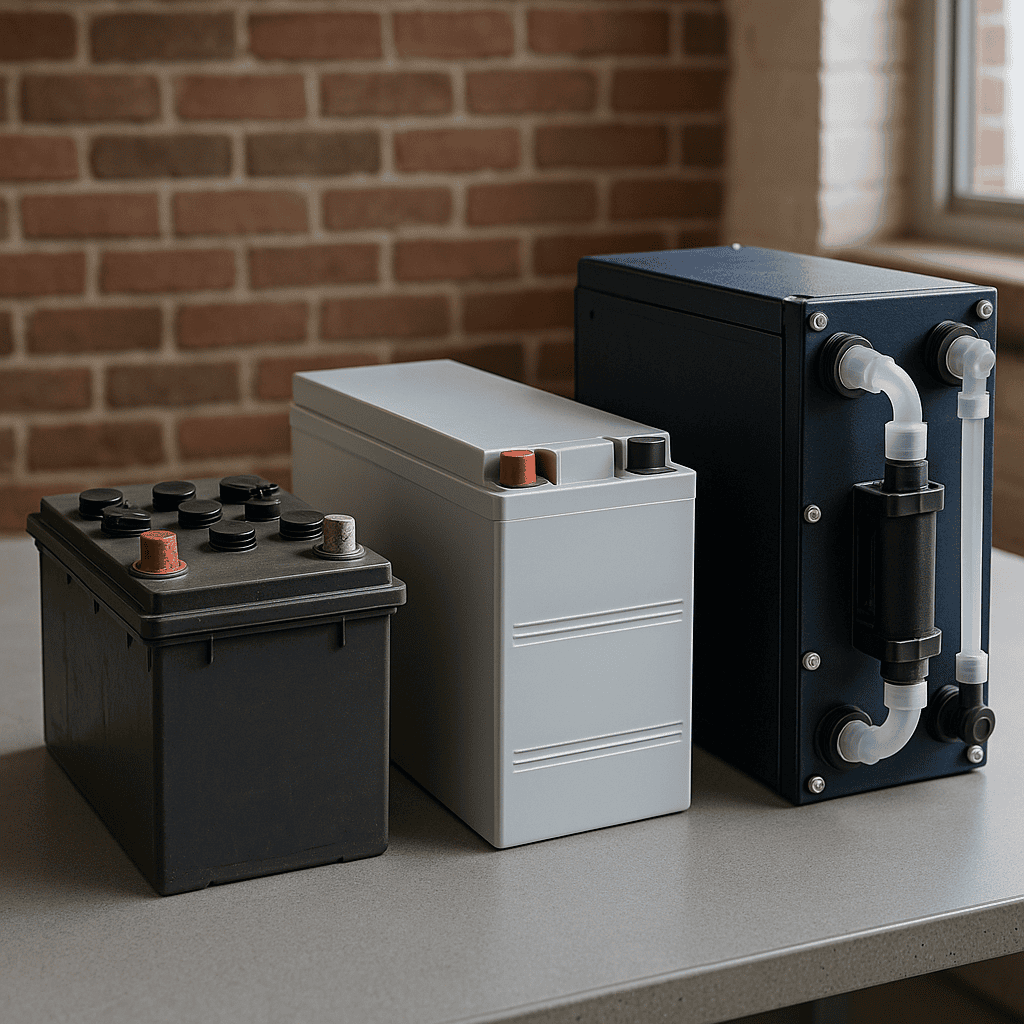
Lead-acid batteries have been a traditional choice for solar energy storage due to their affordability and reliability. They come in two main types: flooded and sealed. While flooded lead-acid batteries require regular maintenance, sealed versions are more user-friendly. Typically, these batteries have lower energy density, which means they require more space to store the same amount of energy compared to other types. Their cycle life is also relatively shorter, impacting long-term cost efficiency.
Lithium-ion batteries, on the other hand, are becoming increasingly popular in solar applications due to their high energy density and longer lifespan. These batteries can store more energy in a smaller space and offer a higher depth of discharge, allowing for more efficient use of stored energy. Although they tend to be more expensive upfront, their durability and efficiency often result in lower overall costs over time.
Flow batteries represent another option, particularly for larger solar installations. These batteries store energy in liquid electrolytes and offer the advantage of scalability and long cycle life. They are well-suited for applications requiring large amounts of energy storage and frequent cycling. However, their high initial cost and complex system design can be a drawback for smaller scale or residential solar applications. Understanding these differences will help you determine which battery type best suits your solar energy needs.