
What is the relationship between battery capacity and energy storage efficiency?
The relationship between battery capacity and energy storage efficiency is a crucial consideration in the realm of renewable energy, particularly solar technology. Understanding this link can help optimise the performance and cost-effectiveness of energy storage systems. Battery capacity refers to the amount of energy a battery can store, typically measured in kilowatt-hours (kWh), while energy storage efficiency is the ratio of energy output to the energy input, expressed as a percentage.
A battery with a higher capacity can store more energy, potentially enhancing the efficiency of energy storage systems by reducing the number of charge-discharge cycles required. This can lead to longer battery life and lower maintenance costs, making it an attractive option for both residential and commercial applications. However, the efficiency of energy storage is not solely dependent on capacity; it is also influenced by factors such as battery type, temperature, and charging rates.
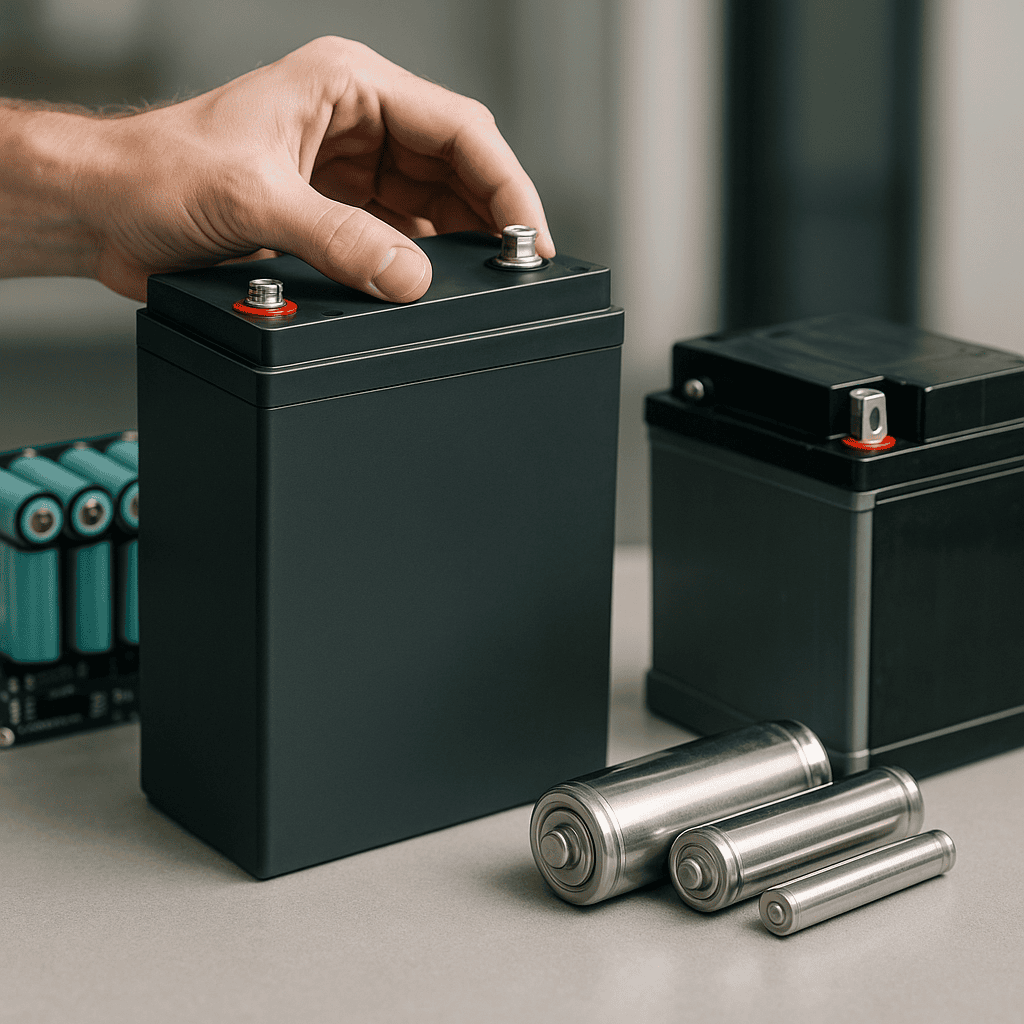
The efficiency of a battery is closely linked to its capacity because a larger capacity often means a lower depth of discharge (DoD) for the same energy output. This reduced DoD can prolong the lifespan of a battery, as batteries tend to degrade more slowly when not fully discharged regularly. Therefore, investing in a battery with an appropriate capacity can lead to better long-term performance and lower replacement costs.
Additionally, different battery technologies exhibit varying levels of efficiency, which can impact the overall effectiveness of energy storage systems. For instance, lithium-ion batteries generally offer higher efficiency compared to lead-acid batteries due to their lower internal resistance and ability to maintain performance over a broader range of temperatures. This means that selecting the right battery technology is as important as considering the capacity for optimal efficiency.
Finally, the charging and discharging rates also play a significant role in determining energy storage efficiency. Batteries with higher capacities often allow for more flexible charging cycles, which can be beneficial in maximising energy capture from intermittent sources like solar panels. By balancing capacity, technology, and operational conditions, one can achieve an efficient and cost-effective energy storage solution.