
What factors should be considered when choosing between lithium-ion and LFP batteries for solar energy systems?
When deciding between lithium-ion and lithium iron phosphate (LFP) batteries for solar energy systems, several critical factors must be taken into account. Both battery types have their own unique advantages and limitations, which can significantly impact the performance and cost-effectiveness of a solar setup. Understanding these differences is essential for making an informed decision that aligns with specific energy needs and budget constraints.
Lithium-ion batteries are renowned for their high energy density, making them a popular choice for applications where space and weight are at a premium. In contrast, LFP batteries offer enhanced safety and longevity, often preferred for their stability and extended cycle life. Evaluating these characteristics in relation to your solar energy goals will help determine the most suitable battery option for your system.
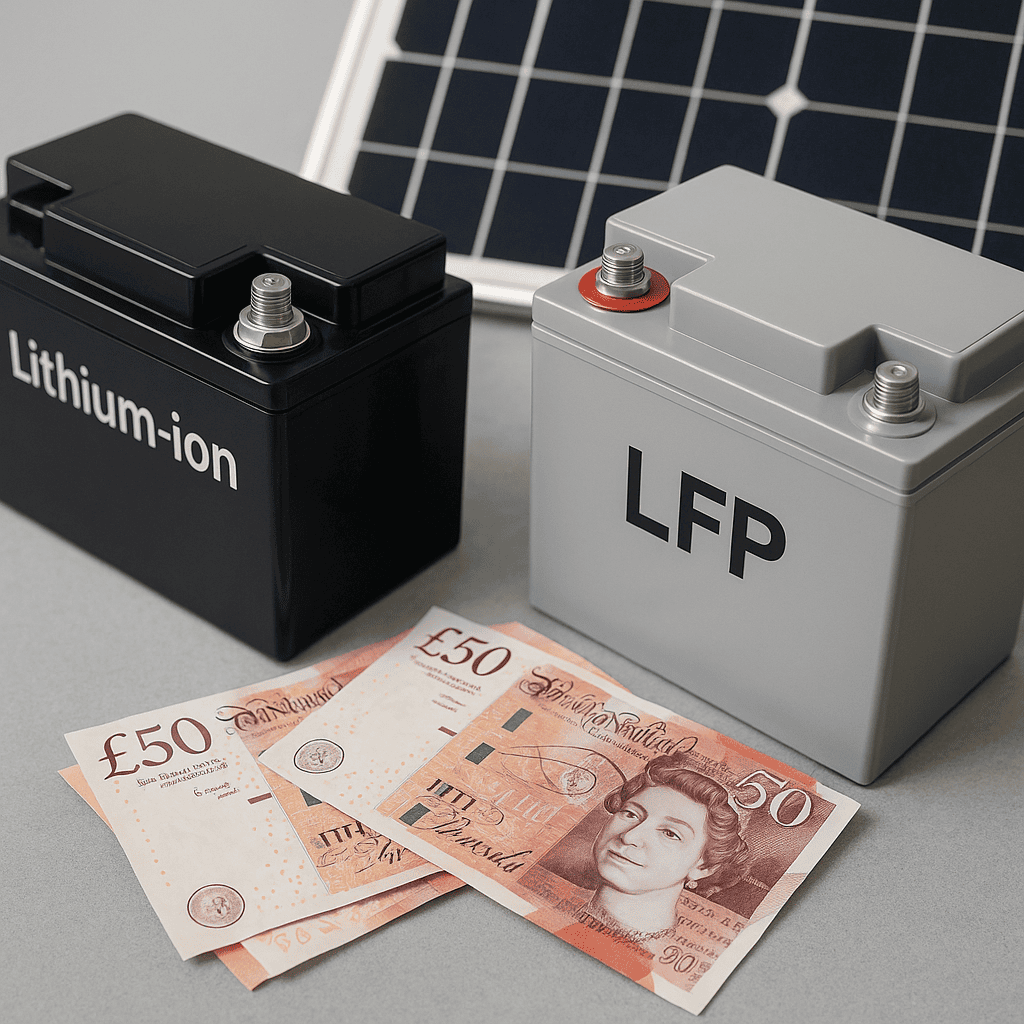
One of the primary considerations when choosing between lithium-ion and LFP batteries is cost. Generally, LFP batteries tend to have a lower upfront cost compared to lithium-ion batteries, making them an attractive option for those with budgetary constraints. However, it is important to factor in the long-term savings associated with the durability and longevity of LFP batteries, which may offer a more cost-effective solution over time.
Efficiency is another crucial factor to consider. Lithium-ion batteries typically provide higher energy density, which means they can store more energy in a smaller space. This makes them ideal for installations where space is limited. On the other hand, LFP batteries, while having a lower energy density, excel in maintaining performance over a larger number of charge cycles, translating into a longer lifespan and potentially lower replacement costs.
Lastly, safety and environmental impact are key factors in the decision-making process. LFP batteries are known for their superior thermal stability and lower risk of overheating, which can be a significant advantage in ensuring the safety of the solar energy system. Additionally, LFP batteries are often considered more environmentally friendly due to the absence of cobalt, a material used in many lithium-ion batteries, thus reducing the environmental footprint.