
How do lithium-ion and LFP battery costs compare for solar energy storage?
When considering solar energy storage, the cost of batteries is a crucial factor in decision-making. Two popular options, lithium-ion and lithium iron phosphate (LFP) batteries, each present distinct cost profiles. Understanding these differences can guide you in selecting the most cost-effective solution for your solar energy needs.
Lithium-ion batteries have historically been more expensive but are known for their higher energy density, which can be advantageous in space-constrained applications. On the other hand, LFP batteries typically offer a lower upfront cost and longer lifespan, making them an attractive option for those prioritising long-term savings and durability.
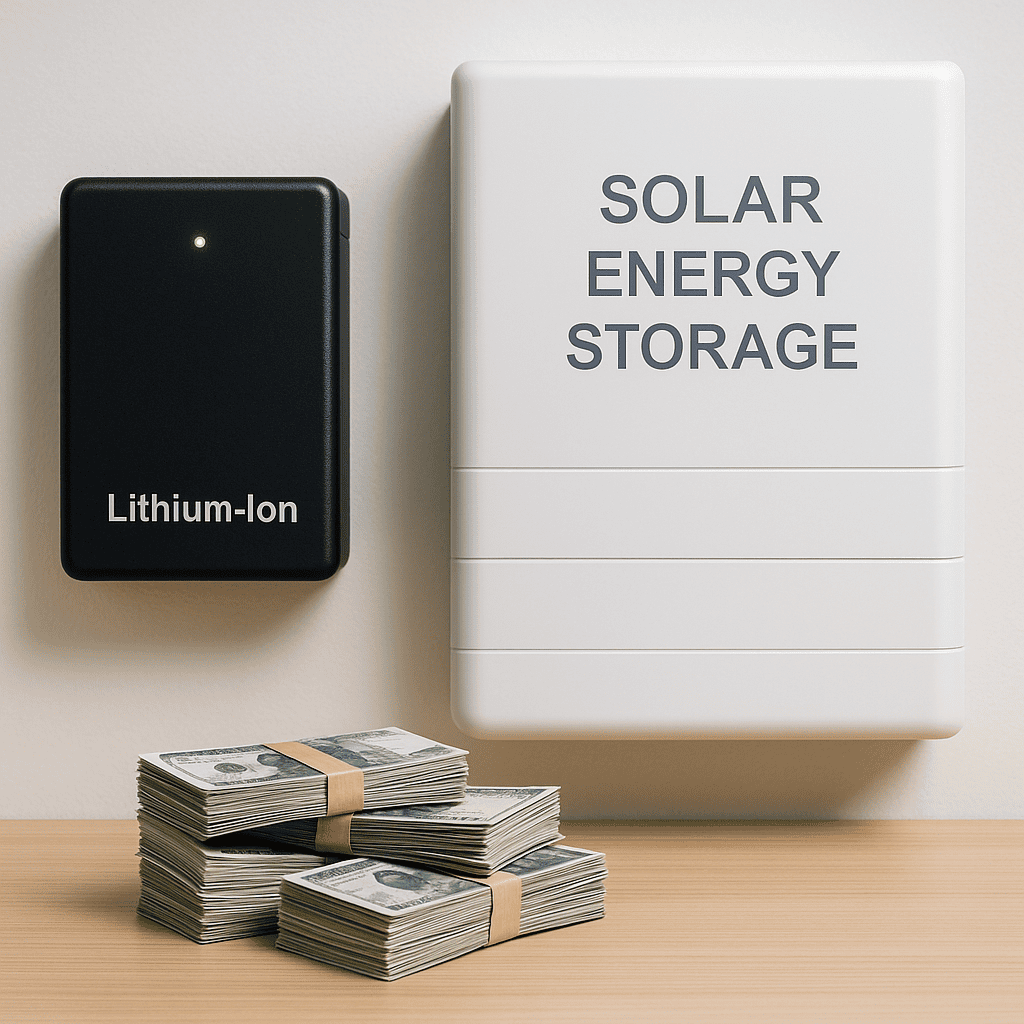
Lithium-ion batteries often come with a higher initial price tag due to their advanced technology and greater energy storage capacity. This makes them suitable for applications where space is limited and a higher energy density is required. However, their cost can be justified by their efficiency and performance, especially when space is a premium consideration.
In contrast, LFP batteries, while potentially offering less energy density, are generally more budget-friendly upfront. Their longer cycle life contributes to lower long-term costs, as they require less frequent replacements. This can be particularly beneficial for solar energy systems where extended lifespan and reliability are prioritised over energy density.
Ultimately, the choice between lithium-ion and LFP batteries will depend on your specific requirements and budget constraints. If initial cost and longevity are your primary concerns, LFP may be the preferable choice. However, if space efficiency and higher energy capacity are essential, investing in lithium-ion technology might be more advantageous.