What factors influence the cost of three phase solar systems and inverters?
When considering the installation of three phase solar systems and inverters, it is essential to understand the various factors that can influence their cost. These systems, known for their efficiency in handling larger electricity loads, are a popular choice for both residential and commercial properties. However, their pricing can vary significantly based on several key elements. By gaining insight into these factors, you can make informed decisions that optimise your investment in solar technology.
The cost of three phase solar systems and inverters is primarily influenced by factors such as system size, brand quality, and installation complexity. Each of these elements plays a crucial role in determining the overall expense. Understanding these components will not only help in budgeting but also ensure you achieve the best value for your investment. In the following sections, we will explore these factors in more detail, providing you with a comprehensive overview.
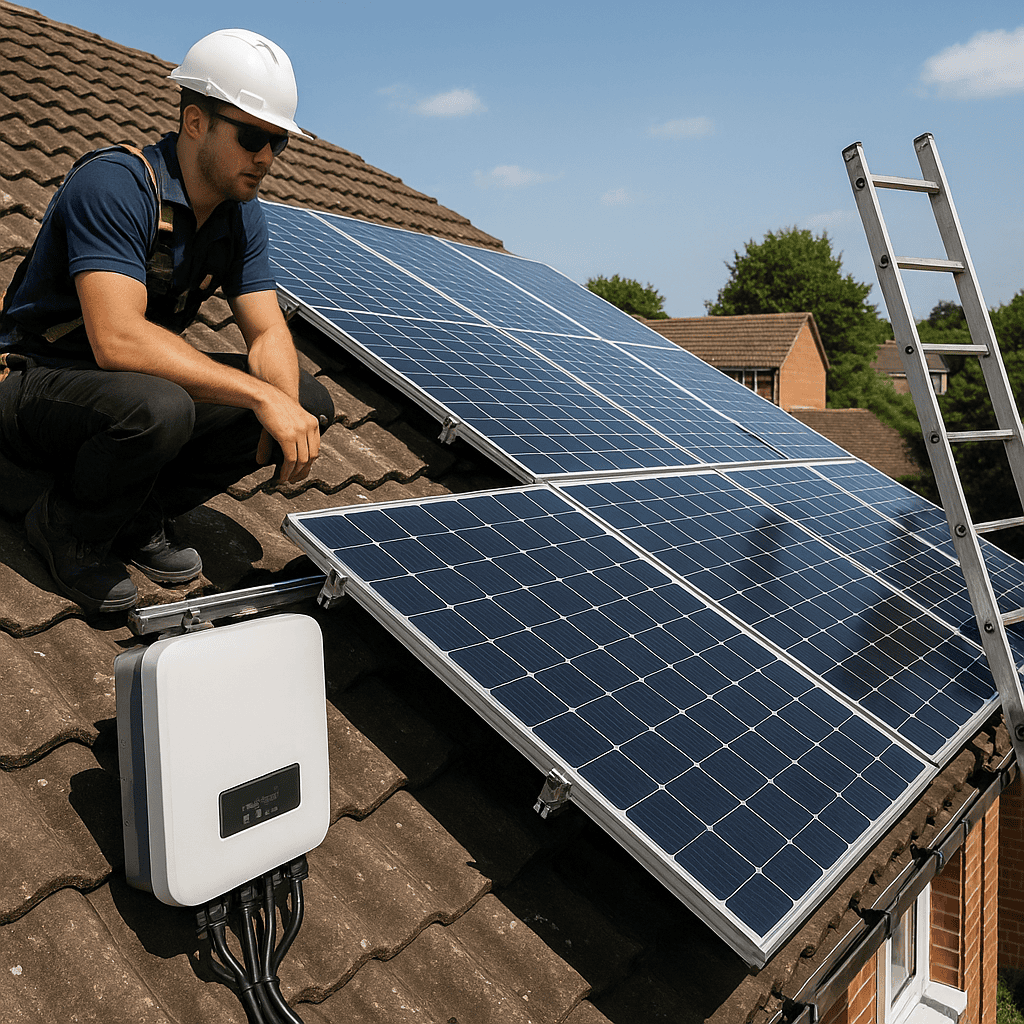
The size of the system is a major determinant in the cost of three phase solar systems. Larger systems, which can generate more electricity, generally come with a higher price tag due to the increased number of panels and more robust inverters required. However, while the upfront cost might be higher, a larger system can offer greater long-term savings on energy bills, making it a worthwhile consideration for those with higher energy needs.
Another critical factor is the quality and brand of the solar panels and inverters. Premium brands often come with advanced technology, higher efficiency rates, and longer warranties, which can increase the initial cost. Nonetheless, investing in high-quality equipment can lead to better performance and reliability, potentially reducing maintenance costs over time and enhancing the overall return on investment.
Lastly, the complexity of installation can significantly affect costs. Factors such as roof type, angle, and accessibility can all contribute to the difficulty and, consequently, the expense of installing a solar system. More complex installations may require additional labour and specialised equipment, increasing the overall cost. By understanding these elements, you can better anticipate the financial outlay and make decisions that align with your energy goals and budget.