
How do solar optimisers improve energy efficiency in residential solar installations?
Solar optimisers play a crucial role in enhancing the energy efficiency of residential solar installations. These devices are designed to maximise the performance of each solar panel by mitigating the effects of shading, dust, or panel mismatch, thereby ensuring that each panel operates at its optimal capacity.
By adjusting the electrical characteristics of the panels, solar optimisers help in extracting the maximum power possible, which in turn increases the overall energy output of the solar system. This improvement in efficiency not only boosts the return on investment for homeowners but also contributes to a sustainable energy solution by making better use of available sunlight.
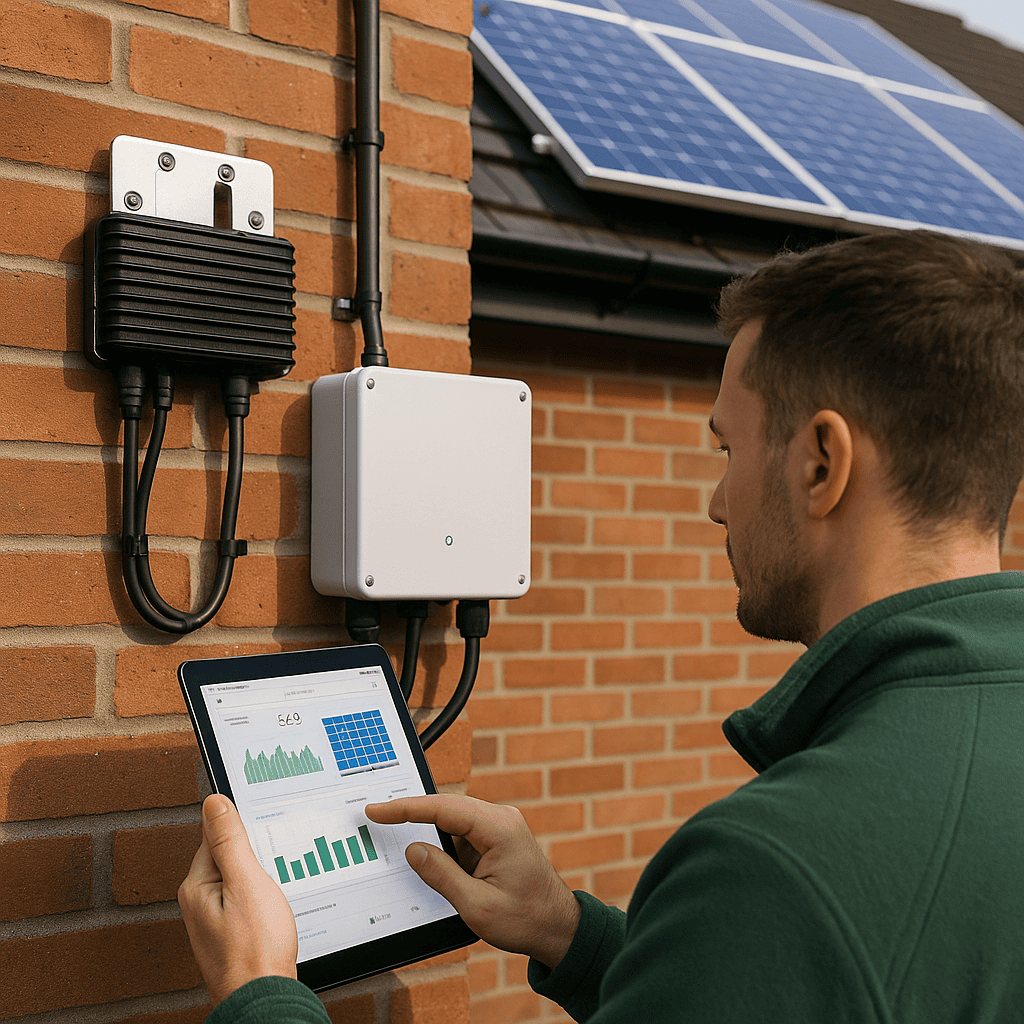
Solar optimisers work by performing maximum power point tracking (MPPT) at the panel level. This means that each panel is individually optimised to produce the highest energy output possible, regardless of external conditions like shading or orientation. In traditional systems, a single underperforming panel can reduce the output of the entire string of panels, but optimisers prevent this by ensuring each panel functions independently.
Additionally, solar optimisers provide real-time data monitoring, which allows homeowners to track the performance of their solar installation. This monitoring capability helps in identifying and addressing any issues promptly, further enhancing the reliability and efficiency of the system.
Finally, solar optimisers contribute to the longevity of the solar installation by reducing the stress on the panels and other components. By maintaining optimal performance and preventing potential issues, these devices can extend the lifespan of the solar system, making it a more cost-effective and environmentally friendly investment for residential use.