
How do AC and DC systems impact the efficiency of solar technology?
The efficiency of solar technology is significantly influenced by the type of electrical current system utilised, namely Alternating Current (AC) or Direct Current (DC). Understanding how these systems operate and their impact on solar panel performance is crucial for anyone considering solar energy solutions. While both AC and DC systems have their merits, they differ in terms of energy conversion and distribution efficiency.
AC systems are widely used in residential and commercial settings due to their compatibility with the existing electrical grid. However, DC systems are often more efficient when it comes to the initial capture and storage of solar energy. The choice between AC and DC systems can affect not only the overall efficiency of a solar setup but also its cost and safety features.
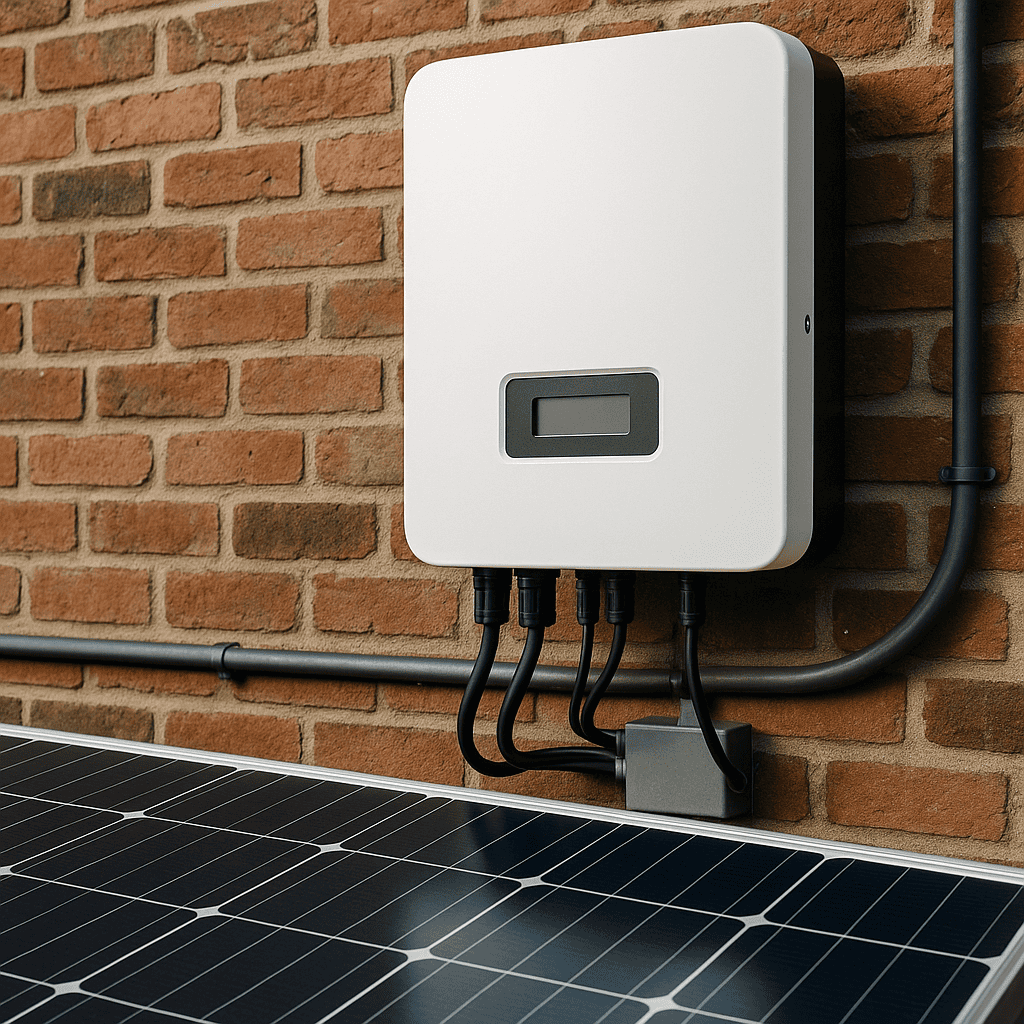
AC systems require inverters to convert the DC electricity generated by solar panels into AC electricity, which can be used by most household appliances and fed into the grid. Although inverters introduce a degree of energy loss during conversion, AC systems provide the flexibility of integrating with the existing electrical infrastructure, making them a practical choice for many users.
On the other hand, DC systems can offer higher efficiency by eliminating the need for conversion in certain applications, such as off-grid solar setups or when directly powering DC appliances and devices. This direct usage can reduce energy loss and potentially lower the overall cost of the solar installation by minimising the need for additional components like inverters.
When considering safety implications, AC systems are generally regarded as safer due to lower voltage levels and the widespread availability of AC-compatible safety devices. However, advances in DC technology are continuously improving safety measures, making DC systems a viable option for those prioritising efficiency and direct energy use. Ultimately, the choice between AC and DC will depend on individual energy needs, budget, and safety considerations.