
What are the cost implications of choosing AC vs DC solar inverters?
When considering solar technology investment, understanding the cost implications of choosing between AC and DC solar inverters is crucial. This decision can significantly impact both the initial expenditure and the long-term efficiency of your solar power system. While both types of inverters have their unique advantages, the choice often boils down to balancing upfront costs with potential savings over time.
AC inverters, typically more expensive initially, offer simplicity in installation and integration with existing electrical systems. On the other hand, DC inverters, often seen as more cost-effective upfront, might require additional components for compatibility. By examining these aspects, you can make an informed decision that aligns with your financial and energy goals.
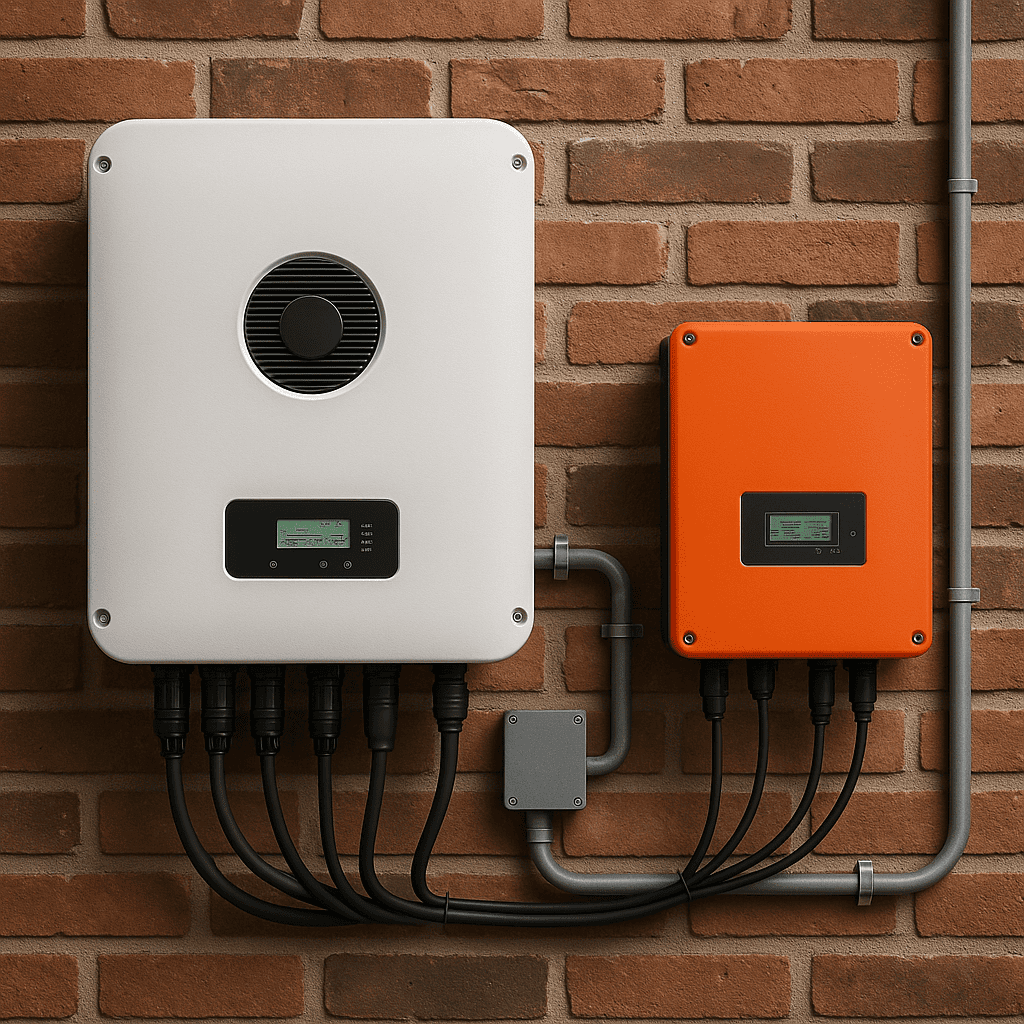
AC solar inverters are generally more costly upfront due to their ability to convert DC electricity from solar panels into AC electricity, which is compatible with most home appliances and the grid. This compatibility often simplifies installation and reduces additional component costs, which can offset the higher initial price over time. Furthermore, AC inverters are known for their reliability and ease of maintenance, potentially leading to lower long-term operational costs.
Conversely, DC solar inverters are typically less expensive to purchase initially. However, they might necessitate additional components, such as optimisers, to ensure compatibility with AC electrical systems. This can lead to increased installation costs and complexity. Despite this, DC systems can be more efficient in converting solar energy, offering potential savings on electricity bills over the lifespan of the system.
Ultimately, the cost implications of choosing between AC and DC solar inverters depend on individual project requirements and long-term energy goals. While AC inverters may demand a higher initial investment, their ease of integration and potential for lower maintenance costs can be appealing. Conversely, DC inverters might offer a more budget-friendly starting point, with the possibility of efficiency gains that could be financially beneficial in the long run.