
What are the common inverter fault codes and their meanings?
Inverter fault codes can often be bewildering, especially for those unfamiliar with the intricacies of solar technology. These codes are essentially alerts from your inverter, indicating that something is amiss with its operation. Understanding these fault codes is crucial for ensuring the efficiency and longevity of your solar power system. By decoding these messages, you can take the necessary steps to troubleshoot and resolve any issues that may arise. This ensures that your system continues to operate smoothly, providing you with a reliable source of renewable energy.
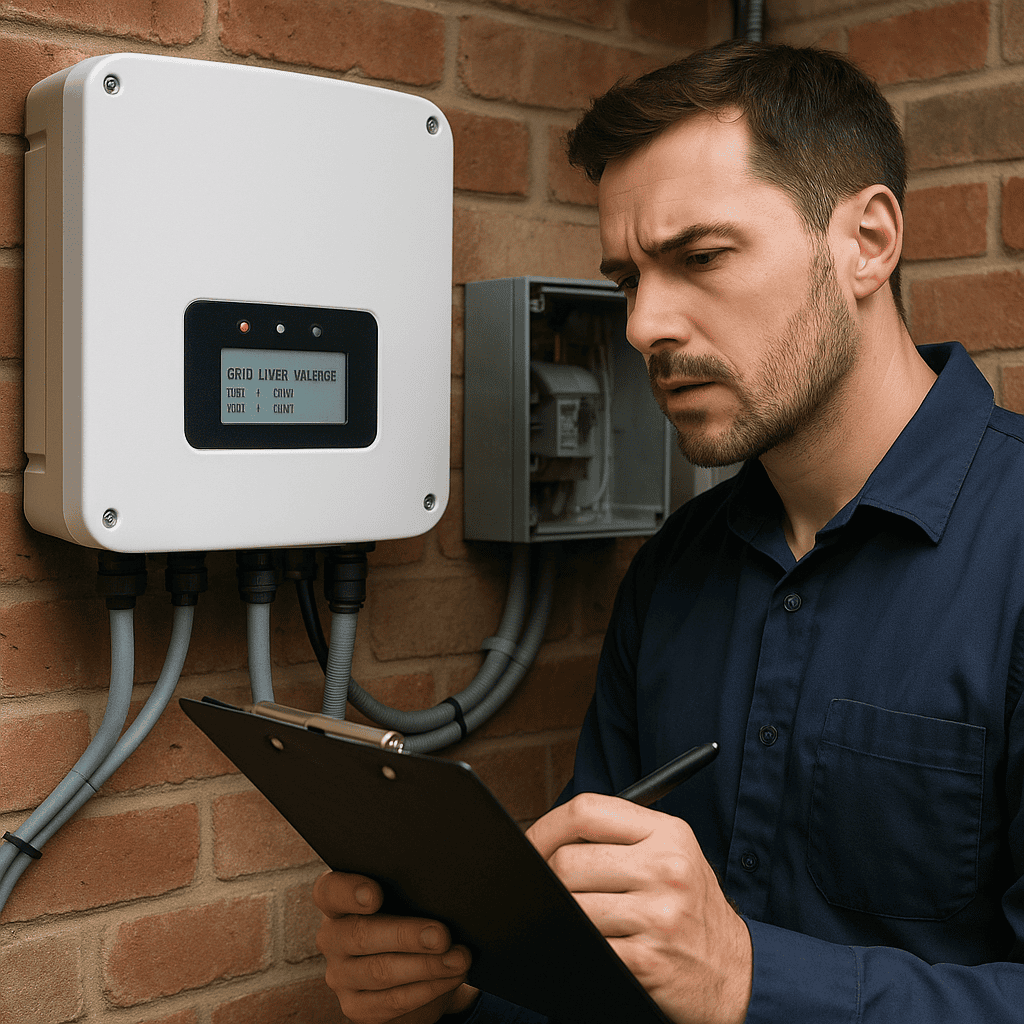
One of the most common inverter fault codes is the ‘Grid Under Voltage’ code. This code indicates that the voltage from the grid is lower than the acceptable range for the inverter to function correctly. It is important to check the grid voltage and ensure it complies with the inverter’s specifications. If the issue persists, consulting a qualified technician may be necessary to prevent any further complications.
Another frequent fault code is ‘Over Temperature’, which suggests that the inverter is operating at a temperature beyond its safe limits. This can be caused by inadequate ventilation or excessively high ambient temperatures. To address this, ensure that the inverter is installed in a well-ventilated area, free from direct sunlight, and check that the cooling fans are functioning properly.
Lastly, the ‘Isolation Fault’ code signals a potential problem with the electrical isolation in the system. This can be a serious issue, as it may lead to electrical hazards. It is essential to inspect the wiring and connections for any signs of wear or damage. If you are uncertain about handling electrical components, it is advisable to seek professional assistance to rectify the situation safely.