
What is the average cost of hybrid inverters for residential solar installations?
As more homeowners turn to solar energy to power their homes, understanding the costs associated with the necessary components becomes crucial. One such component is the hybrid inverter, which plays a vital role in converting and managing energy from solar panels. The average cost of hybrid inverters for residential solar installations can vary widely depending on several factors. Typically, these inverters range from £1,500 to £3,000, but prices can fluctuate based on capacity, brand, and additional features.
Hybrid inverters are an essential investment for those looking to maximise their solar energy use. They not only convert DC electricity from solar panels into AC electricity for home use but also manage energy storage and distribution. By understanding the average costs and what influences them, homeowners can make informed decisions that suit their budget and energy needs.
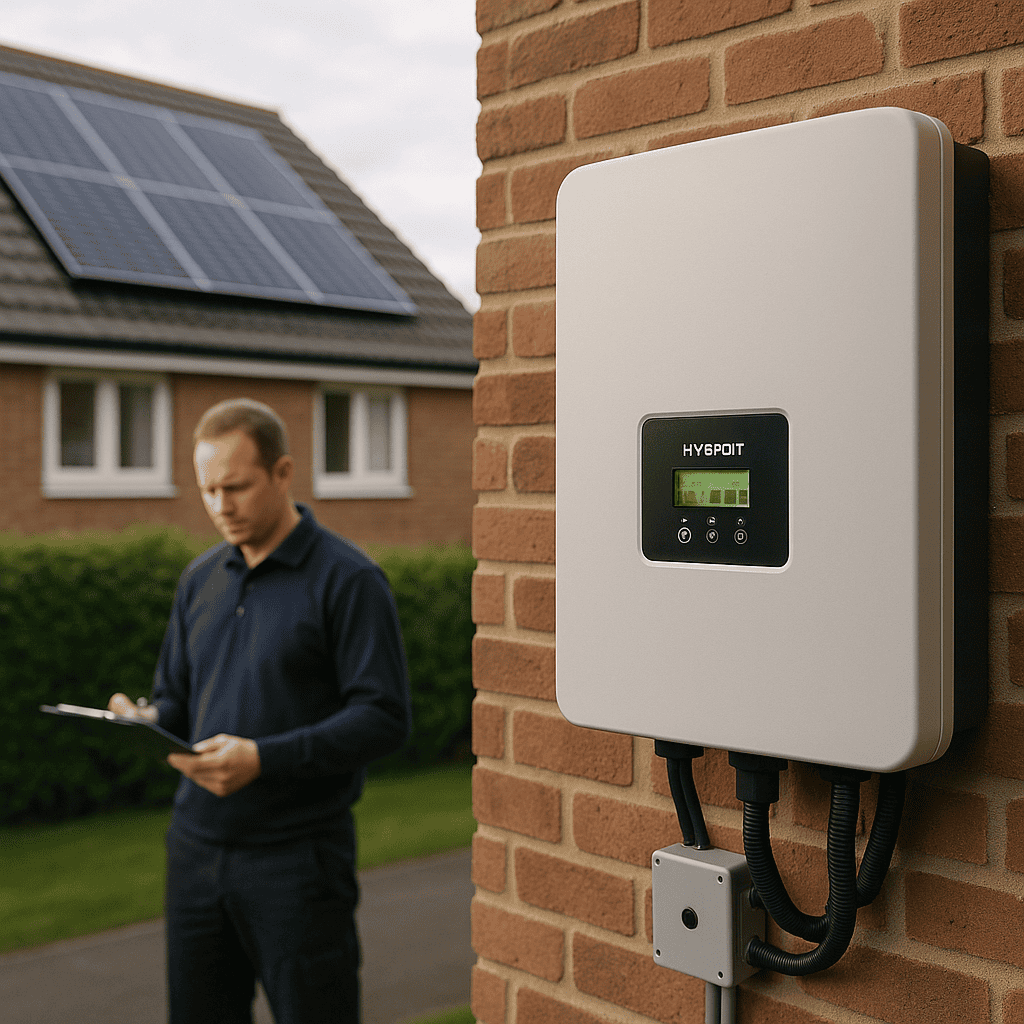
Several factors influence the cost of hybrid inverters, starting with the power capacity, usually measured in kilowatts (kW). The higher the capacity, the more expensive the inverter tends to be. This is because higher capacity inverters can handle more energy, making them suitable for larger homes or those with higher electricity demands. Additionally, inverters with advanced features, such as integrated energy management systems or smart grid capabilities, can also command higher prices.
Another factor affecting the cost is the efficiency and reliability of the inverter. More efficient inverters, which convert a higher percentage of solar energy into usable electricity, might have a higher upfront cost. However, they can offer better long-term savings on energy bills. It’s also important to consider the warranty and the reputation of the manufacturer, as these can impact both the initial cost and the potential for future savings through reduced maintenance or replacements.
Finally, installation costs can add to the overall expenditure. While some homeowners might be tempted to reduce costs by opting for DIY installations, professional installation is recommended to ensure safety and optimal performance. By weighing these factors, homeowners can better understand the investment required for hybrid inverters and make choices that align with their financial and environmental goals.