
How do shading issues affect the performance of string inverters compared to microinverters?
Understanding the impact of shading on solar inverter performance is crucial when deciding between string inverters and microinverters. Shading can significantly affect the energy output of a solar power system, and the choice of inverter plays a pivotal role in mitigating these effects.
String inverters and microinverters handle shading differently, which can lead to noticeable differences in overall system efficiency. While both options have their merits, the extent to which shading affects them can determine the most suitable choice for your solar energy needs.
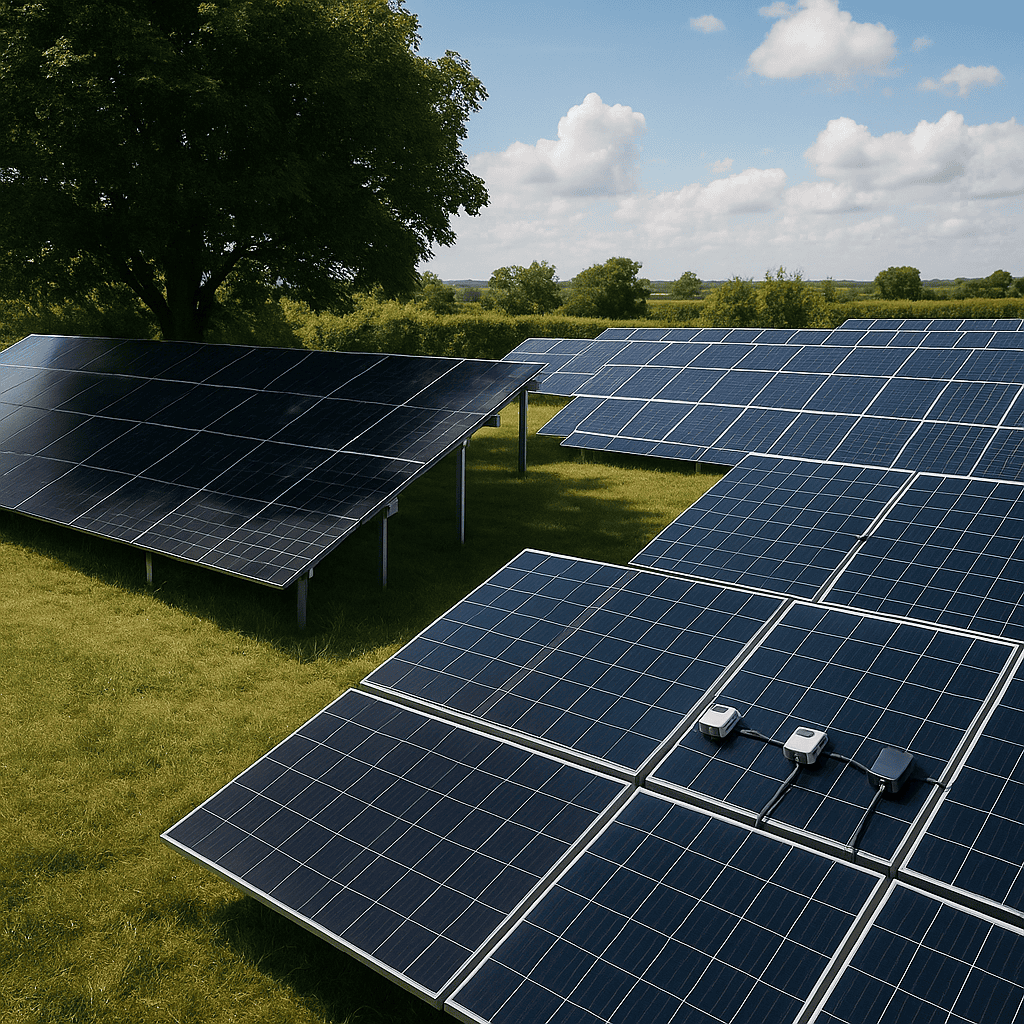
String inverters connect multiple solar panels in series, meaning that shading on one panel can impact the performance of the entire string. This configuration is akin to a chain, where the weakest link limits the overall strength. Consequently, if even a small portion of the array is shaded, it can lead to a substantial decrease in energy production across all connected panels.
In contrast, microinverters are installed on each individual panel, allowing them to operate independently. This means that shading on one panel does not affect the others, allowing the unshaded panels to continue producing at their full capacity. This independence makes microinverters particularly advantageous in environments where partial shading is unavoidable.
Ultimately, the choice between string inverters and microinverters should be informed by the specific shading conditions of your installation site. For areas prone to shading, microinverters can offer a more resilient solution, ensuring optimal energy generation despite environmental challenges.
