
What are the advantages of using microinverters over string inverters for solar energy?
When considering solar energy systems, the choice between microinverters and string inverters is crucial. Microinverters offer distinct advantages that make them an appealing option for many. They are installed at each solar panel, allowing for individual optimisation and improved performance. This can be particularly beneficial in settings where panels may be partially shaded or oriented in different directions.
In contrast, string inverters connect multiple panels in a series, meaning the performance of the entire string can be affected by the weakest panel. By opting for microinverters, you gain greater flexibility and efficiency, ensuring that each panel operates at its maximum potential, thus enhancing the overall energy output of your solar system.
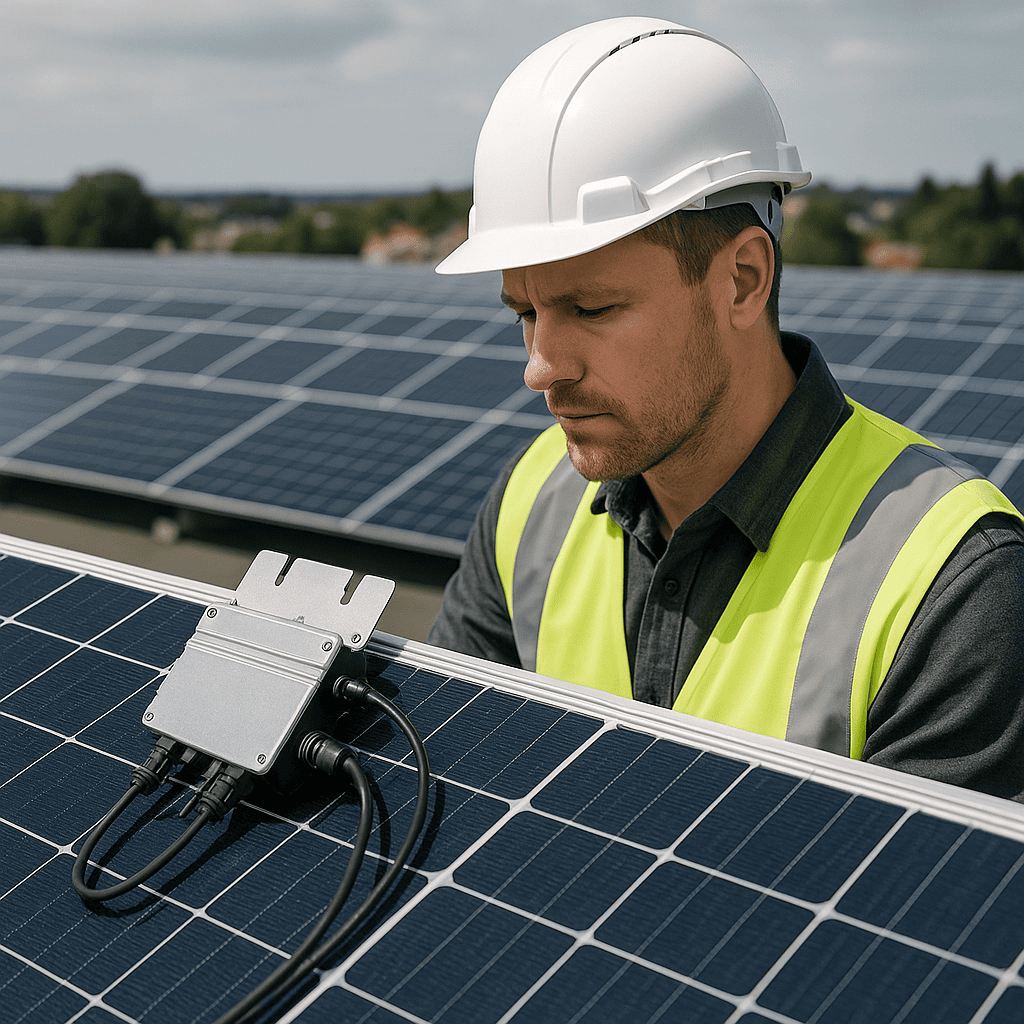
One of the primary benefits of microinverters is their ability to maximise energy harvest. Since each panel operates independently, issues such as shading, debris, or panel mismatch do not impact the entire array. This results in a more reliable and consistent energy production, which is particularly advantageous in environments where conditions can vary greatly across the panel array.
Additionally, microinverters offer enhanced monitoring capabilities. They allow for real-time data collection at the individual panel level, providing detailed insights into the performance of each panel. This level of monitoring facilitates quicker identification and resolution of issues, leading to reduced maintenance costs and improved system longevity.
Finally, microinverters contribute to increased safety. Unlike string inverters, which handle high-voltage DC electricity, microinverters convert DC to AC at the panel level, reducing the risk of electrical hazards. This aspect not only ensures a safer installation but also aligns with evolving electrical standards, making microinverters a forward-thinking choice for solar energy systems.
