What are the benefits of using a solar inverter in residential and commercial solar installations?
Solar inverters play a crucial role in both residential and commercial solar installations. They are responsible for converting the direct current (DC) electricity generated by solar panels into alternating current (AC) electricity, which is the standard form of electricity used by most household appliances and businesses. As the heart of a solar power system, inverters ensure that the energy harnessed from the sun can be effectively utilised within the premises.
The benefits of using solar inverters extend beyond mere energy conversion. They help optimise the efficiency of the solar power system, resulting in reduced energy costs and a smaller carbon footprint. By ensuring that the solar energy is used effectively, inverters contribute significantly to the sustainability and economic viability of solar installations, making them indispensable for anyone considering such an investment.
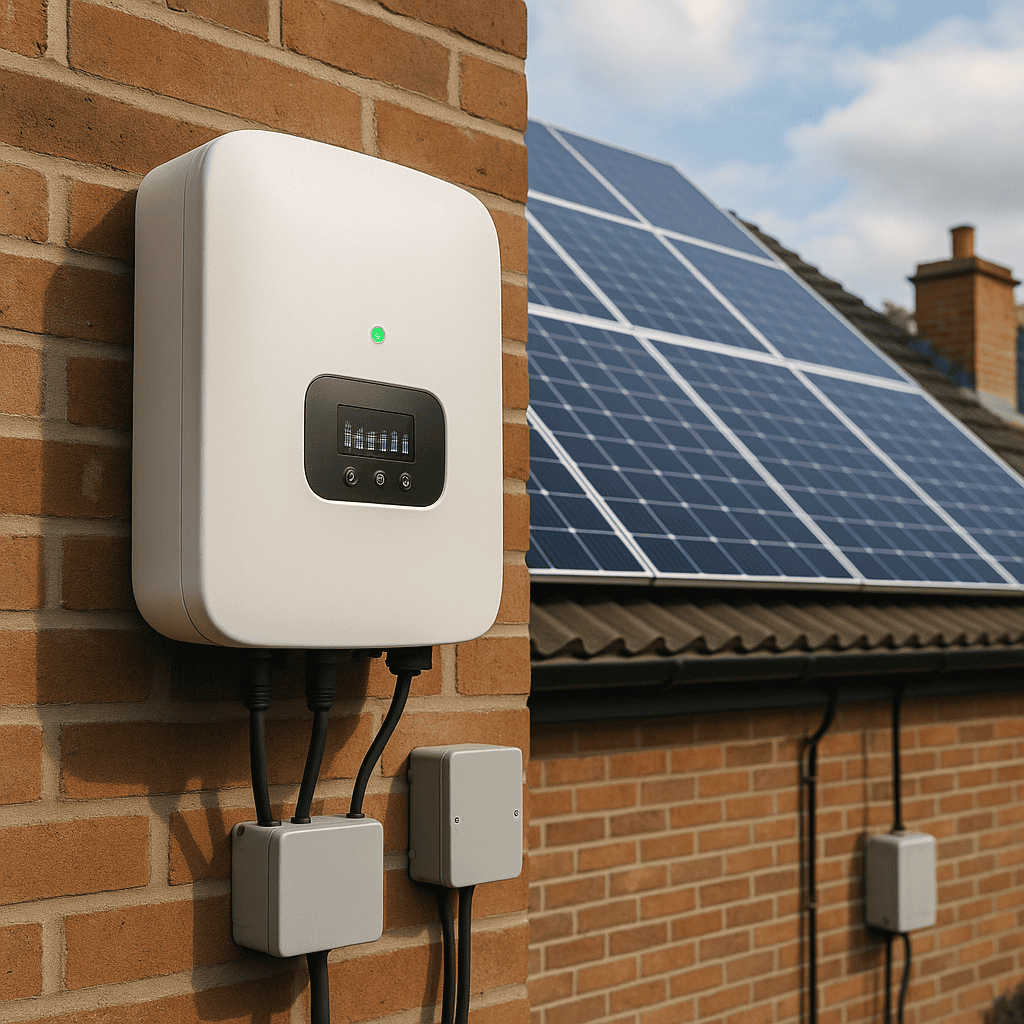
One of the primary benefits of using a solar inverter is its ability to maximise the energy output from solar panels. Modern inverters come equipped with advanced technologies that monitor and adjust the performance of each solar panel, ensuring optimal energy production even under varying weather conditions. This capability allows users to derive the maximum possible benefit from their solar installations, enhancing overall system efficiency.
Furthermore, solar inverters contribute to energy savings by facilitating the integration of solar power with existing electrical systems. They provide real-time data on energy production and consumption, enabling users to manage their energy use more effectively. This transparency helps in identifying patterns and making informed decisions about energy consumption, ultimately leading to cost savings on electricity bills.
Lastly, solar inverters enhance the reliability and longevity of solar installations. By constantly monitoring the system’s performance, inverters can detect issues early and alert users to potential problems. This proactive approach allows for timely maintenance, reducing the likelihood of system failures and ensuring a longer lifespan for the entire solar installation.