
What are the typical solar degradation rates for photovoltaic panels?
Solar degradation rates refer to the gradual decline in performance of photovoltaic panels over time. On average, solar panels experience a degradation rate of approximately 0.5% to 1% per year, meaning their efficiency in converting sunlight into electricity diminishes slightly annually. This rate can vary depending on factors such as panel quality, installation environment, and maintenance practices. Understanding these rates is crucial for anyone considering solar technology, as it directly impacts the long-term efficiency and cost-effectiveness of solar energy systems.
Knowing the typical degradation rates helps in estimating the lifespan and energy output of photovoltaic panels over their operational lifetime. Most modern solar panels are designed to last between 25 to 30 years, with warranties often guaranteeing around 80% of the original output by the end of this period. Therefore, when planning an investment in solar technology, it’s essential to consider both the initial costs and the long-term energy production potential, which is influenced by these degradation rates.
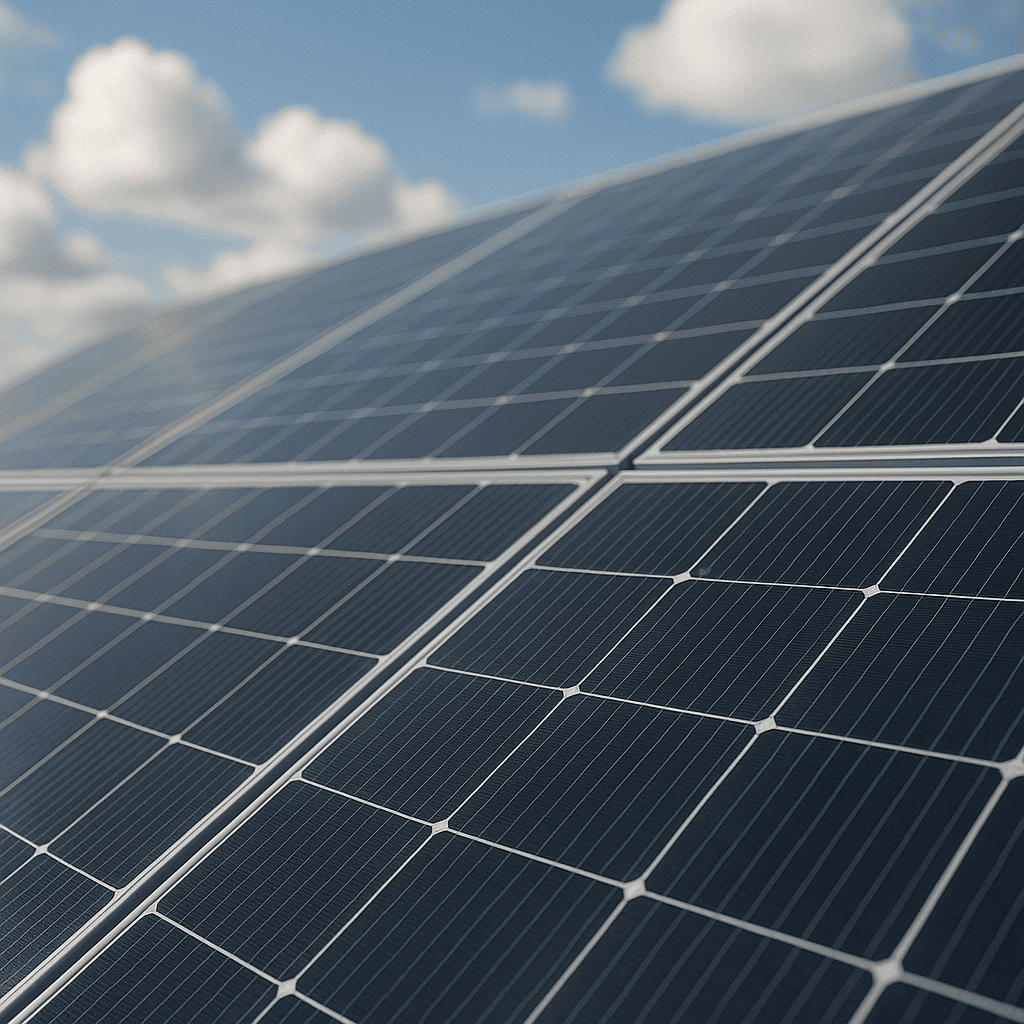
The degradation rate of solar panels is a key metric that influences their long-term reliability and return on investment. Panels with lower degradation rates maintain their efficiency longer, yielding more electricity over their lifespan. This is important for calculating the overall savings and environmental benefits of switching to solar energy. The industry standard degradation rate of 0.5% to 1% per year means that after 25 years, a solar panel should still produce about 75% to 87.5% of its original capacity.
Several factors can affect the degradation rate of solar panels. High-quality manufacturing processes and materials typically result in lower degradation rates, while harsh environmental conditions such as extreme temperatures, humidity, and UV exposure can accelerate the rate of decline. Regular maintenance and cleaning can also help in mitigating these effects, ensuring that panels perform optimally throughout their lifespan.
Understanding solar degradation rates aids consumers in making informed decisions about their solar investments. By selecting panels with lower degradation rates, individuals can maximise their energy output and financial returns over the life of the system. As technology advances, newer models continue to offer improved durability and efficiency, making solar energy an increasingly attractive and sustainable option for meeting energy needs.
