
What is the average lifespan of a solar panel?
Solar panels, an increasingly popular choice for sustainable energy, typically have an average lifespan of 25 to 30 years. This duration reflects the time frame within which they maintain optimal energy production levels. After this period, while they may still function, their efficiency is likely to decrease significantly. Understanding the lifespan of solar panels is essential for anyone considering an investment in solar technology, as it impacts both the long-term energy savings and the overall return on investment.
The longevity of solar panels is influenced by several factors, including the quality of materials used, the manufacturing process, and the environmental conditions to which they are exposed. Regular maintenance and proper installation also play critical roles in ensuring that solar panels achieve their full lifespan potential. By comprehending these aspects, individuals can make informed decisions about solar energy systems and maximise their benefits.
One of the primary factors affecting the lifespan of solar panels is the degradation rate, which refers to the annual decline in energy output. On average, solar panels have a degradation rate of about 0.5% to 1% per year. This means that after 25 years, a solar panel could still produce approximately 75% to 87.5% of its original capacity. The degradation rate can vary depending on the panel’s make and model, underscoring the importance of selecting high-quality panels from reputable manufacturers.
Environmental conditions also significantly impact solar panel longevity. Panels installed in areas with extreme weather conditions, such as heavy snowfall, high winds, or intense heat, may experience faster degradation. However, modern solar panels are designed to withstand a range of environmental stresses, and innovations in technology continue to enhance their durability and resilience.
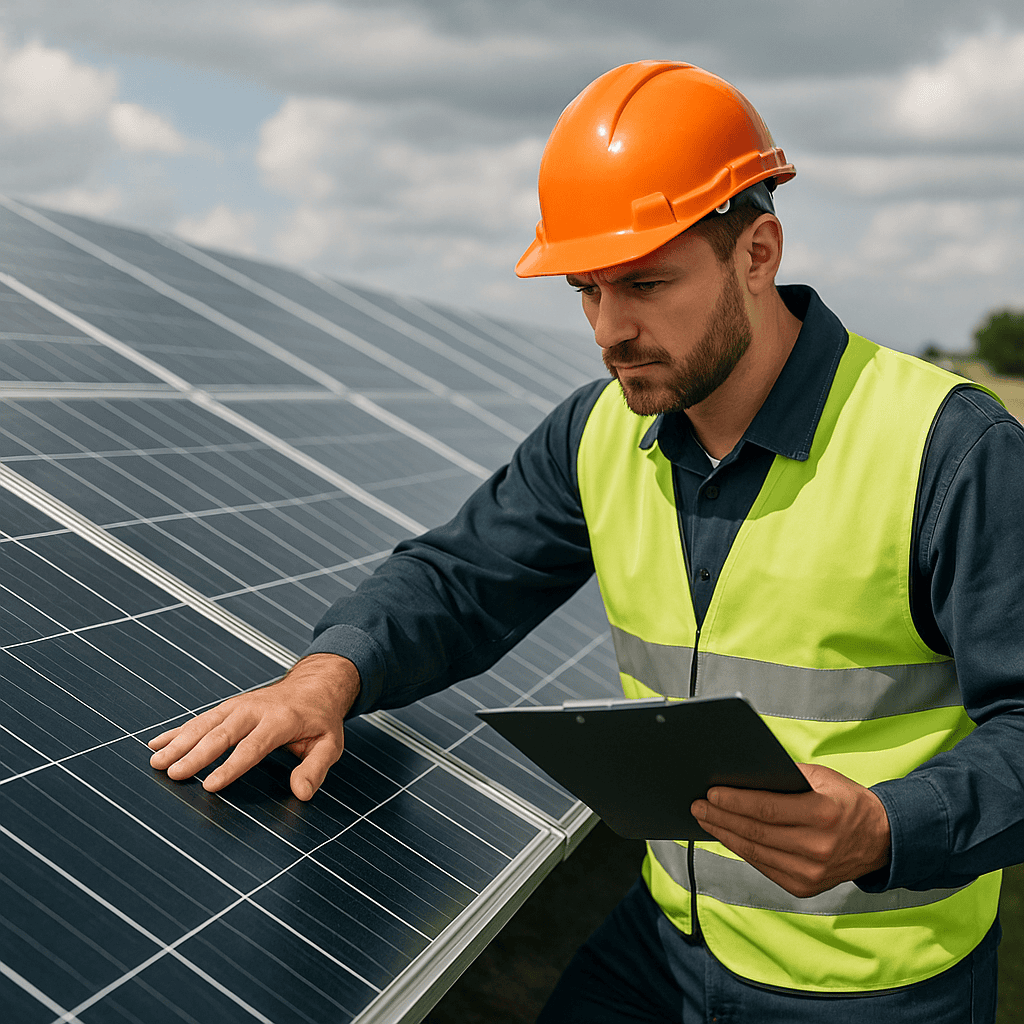
Finally, regular maintenance is crucial in prolonging the life of solar panels. This includes keeping the panels clean and free from debris, ensuring that they are correctly angled to maximise sunlight exposure, and conducting regular inspections to check for any potential issues. By staying proactive in maintenance, users can ensure that their solar panels remain efficient and effective throughout their intended lifespan.