
How can I improve the efficiency of my solar panels?
Improving the efficiency of your solar panels can significantly enhance the performance and longevity of your solar energy system. It is essential to ensure that your investment yields the best possible return by maximising the energy output. By implementing a few simple measures, you can boost your solar panels’ efficiency, potentially reducing your energy costs and contributing to a greener environment.
Understanding the factors that affect solar panel efficiency is crucial. Factors such as shading, orientation, and maintenance play a significant role in how well your solar panels perform. By addressing these elements, you can optimise the energy production of your solar panels, ensuring they operate at their highest potential.
One of the primary considerations for improving solar panel efficiency is their positioning. Ensuring that your panels are installed at the optimal angle and orientation for your location is crucial. In the UK, this typically means facing them towards the south and tilting them at an angle that corresponds to the latitude of your location. This positioning maximises exposure to sunlight throughout the day, increasing energy capture.
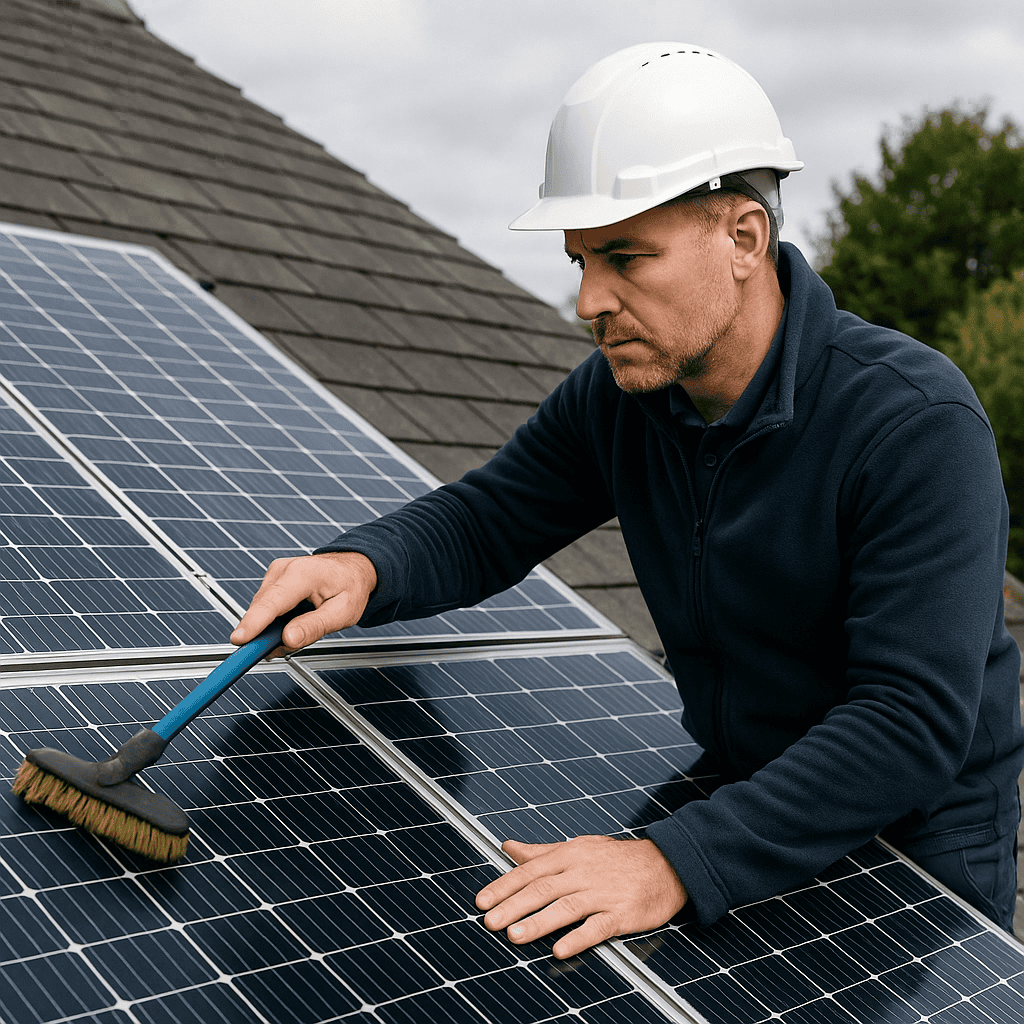
Regular maintenance is another key factor in enhancing solar panel efficiency. Dust, leaves, and other debris can accumulate on the surface of the panels, obstructing sunlight and reducing their effectiveness. Periodically cleaning the panels and ensuring that trees or other structures do not cast shadows on them can help maintain their performance. It is advisable to follow the manufacturer’s guidelines for cleaning to avoid damaging the panels.
Additionally, considering the use of micro-inverters or power optimisers can further improve efficiency. These devices help manage the energy output of each panel individually, ensuring that any drop in performance from one panel does not affect the entire system. This can be particularly beneficial in installations where shading or other issues may impact some panels more than others, enabling a more consistent and reliable energy output.
