
What factors affect solar panel efficiency?
Solar panel efficiency is a crucial factor in determining how effectively solar energy can be harnessed and utilised. Several elements can influence this efficiency, impacting not only the output but also the overall cost-effectiveness of solar power systems. Understanding these factors can help in optimising energy production and making informed decisions about solar installations.
The efficiency of a solar panel is primarily determined by its ability to convert sunlight into usable electricity. While advancements in technology have significantly improved efficiency rates over the years, various external and internal factors continue to affect performance. By identifying and addressing these influences, one can ensure that their solar panels operate at their full potential.
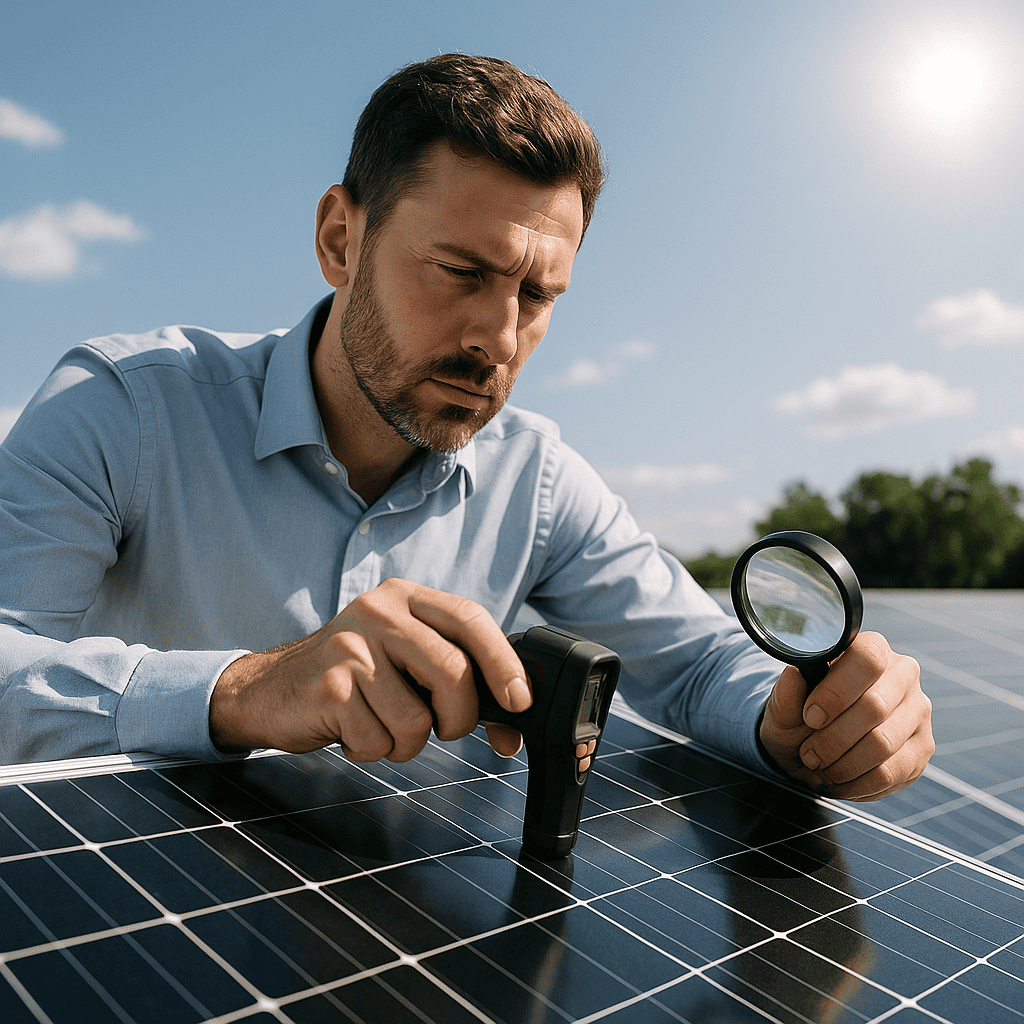
One of the primary factors affecting solar panel efficiency is the quality of materials used. High-quality photovoltaic cells can convert sunlight more effectively, leading to higher efficiency rates. Additionally, the type of semiconductor material, such as monocrystalline or polycrystalline silicon, plays a significant role in determining efficiency levels.
Temperature also has a notable impact on solar panel performance. Solar panels are generally tested at a standard temperature of 25°C; however, real-world conditions can vary significantly. Higher temperatures can decrease the efficiency of solar panels, as heat can increase the resistance in the electrical circuits, reducing the overall power output.
Moreover, the angle and orientation of solar panels can influence their efficiency. Panels that are optimally positioned to capture maximum sunlight throughout the day tend to perform better. Shading from trees, buildings, or other obstructions can also hinder performance, making it essential to ensure that panels have unobstructed exposure to sunlight.