
What are the basic components of a solar panel and how do they work together?
Solar panels, an integral part of renewable energy solutions, consist of several key components that work in harmony to convert sunlight into electricity. Understanding these components and their interactions is essential for appreciating how solar panels contribute to sustainable energy production. This exploration will provide insight into the basic elements of a solar panel and elucidate the process by which they collectively generate power.
The primary components of a solar panel include photovoltaic (PV) cells, a metal frame, glass casing, and wiring. Each of these elements plays a crucial role in the conversion process, ensuring that solar panels operate efficiently and effectively. By examining these components and their functions, we gain a deeper understanding of how solar panels harness the sun’s energy to power homes and businesses.
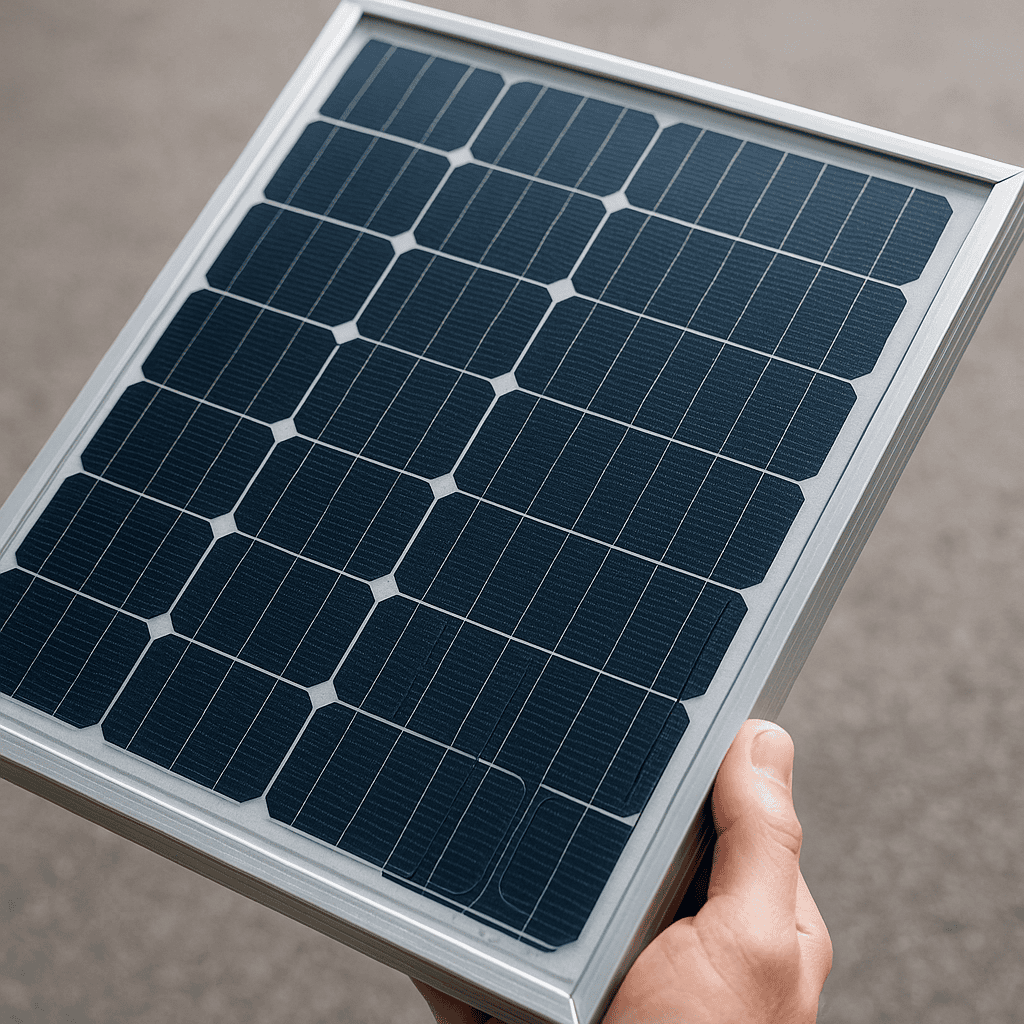
At the heart of a solar panel are the photovoltaic (PV) cells, which are responsible for converting sunlight into electricity. These cells are typically made from silicon, a semiconductor material that generates an electric current when exposed to sunlight. The PV cells are arranged in a grid-like pattern on the panel’s surface, optimising their exposure to sunlight and maximising energy absorption.
The metal frame of a solar panel provides structural support, ensuring durability and stability throughout its lifespan. This frame is designed to withstand various environmental conditions, including wind, rain, and snow. Additionally, the frame aids in mounting the panel securely, allowing it to be positioned at the optimal angle for sunlight exposure.
Complementing the PV cells and metal frame is the glass casing, which protects the cells from external elements while allowing sunlight to pass through. Beneath the glass, the wiring system facilitates the flow of electricity generated by the PV cells, channelling it into an inverter that converts the direct current (DC) into alternating current (AC) for use in homes and businesses. Together, these components form a cohesive system that efficiently captures and converts solar energy into usable electricity.
