
What are the common challenges faced during inspections and testing of photovoltaic systems?
Inspections and testing of photovoltaic (PV) systems are crucial processes that ensure the efficiency and safety of solar installations. However, these activities often present a range of challenges that can impede their effectiveness. Understanding these challenges is essential for anyone involved in the maintenance and optimisation of solar energy systems. From navigating complex installations to dealing with environmental factors, the obstacles can be varied and multifaceted.
Addressing these challenges requires a comprehensive approach that combines technical expertise with practical solutions. By recognising common issues such as equipment failures, improper installation, and inadequate documentation, stakeholders can take proactive measures to enhance the reliability and performance of their PV systems. This not only ensures compliance with industry standards but also maximises the return on investment.
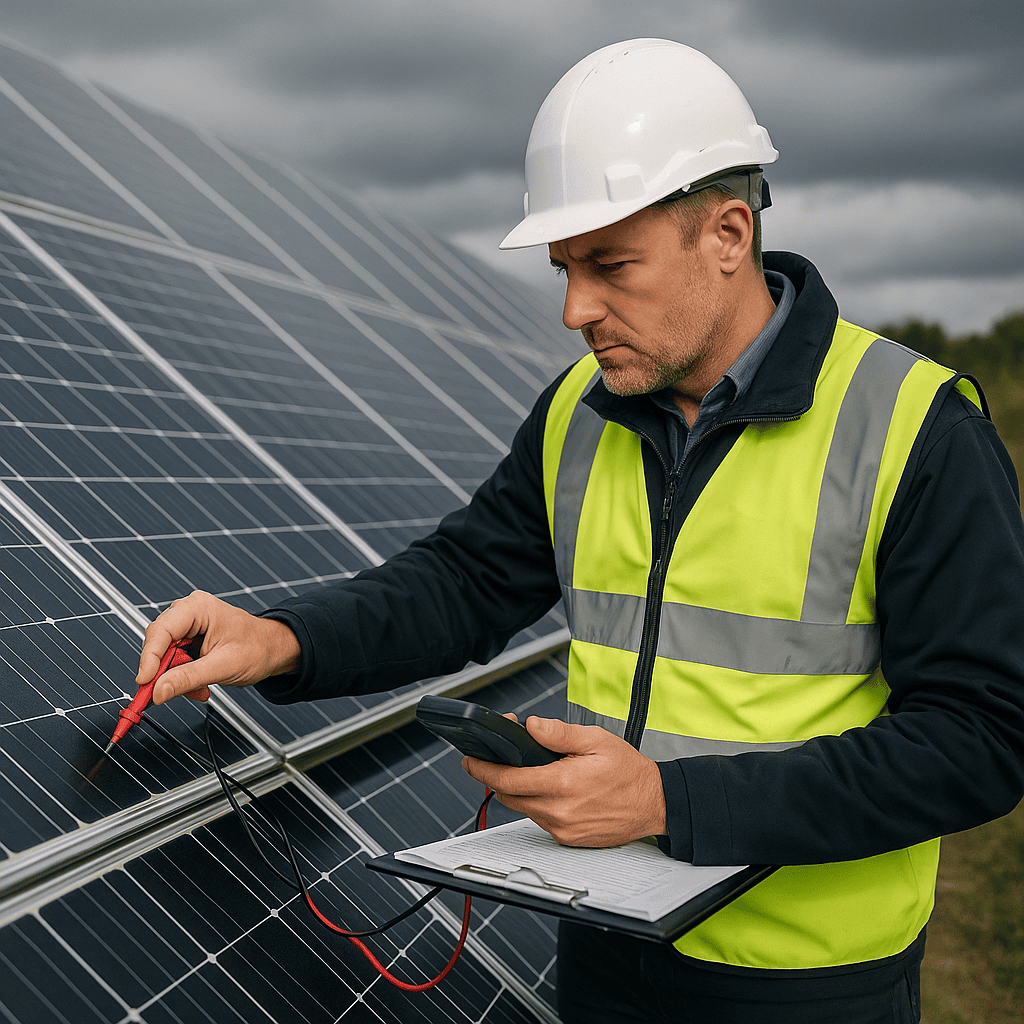
One of the primary challenges faced during PV system inspections is the complexity of the installations. PV systems can vary significantly in size and configuration, making it difficult to establish a uniform inspection protocol. Inspectors must be well-versed in the specific design and components of each system to accurately assess their condition and performance.
Environmental conditions also pose significant challenges during inspections and testing. Factors such as weather, dust, and shading can all impact the performance of a PV system, leading to potential misdiagnosis of issues. Inspectors must account for these variables and adjust their assessments accordingly to ensure accurate results.
Furthermore, the lack of comprehensive documentation is a common challenge. Incomplete or inaccurate records can hinder the inspection process, making it difficult to verify system specifications and previous maintenance activities. Ensuring that thorough and up-to-date documentation is maintained helps facilitate more efficient and effective inspections, ultimately leading to better system performance and longevity.