
How do I troubleshoot faults in a 3 phase inverter?
Three-phase inverters are crucial components in many electrical systems, converting DC power into AC power to drive motors and other equipment. However, like any complex device, they can occasionally develop faults. Understanding how to troubleshoot these inverters is essential for maintaining system efficiency and preventing downtime. This guide will walk you through the process of identifying and resolving common issues.
Whether you’re dealing with unexpected shutdowns or irregular output, the key to effective troubleshooting lies in a systematic approach. By methodically examining potential problem areas, such as input and output connections, cooling systems, and control circuits, you can pinpoint the source of the fault and take corrective action.
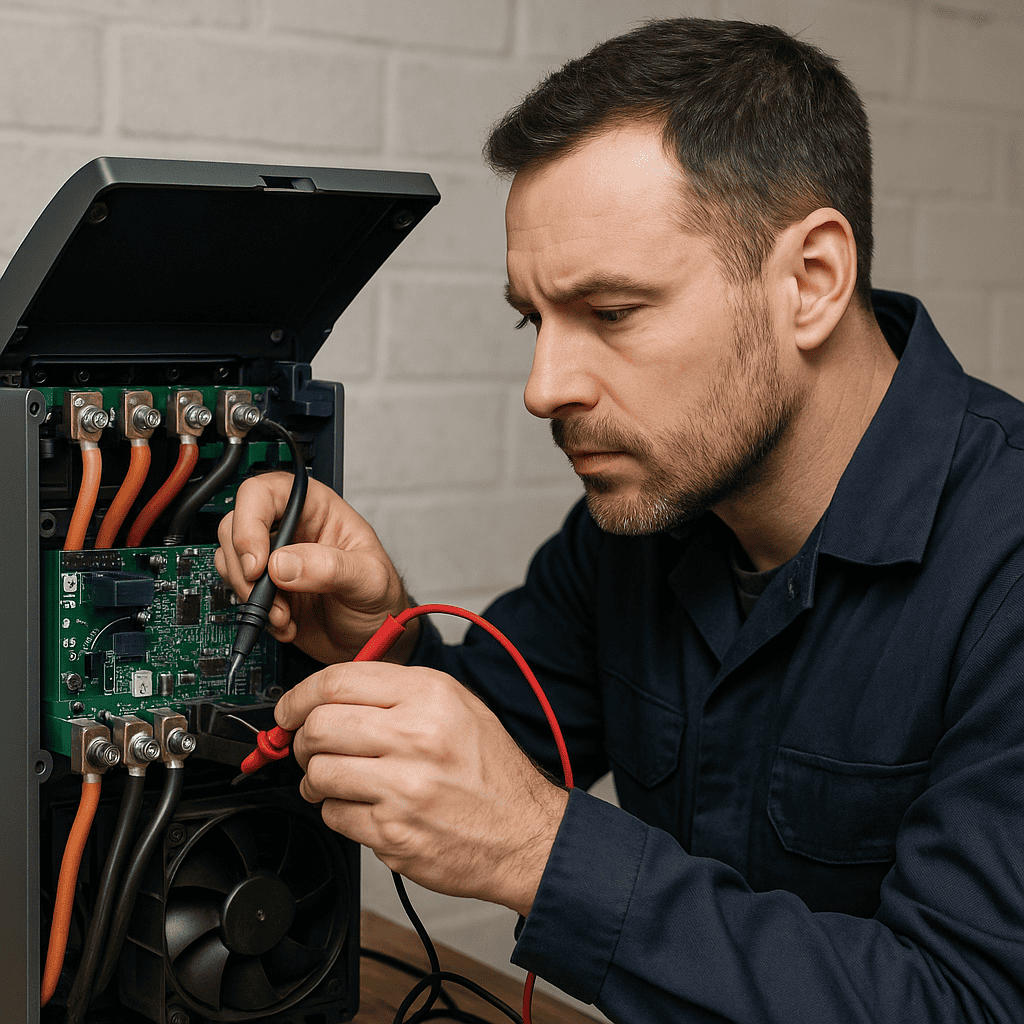
Begin by checking the input and output connections to ensure they are secure and free from corrosion or damage. Loose or faulty connections can lead to voltage drops, resulting in inverter malfunction. Inspect the cables and connectors for signs of wear and replace any damaged components to restore proper functionality.
Next, examine the cooling system, as overheating is a common cause of inverter failure. Ensure that the cooling fans and vents are clean and unobstructed, allowing for adequate airflow. If necessary, clean the fans and replace any that are not operating correctly to prevent overheating and subsequent component damage.
Finally, investigate the control circuits for any signs of failure. This may involve checking the circuit boards for burnt components or testing the electronic controls with a multimeter. If a fault is detected, you may need to replace the affected parts or consult with a professional technician for more complex repairs. By following these steps, you can effectively troubleshoot and resolve faults in a three-phase inverter.