
How often should routine maintenance be performed on a PV system?
Routine maintenance is crucial for ensuring that your photovoltaic (PV) system operates efficiently and reliably over its lifespan. Generally, it is recommended that PV systems undergo routine maintenance every six months to one year. This regular schedule helps in identifying potential issues early and maintaining optimal energy production. By adhering to a consistent maintenance routine, you can extend the life of your system and maximise its performance, ensuring that you get the most out of your investment.
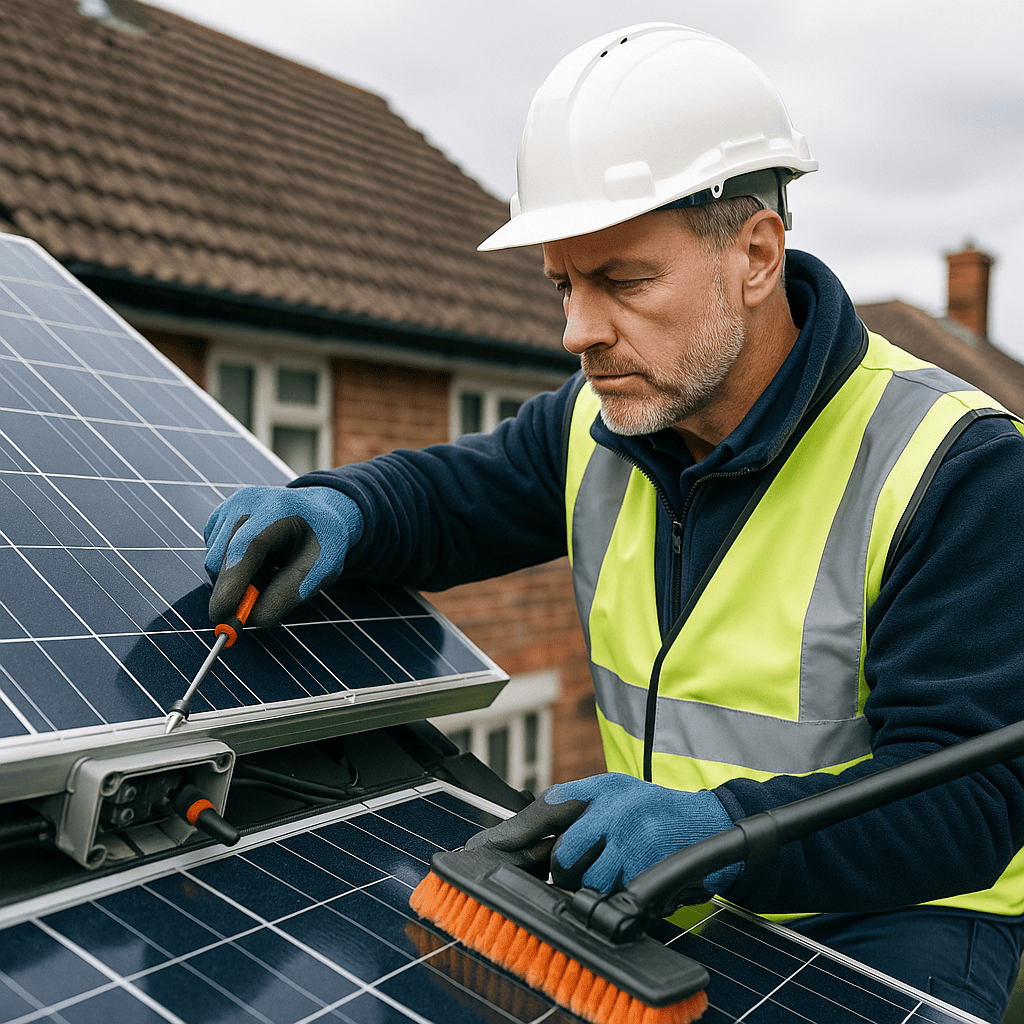
The frequency of maintenance can depend on several factors, including the environment in which the PV system is installed and the specific components used. For instance, systems located in areas prone to dust, pollen, or bird droppings may require more frequent cleaning to maintain efficiency. In contrast, those in cleaner, less challenging environments might be able to extend the interval between maintenance checks.
Routine maintenance typically includes visual inspections of the panels, wiring, and mounting structures to identify any signs of wear or damage. It is also vital to check electrical connections for tightness and inspect inverter performance, as this component is crucial for converting the energy generated into usable electricity. Additionally, cleaning the panels to remove dirt and debris can significantly enhance energy absorption and system efficiency.
By following a regular maintenance schedule, you not only ensure the longevity and efficiency of your PV system but also maintain its safety and reliability. Engaging a professional to conduct these checks can provide peace of mind, as they have the expertise to spot potential issues and perform necessary repairs or adjustments. This proactive approach to maintenance can prevent costly repairs in the future and ensure that your system continues to operate at peak performance.