
How does MC4 connector testing contribute to the overall safety of solar installations?
MC4 connector testing plays a crucial role in ensuring the safety and reliability of solar installations. These connectors, known for their efficiency and durability, are fundamental components in photovoltaic systems, facilitating the seamless transfer of electricity. By conducting thorough testing, potential issues such as poor connections, overheating, or even electrical faults can be identified and rectified before they pose significant risks.
Incorporating regular MC4 connector testing into your solar maintenance routine not only safeguards the installation but also enhances its performance and longevity. By ensuring that all connections are secure and functioning optimally, testing contributes significantly to the overall safety of the system, protecting both the equipment and those who operate it.
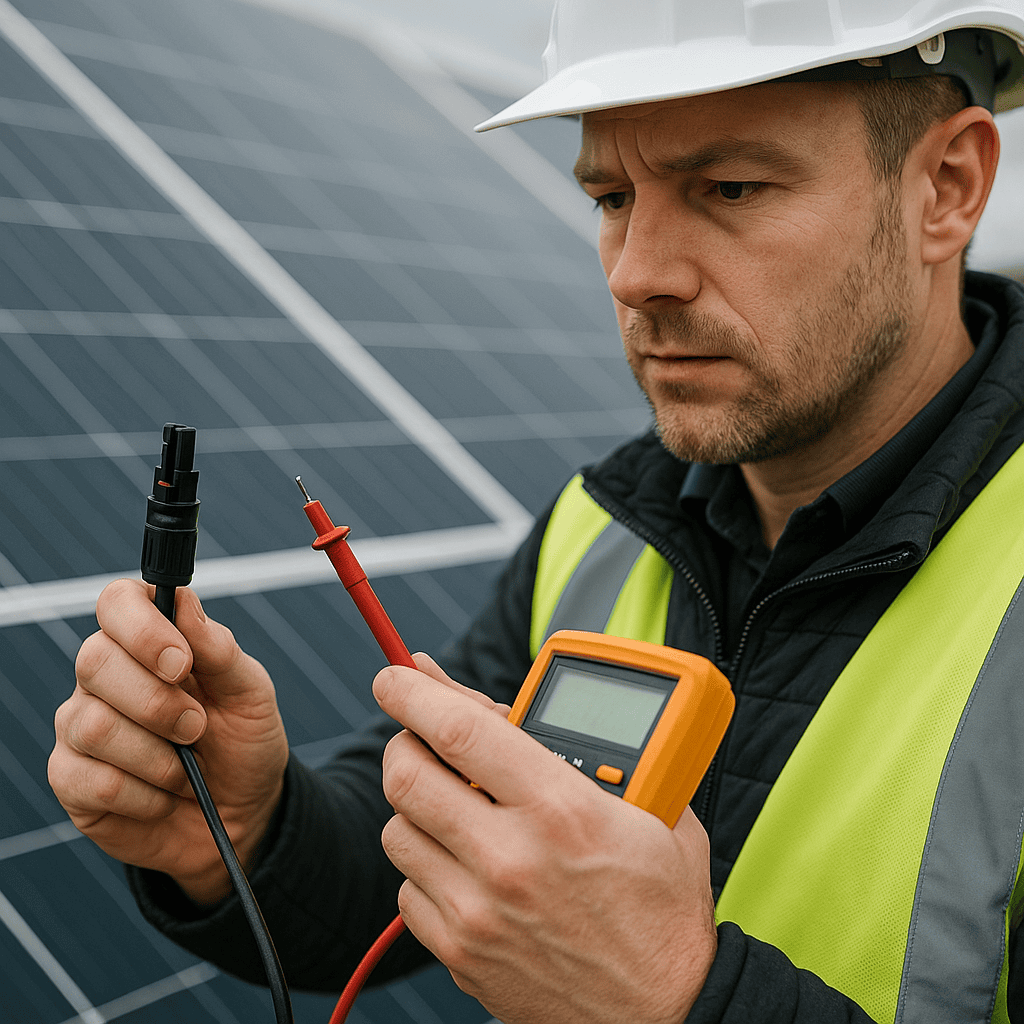
The primary aim of MC4 connector testing is to verify the integrity of electrical connections within a solar installation. By assessing aspects such as resistance, insulation, and contact quality, testing helps to ensure that the connectors are performing as expected. This proactive approach prevents potential hazards such as electrical arcing, which could lead to fires or system failures.
Furthermore, testing serves as a preventive measure by identifying issues that may not be immediately visible. Over time, environmental factors like humidity, temperature fluctuations, and UV exposure can degrade connector performance. Regular testing allows for early detection of wear and tear, enabling timely maintenance and replacement, thereby averting costly repairs and downtime.
Finally, MC4 connector testing not only ensures compliance with safety standards but also instils confidence in the reliability of the solar installation. By prioritising safety through rigorous testing, stakeholders can be assured of the system’s efficiency and security, ultimately contributing to sustainable energy solutions.